By BK, Athletic Hitting Development
Complete Hitters Are Built… It’s Earned!
Key takeaways
- A rise ball is released low with heavy backspin, so it drops less than the hitter expects and can climb through the zone.
- The main rule: if it starts at or above your hands, let it go.
- Set your eyes and hands at the top of the zone so everything above that line looks like a ball.
- Rise ball hitting is a Hitting Processor skill, and it has to be trained daily, not just talked about in the dugout.
To hit a rise ball, mostly you DON’T swing at it. Set your eyes at the top of the strike zone, lay off anything that starts at or above your hands, and attack the rise ball that stays down in the zone.
Every season I watch good softball hitters strike out on the same pitch three times in a row. They don’t have a swing problem. They have a decision problem.
The good news: decisions can be trained. Here’s what a rise ball really does, why it fools hitters, and how we train hitters at AHD to make the pitcher come down to them.
1. What is a rise ball, and why does it fool hitters?
A fastpitch pitcher releases the ball low, down around the hip, which is below the strike zone. From that release point, a rise ball can genuinely travel upward through the zone.
It’s thrown with a lot of backspin. That backspin makes it drop less than the hitter’s brain expects. Her eyes predict where the ball should be, she swings there, and the ball finishes above her barrel.
Now add speed and distance. Most high school and college pitchers throw from 43 feet. A 70 mph pitch from there gives a hitter roughly the reaction time of a mid-90s baseball fastball. There is no time to figure it out late.
The rise ball doesn’t beat your swing. It beats your decision.
That’s why the fix starts with the eyes and the plan, not with a new swing.
2. What’s the #1 rule for hitting a rise ball?
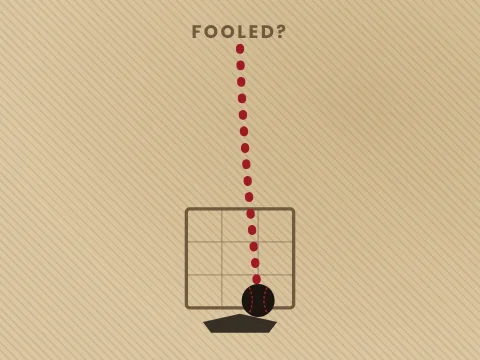
If it starts at or above your hands, let it go. A rise ball that starts at your hands will finish higher. That pitch is a ball almost every time, and it’s nearly impossible to hit hard.
The second half of the rule: set your eyes and hands at the TOP of the zone. When your “eye line” sits at the top of the strike zone, anything that starts above it looks wrong right away. You stop chasing because the pitch never enters your picture of a strike.
- Eyes level, chin steady. Pick the top of the zone as your window before the pitch.
- Hands set where the top of the zone is. Many hitters already do this; the key is trusting it as a line.
- Hunt the rise that stays in the zone. A rise ball that doesn’t rise enough is a hittable pitch, often belt high.
- Make her come down. If you won’t chase, the pitcher has to throw something lower and slower.
THE RISE BALL RULE
SET IT HIGH.LET IT GO.
- Eyes at the top of the zone
- At or above the hands? Take
- Hunt the rise that stays down
- Make her come down to you
THE DECISION BEATS THE PITCH
3. How do you read a rise ball early?
Good hitters don’t react to the rise ball late. They read clues early and decide early. That is the Hitting Processor at work: see it, time it, decide, attack it.
- See the release.Get your eyes on the pitcher’s release zone before her arm comes through, not on her face or glove.
- Notice the hand and wrist.Many pitchers show the rise ball with a slightly different hand position or wrist action at release; learn your pitcher’s tell in the first at-bat.
- Track the first few feet.A rise ball often comes out on a flatter or upward line; a drop comes out on a downward line.
- Decide by the window.If it’s headed at or above your hands, the decision is already made: take.
Every pitcher is a little different, so I teach hitters to treat the first at-bat as a scouting report. Watch where her rise ball starts and where it finishes. Talk to teammates in the dugout. Then adjust your window.
For more on training this, read Pitch Recognition & Hitting Off-Speed and Train the Eyes Without Swinging.
4. What should a hitter do with two strikes against a rise ball pitcher?
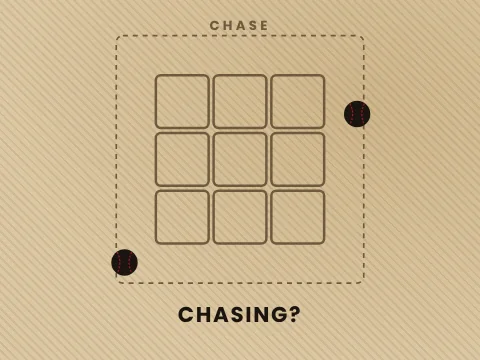
With two strikes, pitchers love the rise ball because hitters panic and expand up. Your plan has to hold even under pressure.
- Keep the top line. Two strikes widens the zone side to side and a little down. It does NOT widen it up.
- Shorten, don’t lunge. Choke up a little if you like, stay on time, and let the ball travel.
- Stay on top of the ball. If you do go after a high strike, the barrel works on top of it, not under it.
- Breathe and reset. One deep breath before you step in keeps your eyes calm and your rule clear.
The rise ball at the letters with two strikes is the pitcher’s best friend. Taking it is a WIN, even when it feels scary. That’s Mental Approach, the fourth pillar, working with the Hitting Processor.
5. What drills help a hitter beat the rise ball?
Don’t collect drills. Pick a few that train the actual problem, then do them often. These four cover it.
- High tee at the top of the zone.Set the tee at the top of the strike zone and hit 10–15 balls hard and level; the hitter learns where her top line is and how to stay on top of the ball.
- Front toss up-zone recognition.Coach tosses a mix of balls at the top of the zone and just above it from a short distance behind a screen; the hitter swings only at strikes and takes the rest.
- Call-it-out recognition reps.Hitter stands in with no swing and calls “UP” or “YES” out loud before the ball crosses the plate; 20 reps a day trains the decision without the swing getting in the way.
- Two-strike rounds.Every round of front toss or live work ends with a two-strike at-bat where a chase above the hands counts as a strikeout.
If you can get live pitching, have the pitcher throw rise balls while the hitter only tracks and calls them. Recognition reps against the real spin are worth gold. AHD hitters build Mechanically Advantaged Angles (MAA) in their swing, but angles don’t help if the bat is chasing a pitch above the hands.

THELESSON.
- Read the release early
- Decide by your window
- Two strikes: keep the top line
- Train recognition daily
Complete Hitters Are Built…Earned.
6. What’s the right approach against a rise ball pitcher?
Here’s the approach I give fastpitch hitters, in plain words:
- Hunt a pitch you can drive, usually the one that stays in the middle or lower half of the zone.
- Own the top line. Nothing above your hands gets a swing.
- Scout her first time through. Where does it start? Where does it finish?
- Win the count. A pitcher who can’t get the chase has to come into the zone.
If your hitter keeps chasing and you don’t know if it’s her eyes, her timing, or her swing, run the free SwingChecker. In about 3 minutes it ranks her top priority across the 4 Pillars. For one-on-one help built for softball, see our Online Fastpitch Softball Lessons. To train recognition every day, start the Hitting Processor course.
Want to go deeper? Read Pitch Recognition & Hitting Off-Speed and Baseball vs. Fastpitch Softball Hitting.
Quick answers
Does a softball rise ball really rise?
Because softball pitchers release the ball low, below the strike zone, a rise ball can genuinely travel upward through the zone. Its heavy backspin also makes it drop less than hitters expect, which is why it looks like it jumps.
Should you swing at a rise ball?
Swing at the rise ball that stays in the zone, often belt high. Lay off the one that starts at or above your hands, because it will finish higher and is very hard to hit.
Where should I stand in the box against a rise ball pitcher?
Box position is a coaching option, not a rule, and it depends on the pitcher. The bigger fix is setting your eyes at the top of the zone and refusing to chase above your hands.
How can my daughter practice hitting a rise ball at home?
Use a high tee at the top of the zone and do call-it-out recognition reps where she says UP or YES before the ball arrives. Short daily reps train the decision better than one long session.
Don’t collect drills. Build a complete hitter.
Complete Hitters Are Built… It’s Earned!
This article is part of the AHD guide Pitch Recognition & Timing. Start there for the full picture and every related article.