By Athletic Hitting Development
Complete Hitters Are Built… It’s Earned!
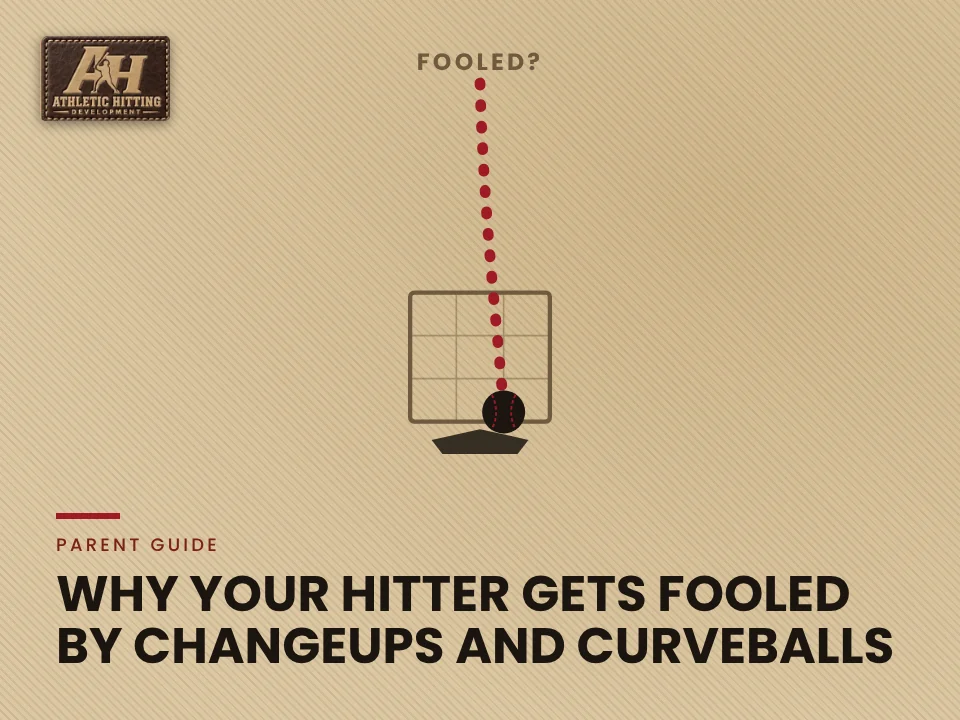
Your hitter rips the fastball in batting practice. Then the first changeup of the game shows up and they’re out in front, lunging, with the bat flying out of their hands.
Off-speed beats hitters by changing when the ball arrives, so getting fooled is either a seeing problem or a body problem. Be on time for the fastball first, recognize the pitch early and keep an athletic position that lets the body wait.
Train it: Off-Speed / Spin Masterclass →That moment isn’t a talent problem. Off-speed beats hitters for two reasons, and both can be measured and trained.
Same hitter. Same structure. Different arrival time.
1. Off-speed changes when the ball arrives
A changeup or curveball doesn’t need a different swing. It wins by changing when the ball gets there. Hitters who think “new pitch, new swing” make emergency changes mid-swing and end up losing both pitches.
So when a hitter gets fooled, it’s one of two problems: a seeing problem (they didn’t recognize the pitch early enough) or a body problem (they recognized it, but the slower pitch pulled them out of their athletic position).
2. The 10-pitch Fooled Test
This is the test that opens the AHD Off-Speed course, and it separates the two problems.
The Fooled Test
Set up: A partner mixes firm and slow front toss, 10 pitches, without telling the hitter which is coming.
The rep: The hitter calls “firm” or “soft” out loud before the ball is halfway, then swings.
Score: Early correct calls out of 10. Then count “fooled” swings, where the hitter lunged, stood up or lost balance.
- Low correct calls: a seeing problem. Train recognition.
- Good calls but lots of fooled swings: a body problem. Train the athletic position.
THE FOOLED TEST
SAME SWING.LATER BALL.
- Call it by halfway
- Fastball clock first
- Athletic gather
- Wait, don’t lunge
DON’T SIT ON SPIN.
3. Stop looking for the breaking ball
The most common advice for a hitter who can’t hit a curveball is “sit on it.” That’s how they get beat by the fastball and the curveball. You can’t adjust to a slower pitch without a fastball timing reference. Be on time for the heater first; off-speed is a controlled adjustment from that home base.
On time for heat. Delay the decision. Don’t drift.
A simple way to train it: 15 front tosses at one firm speed to set the clock, then 10 slower tosses without changing the setup. Count how many slow tosses the hitter stayed behind without losing posture.
4. Athletic position buys time
Waiting is a skill. An athletic setup and a controlled gather keep the body organized, so when the pitch slows down, the hitter can wait without standing up, lunging or collapsing. Poor body control turns extra pitch time into extra movement. Control turns it into time to adjust.
Drill: the pause-at-gather. The hitter holds the gathered position for one count, then swings. Three sets of six, then retake the Fooled Test. Fewer fooled swings on the same 10 pitches is the win. Cue: “Nose centered. Knees athletic. Control the center.”
5. How to practice it
- Mix speeds in every front-toss round instead of throwing the same speed every time.
- Have your hitter call “firm” or “soft” out loud on every pitch, even when they don’t swing.
- Use game video: pause right after release and have them call the pitch.
- Score it and write it down. A number that climbs week to week is proof it’s working.
For a pitch-by-pitch method on curveballs, read how to hit a curveball. To train recognition every day, use the 5-Minute Daily Hitting Processor Plan.
6. Go deeper: the Off-Speed Program
Sixty lessons on hitting changeups, curveballs and sliders: recognition, shape, adjustment, timing windows, decisions and two-strike plans — with a test every ten lessons against your Fooled Test score.
The first three lessons are free. Start with Lesson 1: The Fooled Test — it takes about ten minutes and gives you a score to retest against.
See the full Off-Speed Program →
THELESSON.
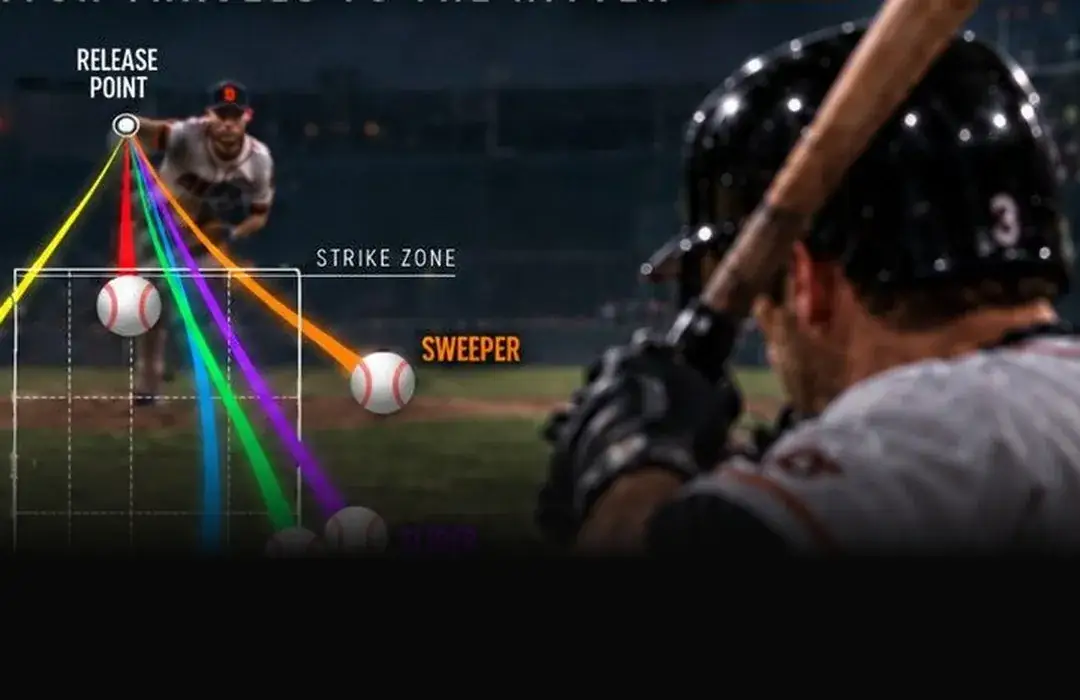
- On time for heat.
- Delay the decision.
- Don’t drift.
- Retake the test.
Complete Hitters Are Built…Earned.
Quick answers
Why can’t my kid hit a curveball or changeup?
Off-speed pitches beat hitters by changing when the ball arrives. Either the hitter doesn’t recognize the pitch early enough, or they recognize it but the slower pitch pulls them out of their athletic position. A simple 10-pitch test shows which.
Should my hitter look for the curveball?
Usually not. Hitters who sit on the breaking ball lose their fastball timing and still get fooled. Be on time for the fastball first, then make a controlled adjustment to slower pitches.
How do you practice hitting off-speed pitches?
Mix firm and slow pitches in every round without telling the hitter which is coming, have them call the pitch out loud before it is halfway, and train an athletic gather that lets the body wait without lunging.
Is hitting a changeup different in softball?
The principle is the same: the changeup wins by changing arrival time. Softball hitters have less reaction time, so early recognition and a body that can wait matter even more.
Why does my hitter lunge at changeups?
Usually the slower pitch pulls the body out of its athletic position. An athletic setup and controlled gather let the hitter wait without standing up or lunging. Try the pause-at-gather drill, then retake the Fooled Test.
From the 2015 archive: The Bump: The Middle of the Weight Shift.
This article is part of the AHD guide Pitch Recognition & Timing. Start there for the full picture and every related article.