11 Pitches, One Swing
Jake Bauers battled Blake Snell for 11 pitches in NLCS Game 3, then homered. What a long at-bat teaches every hitter, and how to train it.
READ ARTICLE →

AHD’s free baseball and softball hitting instruction, player-development analysis, MLB examples and practical coaching ideas for hitters, parents and coaches.
START WITH A COMPLETE GUIDE
Jake Bauers battled Blake Snell for 11 pitches in NLCS Game 3, then homered. What a long at-bat teaches every hitter, and how to train it.
READ ARTICLE →
The Brewers hit the fewest homers in baseball and still made October. The two-strike grind behind it, and the AHD challenge to train it.
READ ARTICLE →
How great hitters adjust late to inside and away pitches without giving away force.
READ ARTICLE →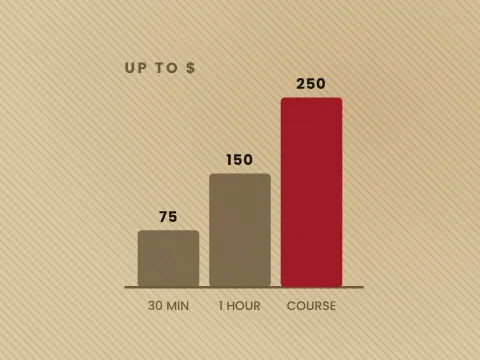
Real 2026 numbers, what you’re actually paying for, and the hidden costs nobody puts on the price sheet.
READ ARTICLE →
Yes for some hitters, no for others. Here’s how to tell which one your kid is — before you spend a dollar.
READ ARTICLE →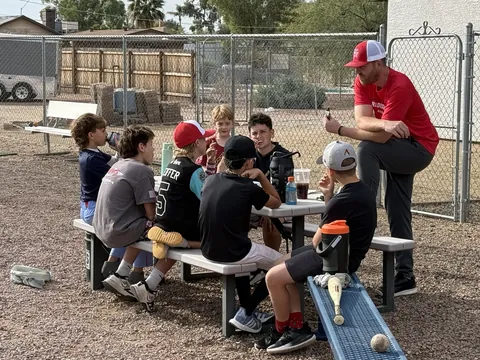
Most kids are ready for real hitting lessons around 8 to 10. Before that, the best coach is a wiffle ball and a backyard.
READ ARTICLE →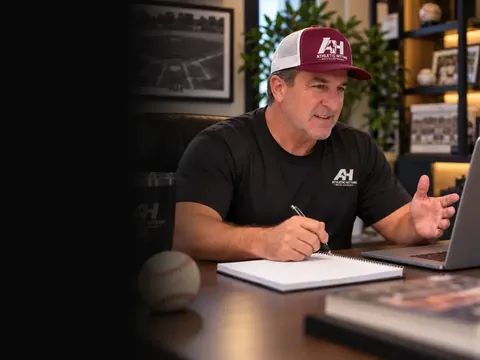
In-person wins on feel. Online wins on access and consistency. Most hitters get the most from a plan that uses both.
READ ARTICLE →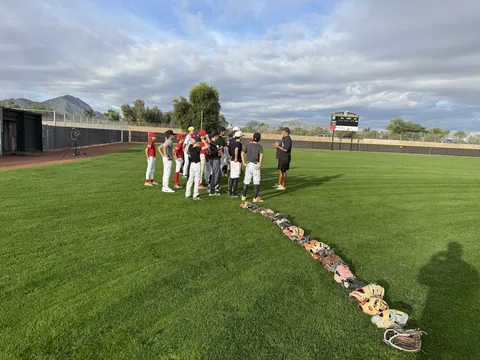
A good first month isn’t a new swing. It’s a baseline, a few fundamentals, one priority, a home routine — and proof it’s working.
READ ARTICLE →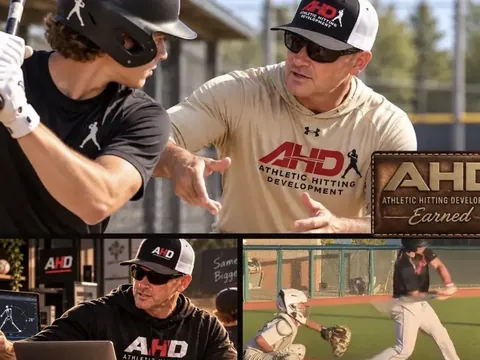
Scottsdale has plenty of cages and coaches. Five questions will tell you which one has a plan for your hitter.
READ ARTICLE →
Shohei Ohtani’s postseason data shows why a fast barrel can still arrive late—and what to check before changing a hitter’s path.
READ ARTICLE →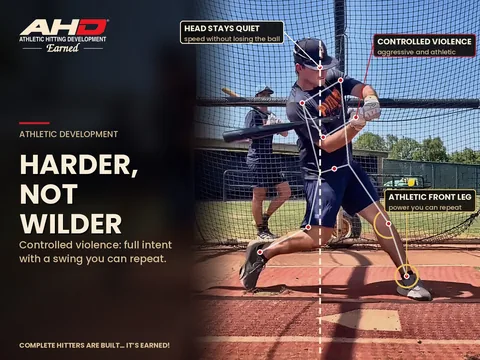
Zack Gelof added bat speed and contact while swinging less. Build power and decisions together.
READ ARTICLE →
Dax Kilby’s Fall League swing change shows why an adjustment has to solve a baseball problem, not chase a look.
READ ARTICLE →
Chourio’s walk-off began with a disciplined take. The Hitting Processor makes better swings possible.
READ ARTICLE →
Ramírez homered off 99.9 mph. Fastball readiness is a skill: early enough to attack, calm enough to adjust.
READ ARTICLE →
Pat Murphy, complete hitters and a reminder that there’s more than one way to win.
READ ARTICLE →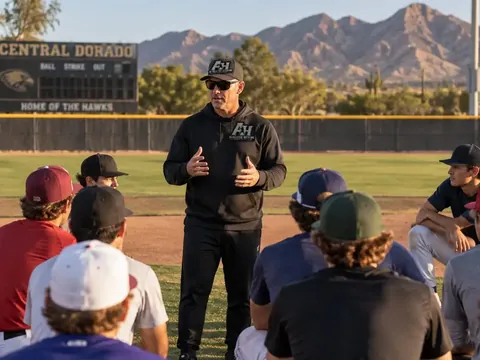
One gets you on the field. The other teaches you how to make a hitter better. High school coaches need to know which is which.
READ ARTICLE →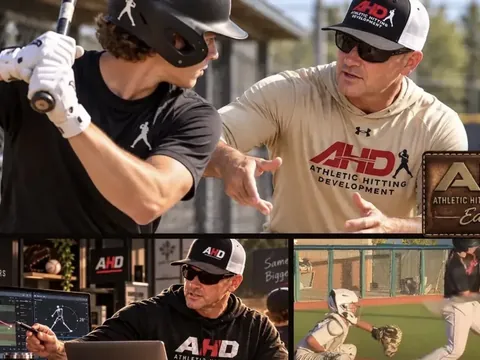
Playing the game gets you in the door. Getting hitters better, and proving it, is what keeps parents coming back.
READ ARTICLE →
Not every coaching certification is trying to do the same job. Compare them by what they actually teach and prove, and the right one gets obvious.
READ ARTICLE →
Your team credential and your hitting education are two different things. Here’s what fastpitch coaches need from each, and where to get both online.
READ ARTICLE →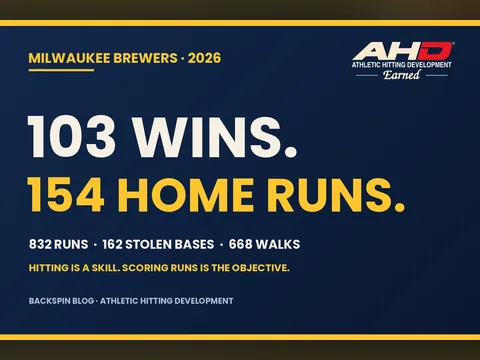
Line Drives. Stolen Bases. Smart Bunting. Baseball IQ. And a Relentless Commitment to Scoring Runs.
READ ARTICLE →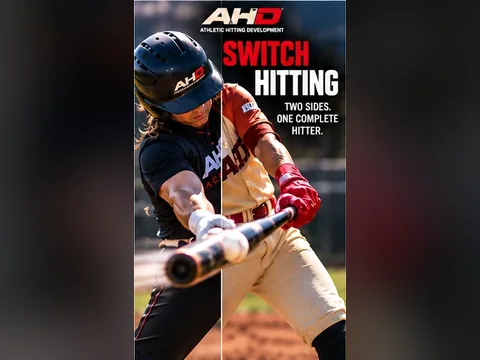
Switch hitting can be a real weapon. It can also stall a hitter for years. Here's how to tell which one it will be for yours.
READ ARTICLE →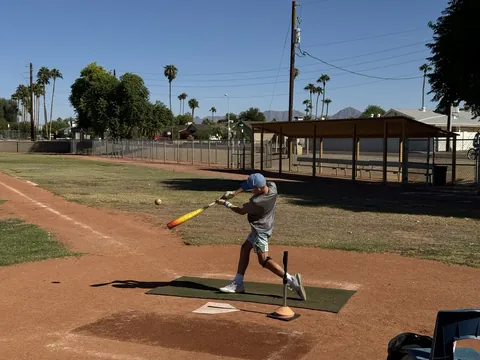
Pitchers come inside to jam you. Hitters who turn on it get the pitch they can drive the hardest.
READ ARTICLE →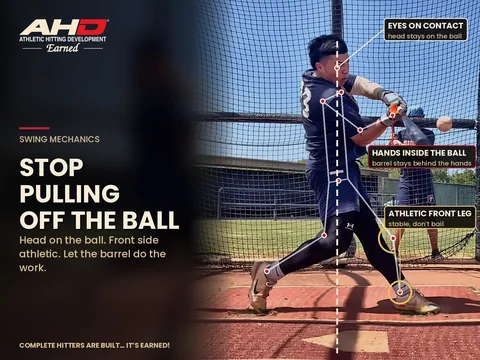
Pulling off is a symptom. Find out why the front side opens early, and the swing stays on the ball longer.
READ ARTICLE →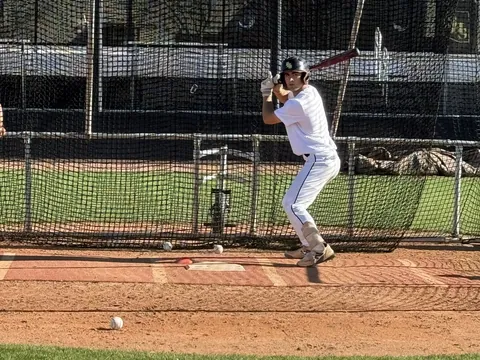
Coaches decide fast. Here is what they watch in the cage, how to prepare in the last four weeks, and what to do with the handful of swings you get.
READ ARTICLE →
From the 1986 Arizona champs to the ’87 Chokes to four pennants and two rings, my old teammate has won everywhere he’s gone. Here’s why.
READ ARTICLE →
Fast games can sharpen how quickly the brain reads and decides. The catch: the closer the game looks like hitting, the more it carries to the plate.
READ ARTICLE →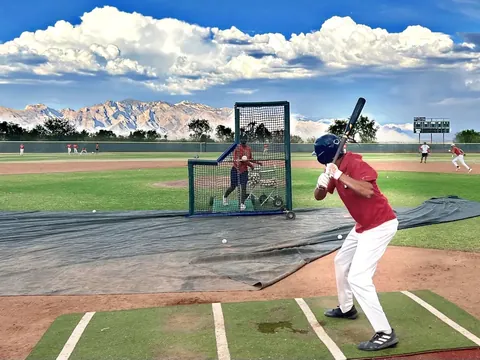
A simple offseason hitting plan for high-school hitters: build the body, train the swing, sharpen decisions and carry better work into tryouts.
READ ARTICLE →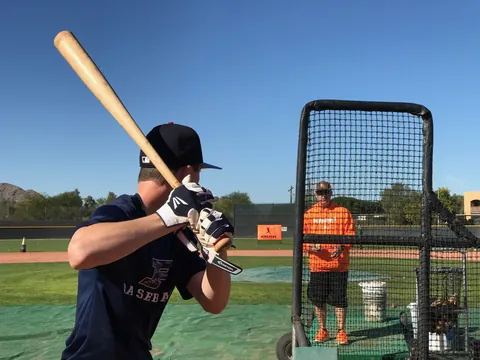
Fourteen is the jump to the big field, firmer pitching and a heavier bat. These drills build the bat speed and approach to handle it.
READ ARTICLE →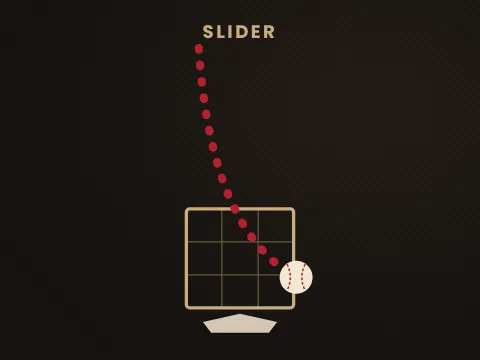
The slider looks like a fastball longer than any breaking ball, then darts late. Read the spin, cover the plate and take the chase.
READ ARTICLE →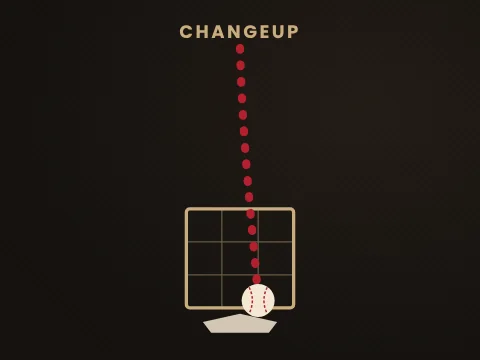
The changeup lies with the arm and tells the truth with the ball. Hitters who learn to read the difference and keep their hands back turn it into a gift.
READ ARTICLE →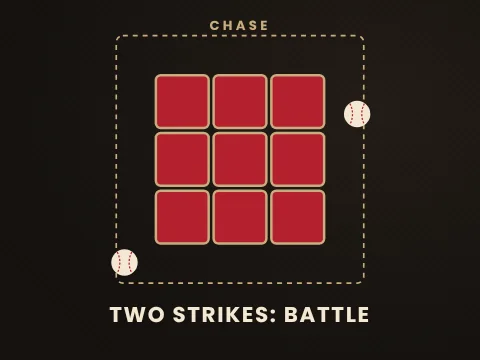
With two strikes the swing doesn’t get rebuilt. The plan changes: a bigger zone, a shorter path and a hitter who refuses to give the at-bat away.
READ ARTICLE →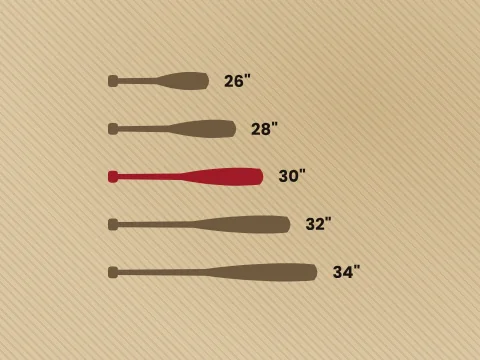
Get the length, weight and stamp right, then pick the bat he can swing fast and control. That’s the whole job.
READ ARTICLE →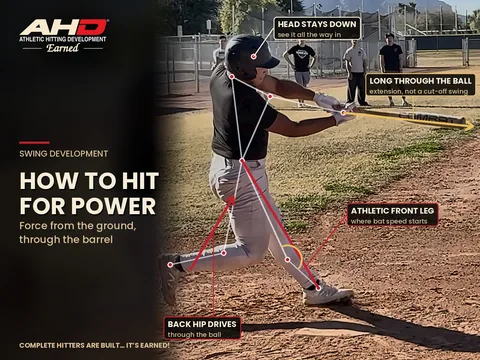
Power isn’t a drill. It’s bat speed, square contact and the right launch, built on a stronger, more explosive body.
READ ARTICLE →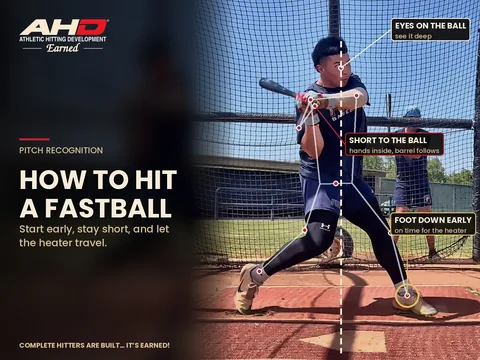
Most hitters don’t lose to the fastball because it’s too fast. They lose because they start too late.
READ ARTICLE →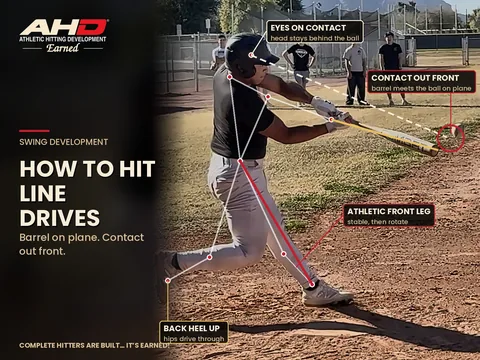
Pop-ups and weak grounders come from the same place: the barrel meets the ball at the wrong time or on the wrong plane. Here’s how to fix both.
READ ARTICLE →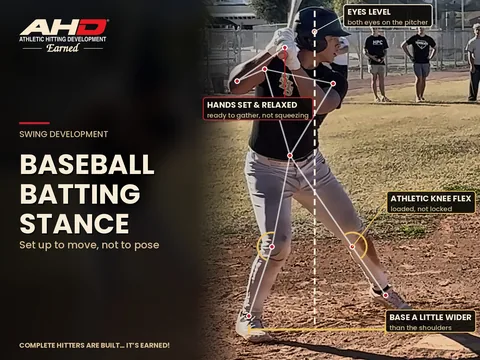
A stance isn’t a pose. It’s the starting point that has to let him load, see the ball and swing on time. Here’s how to build one.
READ ARTICLE →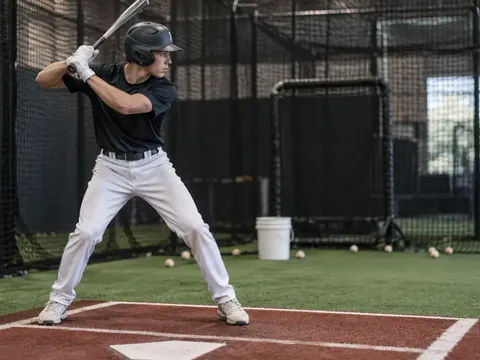
Six steps, in order, from the stance to the finish. What a hitter ages 10 to 18 should actually work on, and what parents should look for.
READ ARTICLE →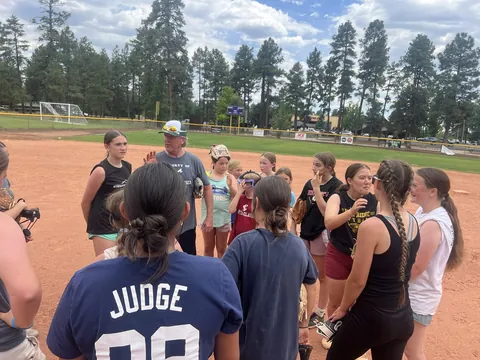
A 65 mph pitcher from 43 feet doesn’t give anyone time to think. The fix is an earlier start, a shorter move and a plan.
READ ARTICLE →
Fastpitch hitters swing faster when the body behind the bat gets stronger and more explosive. Here’s what to train and when.
READ ARTICLE →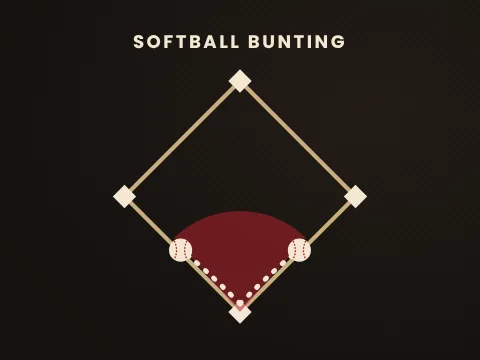
A good bunt is caught, not hit. Here’s the grip, the setup, the targets and when to use each bunt in fastpitch.
READ ARTICLE →
Slapping can be a real weapon or a detour. Here’s how to decide honestly, and how to try it without losing her swing.
READ ARTICLE →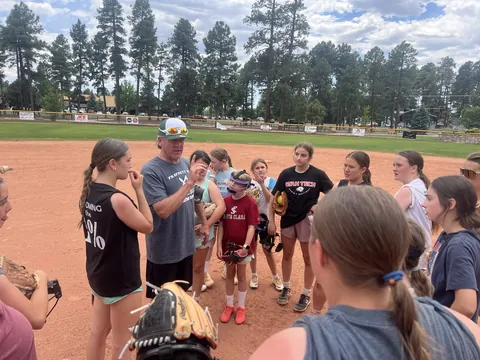
With two strikes, her swing shouldn’t fall apart. Her zone, her plan and her mindset should adjust. Here’s how.
READ ARTICLE →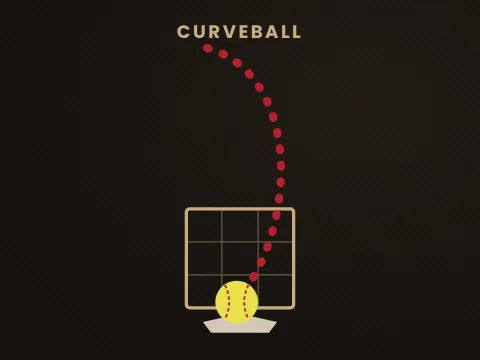
Softball breaking balls move sideways, not down. Know which way they run, read the spin early and let the pitch come to you.
READ ARTICLE →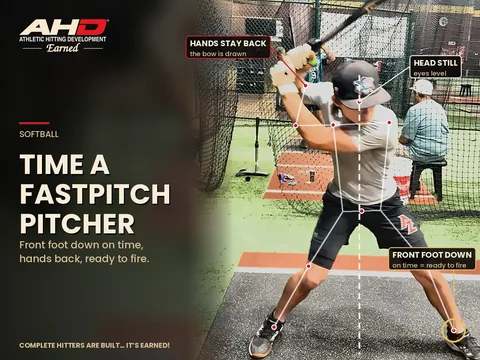
Fastpitch timing starts before the ball is ever released. Start the load early off the windmill and the swing finally has time to work.
READ ARTICLE →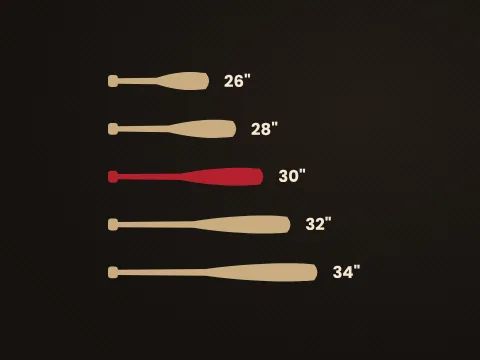
A chart gets you close. Three quick tests in the backyard tell you if the bat actually fits her swing.
READ ARTICLE →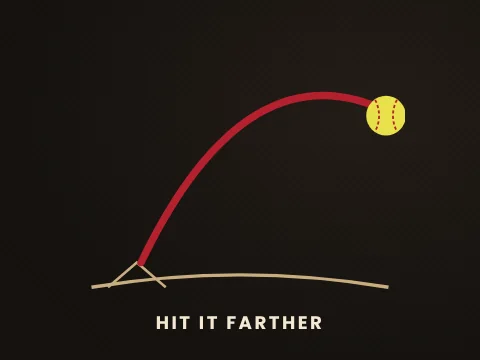
Distance isn’t a secret drill. It’s bat speed, square contact and the right launch, built on a stronger, faster athlete.
READ ARTICLE →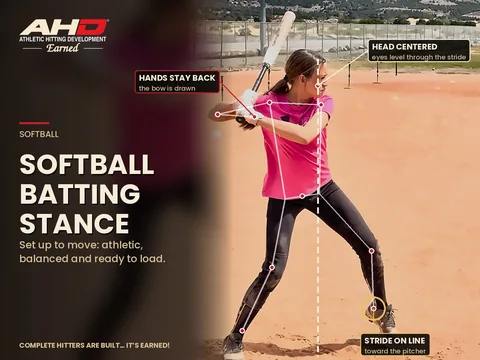
A stance isn’t a pose. It’s a starting point that has to let her load, see the ball and swing on time. Here’s how to build one.
READ ARTICLE →
Same principles, different problem. What a hitter switching sports, or a coach running both, needs to keep and what needs to change.
READ ARTICLE →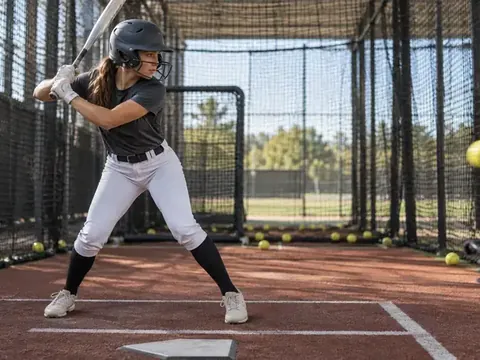
Six steps, in order, from the stance to the finish. What every fastpitch hitter from 10U to 18U needs to own, and what parents should look for.
READ ARTICLE →
A certificate doesn’t make you a hitting coach. Learning to diagnose, teach and communicate does — and the right certification should prove you can.
READ ARTICLE →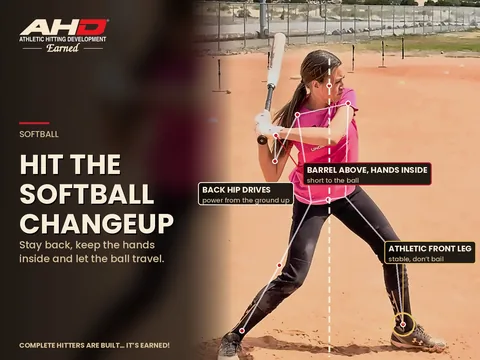
The changeup wins when the hitter commits to a fastball. See it early, keep the hands back, and let it travel.
READ ARTICLE →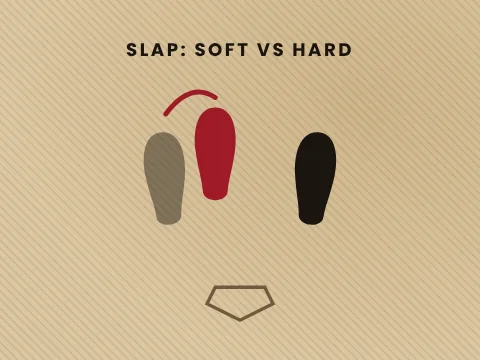
Slapping turns speed into hits from the left side. It’s a real skill with its own footwork, rules and reps, not a shortcut.
READ ARTICLE →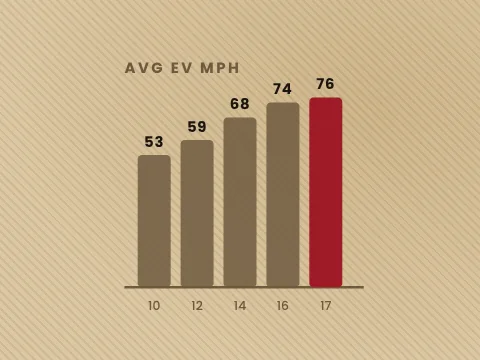
Published exit velo averages by age, from 10-year-olds to college, and why your hitter’s number depends on how it was measured.
READ ARTICLE →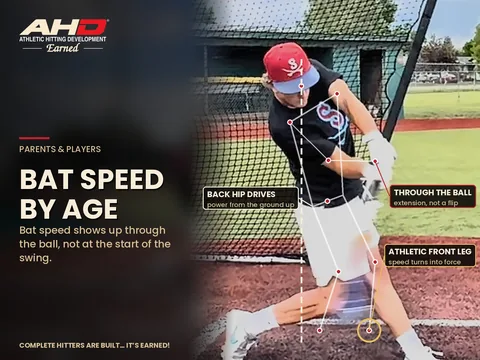
Real published sensor numbers by age and level for baseball and fastpitch, and why the device you use changes the answer.
READ ARTICLE →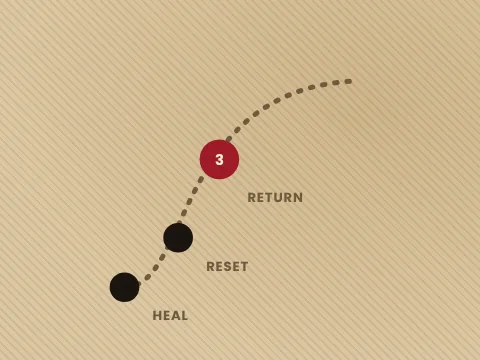
Being scared after a hit-by-pitch is your body doing its job. Here’s how to earn your confidence back, one controlled stage at a time.
READ ARTICLE →
Fear of the ball isn’t a toughness problem. It’s a protective reflex, and you rebuild trust one safe, successful rep at a time.
READ ARTICLE →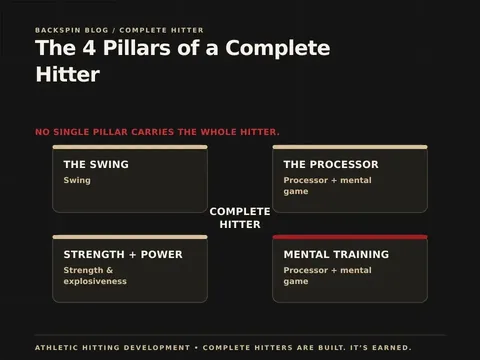
Why the swing, athletic development, mental training, and the hitting processor must work together.
READ ARTICLE →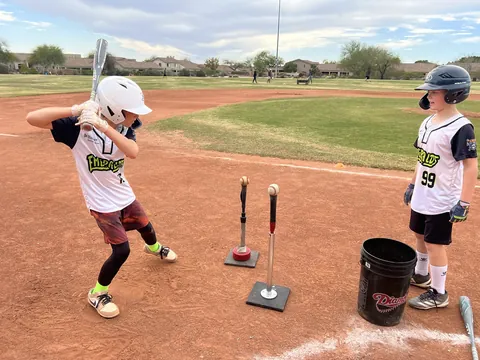
Five checkpoints, one phone and ten swings. Find the breakdown that comes first and fix that one.
READ ARTICLE →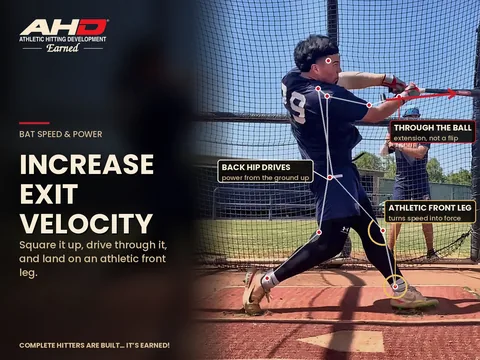
Exit velo isn’t one number you chase. It’s bat speed times quality of contact — and four pillars feed both.
READ ARTICLE →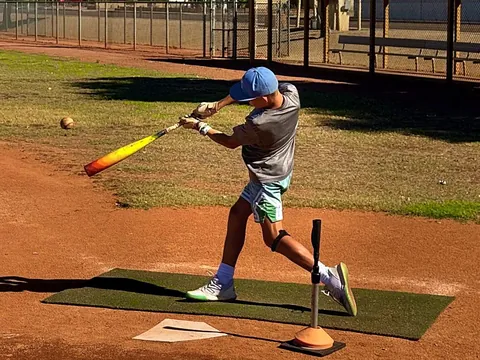
A study of 20 youth hitters found the swing changes off a tee. Keep the tee, but make moving-ball reps the backbone.
READ ARTICLE →
Chasing isn’t a swing problem. It’s a decision problem — and decisions can be measured and trained.
READ ARTICLE →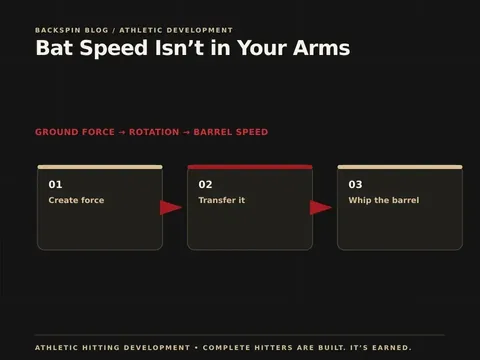
Swinging harder makes the bat slower. Where bat speed really comes from, and how hitters build it.
READ ARTICLE →
Separate results from causes, use a 24-hour reset and return to one simple approach you trust.
READ ARTICLE →
Every swing is different, but the best ones share angles that give hitters an edge. It’s an advantage, not a rule.
READ ARTICLE →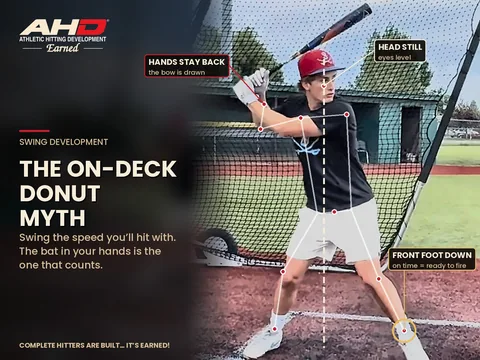
Heavy and light warm-up bats added no bat speed in players from 12U to college. Warm up with the bat you hit with.
READ ARTICLE →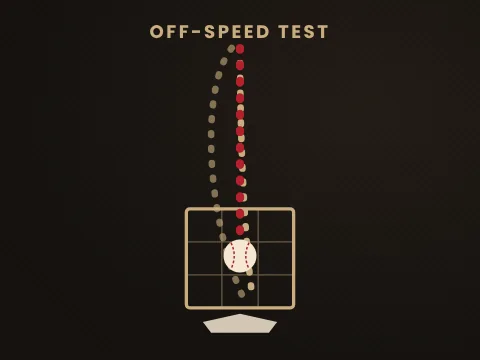
A hitter can crush the heater and still get exposed. The off-speed test checks all 4 pillars at once.
READ ARTICLE →
Ball/strike calls tracked OBP and walk rate. Train decisions like a skill, starting with the 20-pitch decision test.
READ ARTICLE →
You feel on time but you’re late. You feel on the ball but you’re under it. The AHD fix: go the opposite. Under? Swing over.
READ ARTICLE →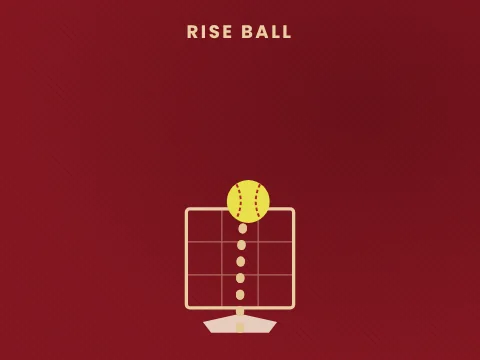
The rise ball wins when hitters chase it. Here’s how to set your eyes, read it early, and make the pitcher come down to you.
READ ARTICLE →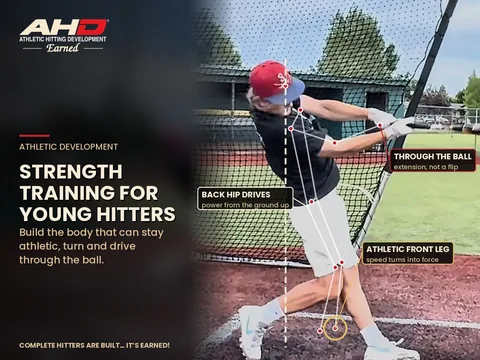
When kids can start, what to train at each age and six numbers that show what the body is holding back.
READ ARTICLE →
A 21-study meta-analysis found anti-choke tools work. Here are 5 fixes for hitters, and how coaches make practice pressure real.
READ ARTICLE →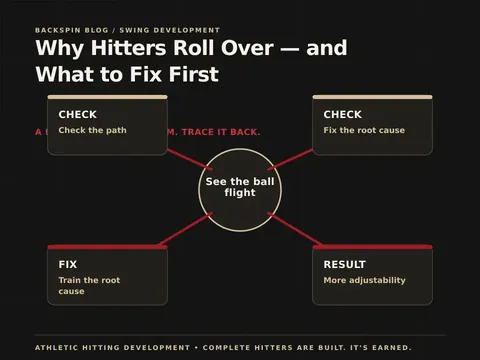
Rolling over is usually a symptom. Learn what to assess before choosing a drill.
READ ARTICLE →
Five minutes a day. One focus a day. A scorecard that shows your decisions getting better.
READ ARTICLE →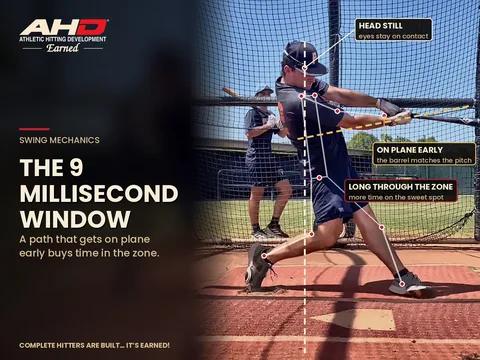
The average window for sweet-spot contact was 9.36 ms. Swing path stretched or shrank it by more than ten times.
READ ARTICLE →
Hits are partly luck. Good at-bats aren’t. Here’s how to help a hitter judge the right thing and reset fast.
READ ARTICLE →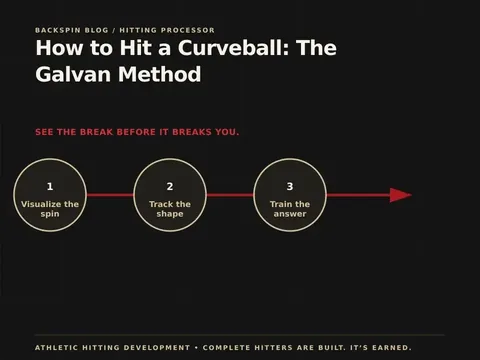
Why we struggle with spin, and the visualization habit a .400 college hitter used to “see” a curveball 50 times a game.
READ ARTICLE →
The rotational med-ball throw tracked bat speed in college hitters. The broad jump didn’t. Here’s how to run the test.
READ ARTICLE →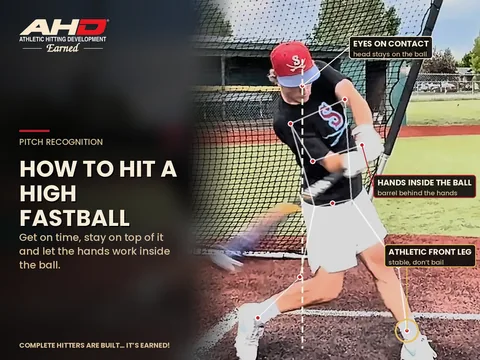
Why hitters miss the high heater, what not to change and three drills that transfer.
READ ARTICLE →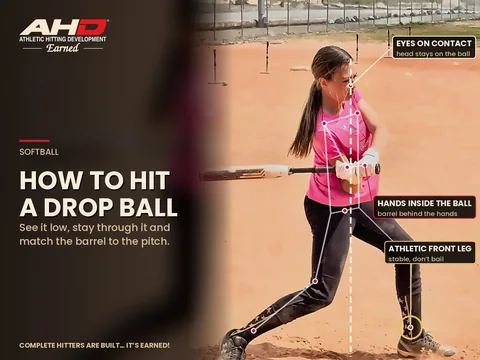
The drop ball wants a weak ground ball. Stay through it, match its plane, and make the pitcher bring it up.
READ ARTICLE →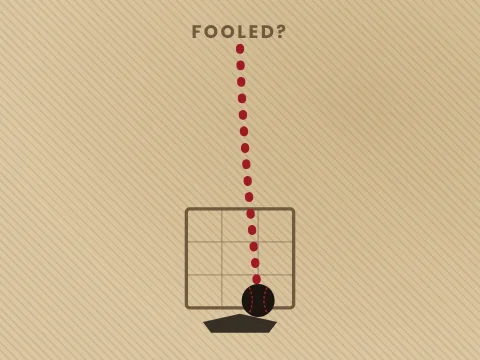
Sitting on the curveball is how hitters get beat by the fastball and the curveball. Here’s what to do instead.
READ ARTICLE →
Ten days of paced breathing lowered anxiety and lifted a batting score in college hitters. Practice it daily, not just when nervous.
READ ARTICLE →
Test all four pillars in one practice, build a team sheet and know exactly what to train first.
READ ARTICLE →
Thirteen-year-olds who moved poorly got quicker, faster swings from 8 weeks of movement and core work than routine training.
READ ARTICLE →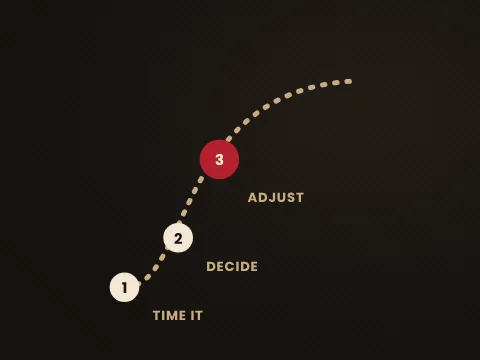
Pro hitters set timing first, decide next and adjust the barrel last. Here’s a practice plan built in that order.
READ ARTICLE →
Nine things a serious high school or college hitter needs to compete with confidence.
READ ARTICLE →
Grade the process, teach one reset, give every hitter a plan and make practice pressure real.
READ ARTICLE →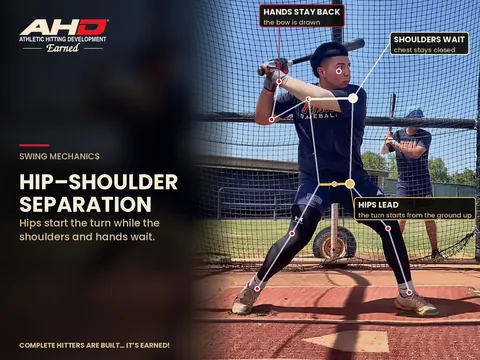
Separation grows with age. Don’t call a 10-year-old’s swing wrong: build the athletic position first and be patient.
READ ARTICLE →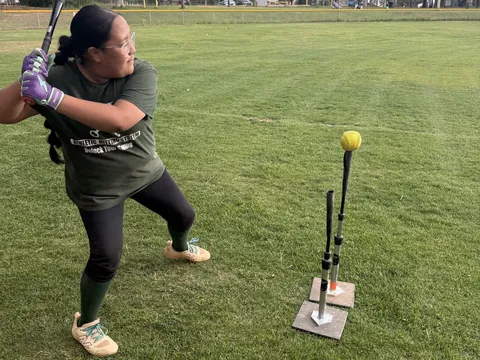
A tee, a net, some soft balls and 20 minutes. That’s enough to build a better hitter in the garage or backyard.
READ ARTICLE →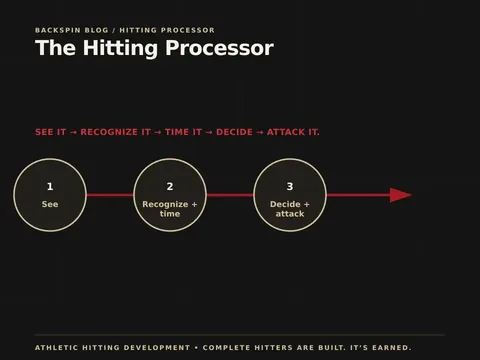
See it. Recognize it. Time it. Decide. Attack it.
READ ARTICLE →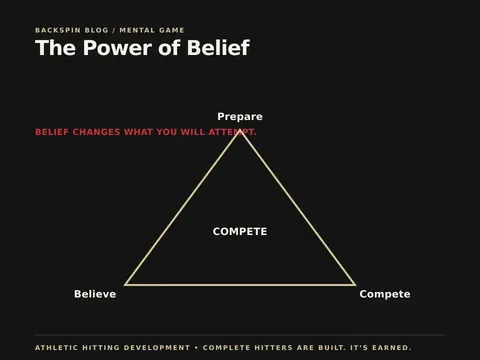
Belief is by far the most important asset any hitter can have. How it creates confidence and the zone, and why most hitters have to earn it.
READ ARTICLE →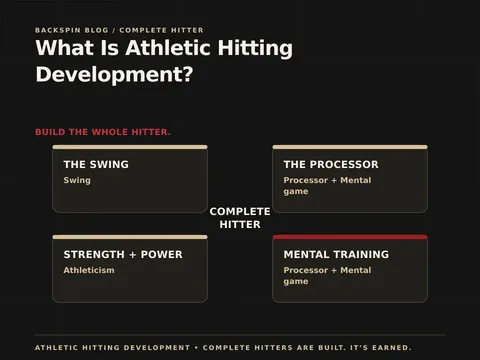
The AHD system explained: four pillars trained on purpose, then synced into one complete hitter.
READ ARTICLE →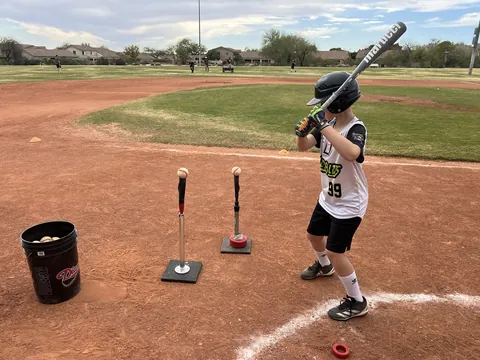
Five short stations, 15 minutes a day: athletic position, sequence, barrel control, eye work and game-intent swings.
READ ARTICLE →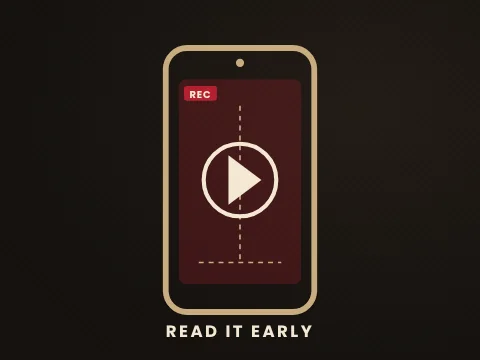
Stop the clip at release and make hitters call the pitch. Research says it trains earlier reads, on video and on the field.
READ ARTICLE →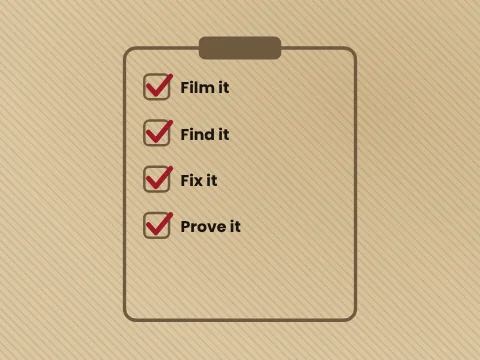
Find the priority, use one cue, film instead of fix — and keep practice from turning into arguments.
READ ARTICLE →
Grip, back strength and an overhead med-ball throw tracked bat speed in 78 college players. Sprint and jump didn’t.
READ ARTICLE →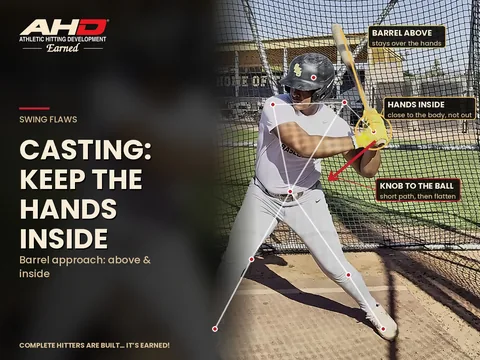
How casting lengthens the route to contact and reduces adjustability.
READ ARTICLE →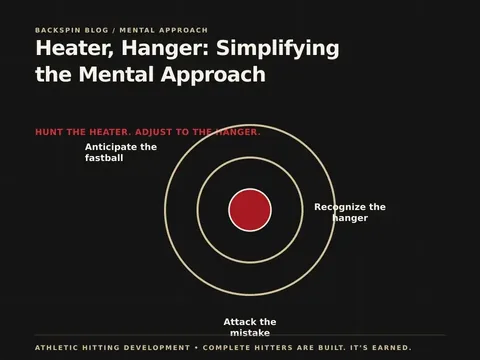
A simple approach for competing without overloading the hitter with thoughts.
READ ARTICLE →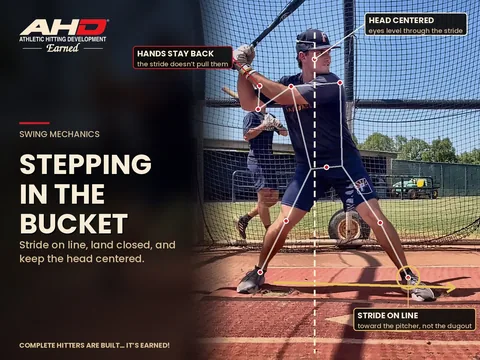
Stepping in the bucket is a symptom, not the problem. Find the cause and the stride usually fixes itself.
READ ARTICLE →
Pitch-reading reps with no swing improved softball hitters’ timing. Use them on days arms, weather or injury limit swings.
READ ARTICLE →
No secret sauce, no one right way. How you move, think and see, and how to spot a coach worth keeping.
READ ARTICLE →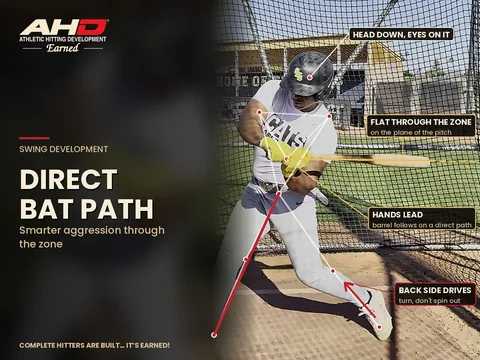
Every coach wants a direct path. But a direct barrel attacking the wrong pitch is wasted. Position, plan, then path.
READ ARTICLE →
Strength? Fast hands? Pretty swing? Analytics darling? Nope. Irrational confidence is the #1 common trait in elite hitters.
READ ARTICLE →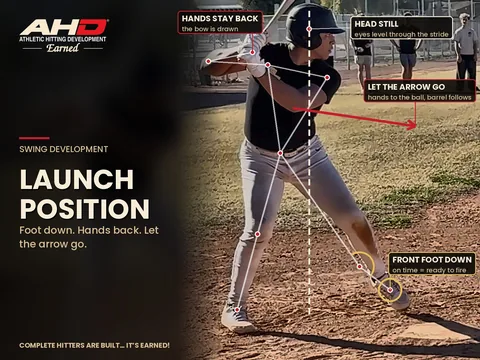
When the eyes say yes, is your hitter ready to fire? The hidden delay most hitters have, and how to train it out.
READ ARTICLE →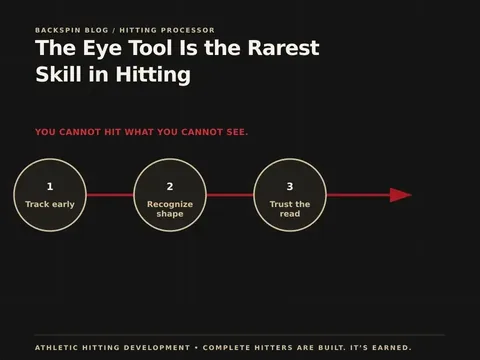
A beautiful swing cannot hit what the hitter cannot see, recognize, time, and decide on in time.
READ ARTICLE →
Test bat speed across 2–3 bat weights with a swing sensor. A Division I softball study found the profile reliable.
READ ARTICLE →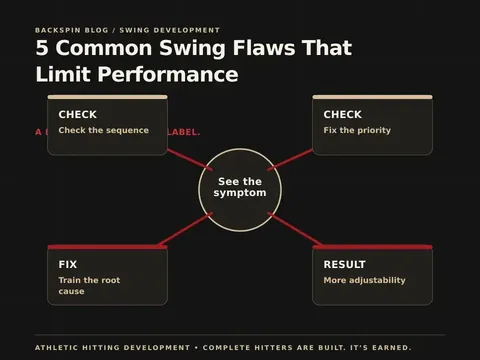
Learn what breaks down most often and how to start fixing it the right way.
READ ARTICLE →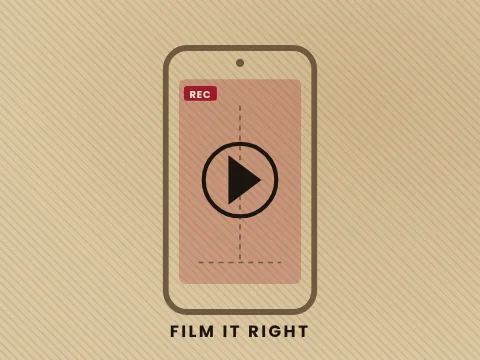
Two angles, chest high, landscape, slow motion. Get the video right and a coach can actually help your hitter.
READ ARTICLE →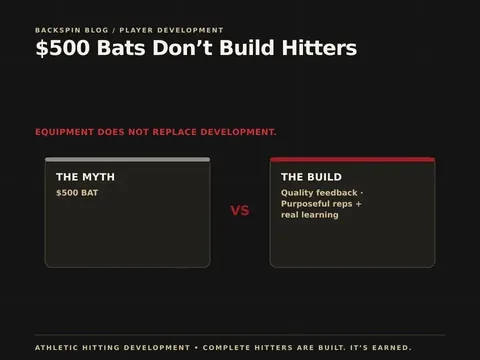
Youth baseball is breaking the bank. What young hitters actually need, and what parents can skip.
READ ARTICLE →
A 39-player study found heavy isn’t the answer on deck. Prime speed and timing instead. Here’s a simple AHD routine.
READ ARTICLE →
Five drills that train focus, tracking, timing and decisions — not just quick hands.
READ ARTICLE →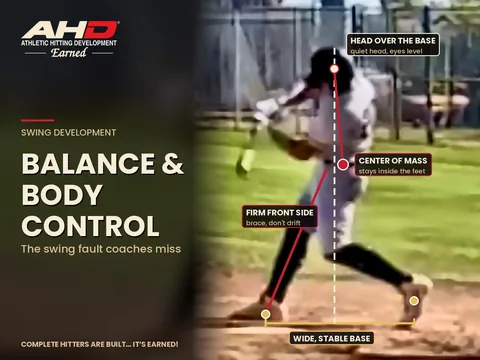
Why posture and center-of-mass control affect timing, force transfer, and barrel accuracy.
READ ARTICLE →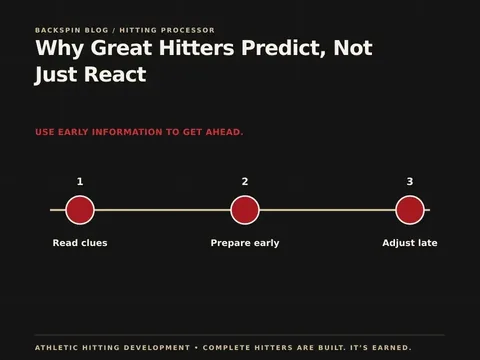
The ball moves too fast for pure reaction. Learn how great hitters use early information, organized movement, and adjustability.
READ ARTICLE →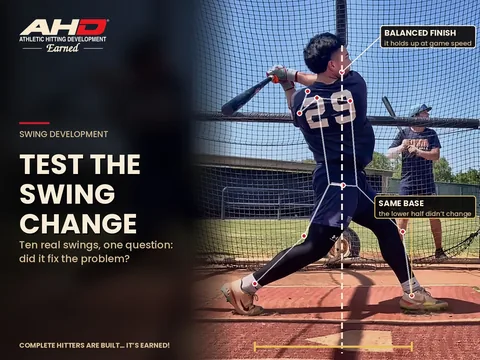
Rebuilding the swing on Tuesday and competing on Friday is how hitters get lost. Test it the AHD way.
READ ARTICLE →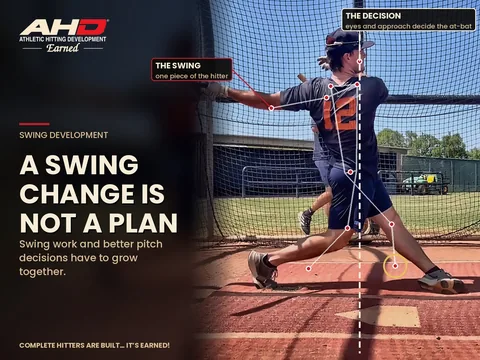
Why a beautiful cage change can look exactly the same in games. Every swing cue needs a game question.
READ ARTICLE →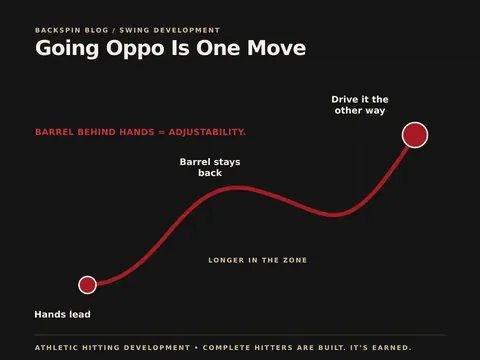
Going the other way isn’t a dozen tips. It’s one thing: hit the ball with the barrel behind your hands. And the best part is it works as a timing cue, helping you be on time and on plane more often.
READ ARTICLE →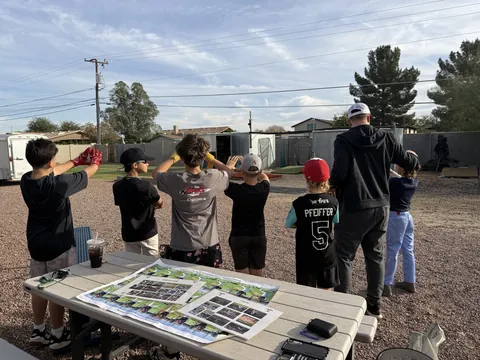
An axe, a sledgehammer and a tire build strength and skill in the same rep. Technology can diagnose — the right drill teaches.
READ ARTICLE →
Assess, build, add speed, then compete. A week-by-week offseason hitting program that peaks on tryout day, not in November.
READ ARTICLE →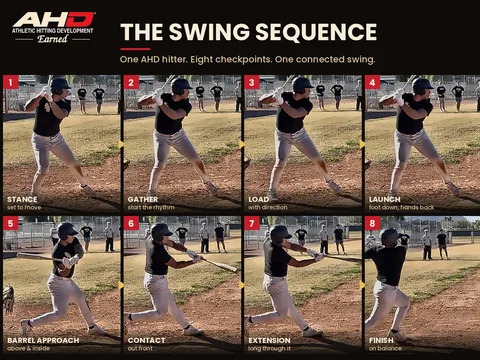
A practical breakdown of the seven AHD swing checkpoints.
READ ARTICLE →
52 years of playing, coaching and scouting. Less than 1% of players max out. Here are the six things they do.
READ ARTICLE →
It’s not the arm or the coach’s kid. It’s a hitting problem: right-handed rollovers. Here’s the fix.
READ ARTICLE →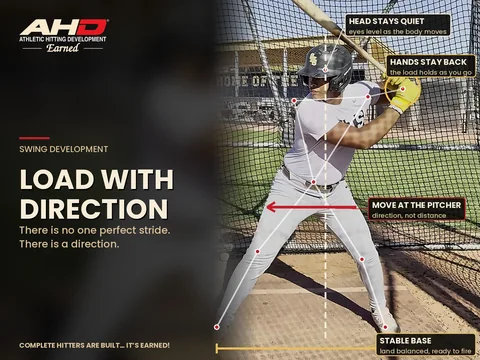
A 2026 study of 95 college hitters found no single ideal stride. Assess the whole move before you try to fix a stride.
READ ARTICLE →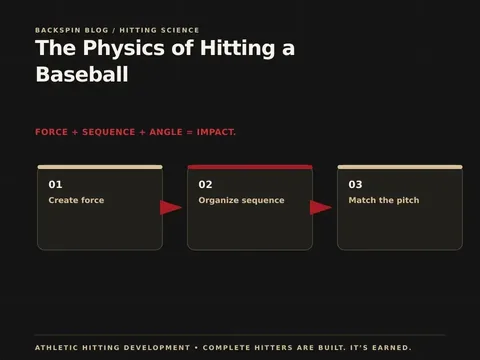
Force, torque, sequence, bat speed, collision, time and adjustability—why AHD trains the complete hitter instead of just the swing.
READ ARTICLE →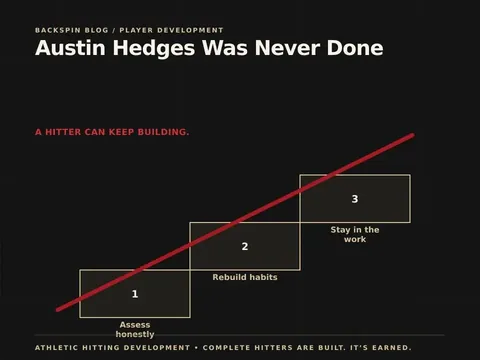
At 34, Hedges rebuilt his setup, practice, path and plan. Here is what every hitter can build from his example.
READ ARTICLE →
A fastball gives a hitter about 0.4 seconds, and the brain needs about 0.1 just to see it. How elite hitters beat the clock.
READ ARTICLE →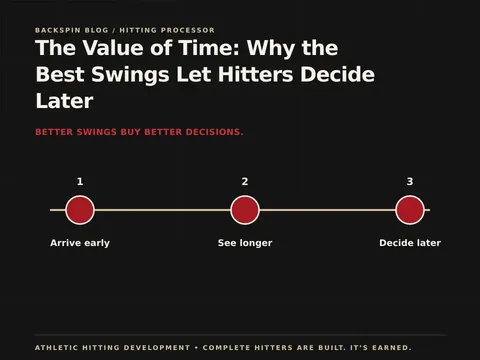
Jacob Wilson shows why efficient movement and adjustability can give hitters more usable time to recognize, decide and attack.
READ ARTICLE →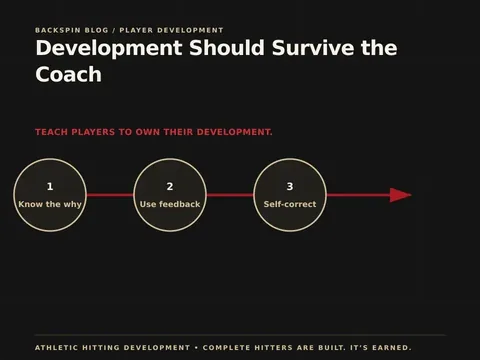
Talent can make a hitter good. Real development teaches the athlete why the swing works—and how to find it again when something changes.
READ ARTICLE →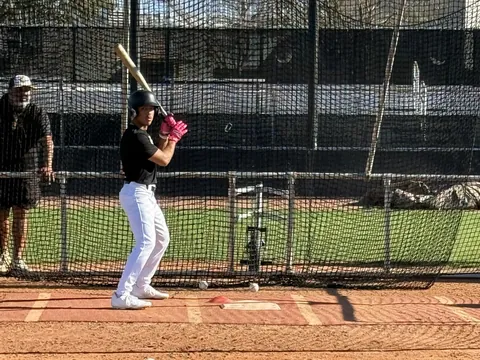
Bat speed gets you noticed. Swing decisions, athleticism and how you act after an 0-for-4 get you the offer conversation.
READ ARTICLE →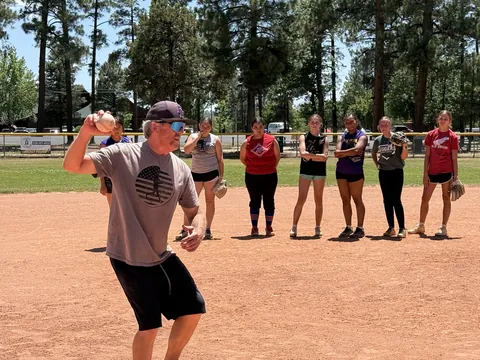
“Fast bat.” “Great athlete.” Useful observations, but not coaching yet. Turn every label into a better question.
READ ARTICLE →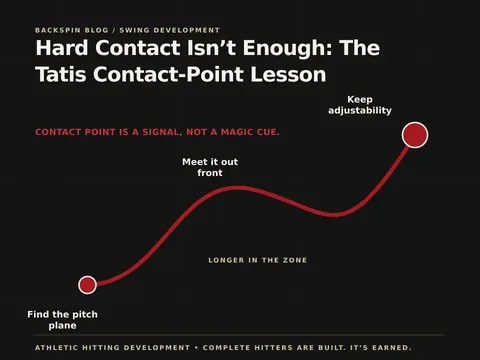
Fernando Tatis Jr.’s 2025 power question shows why contact point is a diagnostic signal—not a magic swing cue.
READ ARTICLE →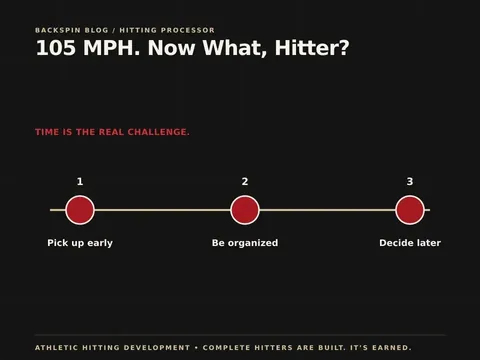
Misiorowski threw 105.5 mph. That leaves a hitter about 0.22 seconds to decide. Here’s how complete hitters train for it.
READ ARTICLE →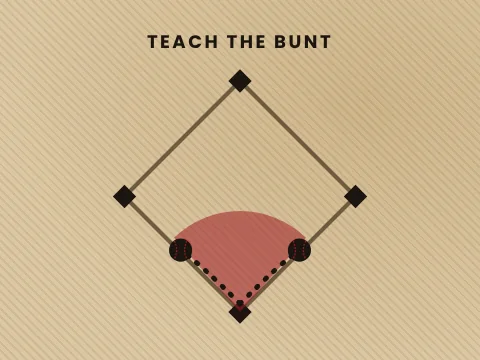
Grip, feet, barrel angle and a target test that shows whether your hitter can really bunt.
READ ARTICLE →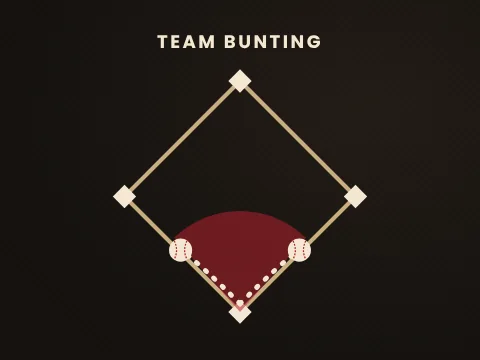
A 20-minute team bunting rotation, a target game with real scores and how to make small ball automatic.
READ ARTICLE →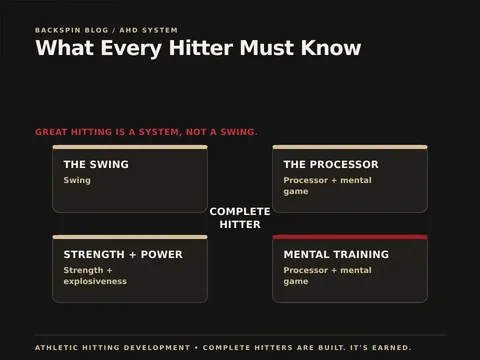
The swing matters—but complete hitters also build athleticism, pitch processing, timing, adjustability and confidence.
READ ARTICLE →
Pujols built the model swing. Caminero has it now, and Pujols helped coach it. The fastest, flattest swing in baseball.
READ ARTICLE →
A rookie All-Star starter who almost never misses. How his swing was built, and what young hitters should copy.
READ ARTICLE →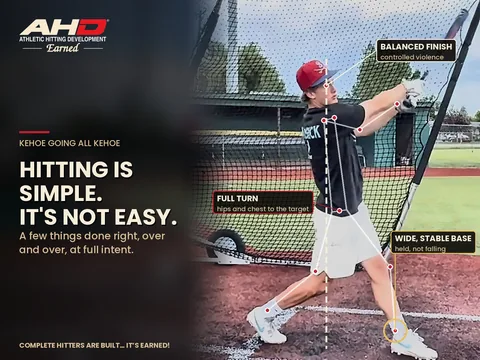
See the ball. Get on time. Get the barrel on plane. Hit it hard. Simple — just not easy.
READ ARTICLE →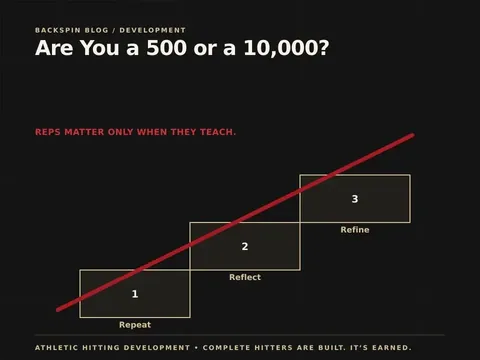
Some hitters build a move in 500 reps. Some need 10,000. Both get there. The myelin science of reps, and why “want to” is a skill.
READ ARTICLE →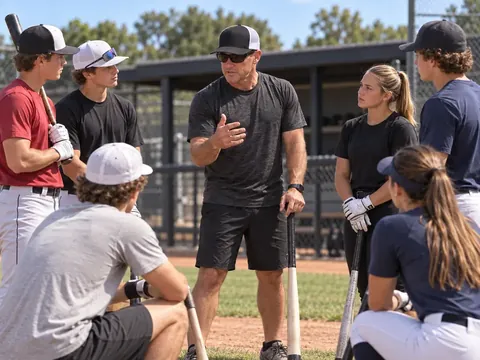
Six stations, four groups, zero kids standing in line. A minute-by-minute team hitting plan that trains all 4 pillars and carries into games.
READ ARTICLE →
The ball doesn’t shrink, speed up or rise. Moon or aspirin, it’s the same ball. Get the barrel to the right place at the right time.
READ ARTICLE →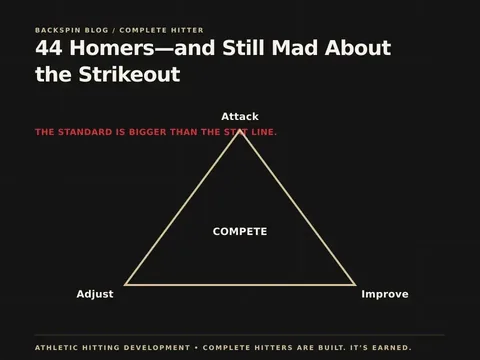
Pete Crow-Armstrong’s leap shows what happens when athletic setup, disciplined aggression, better decisions, and a real standard work together.
READ ARTICLE →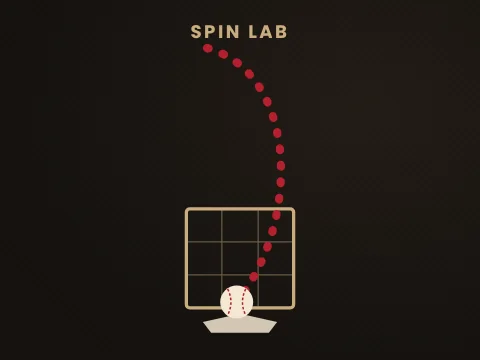
Want to hit spin? Real movement, velo changes and instant swing feedback for the price of a pizza.
READ ARTICLE →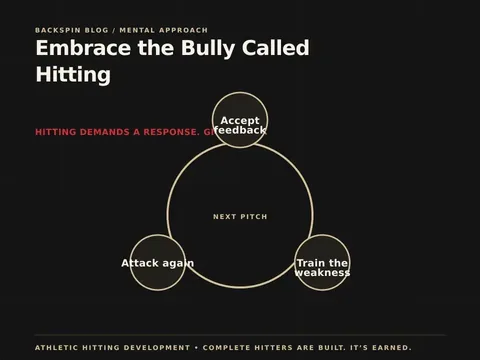
Hitting is simple, not easy. Take the feedback, build the four pillars, and go right back at it.
READ ARTICLE →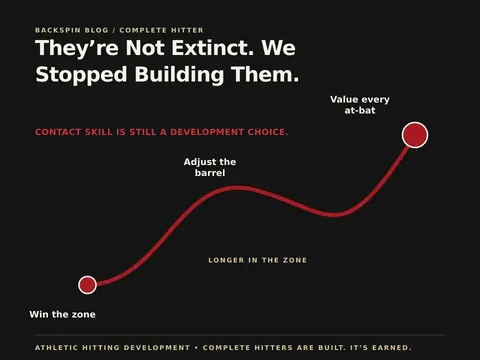
Gwynn, Boggs and Carew would win games in 2026. Why the contact artist is a winning brand of hitter.
READ ARTICLE →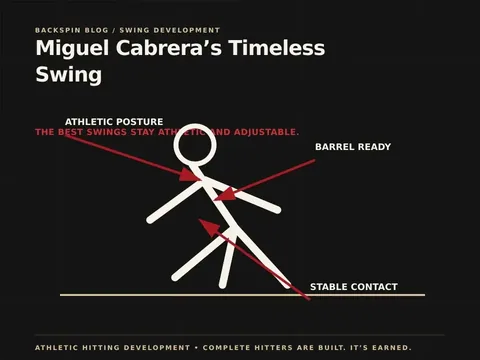
What Cabrera’s 500th home run teaches hitters about adjustability, consistency and building a swing that survives change.
READ ARTICLE →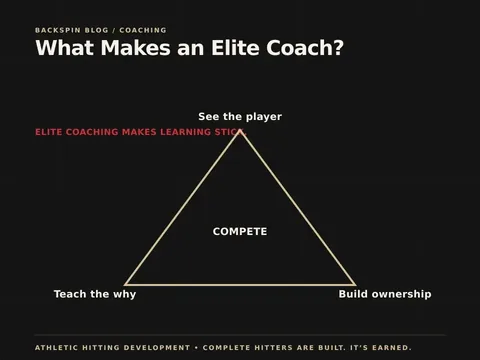
There are many kinds of good coaches. Only a few are elite. They don’t need every trait, but they better be strong in several.
READ ARTICLE →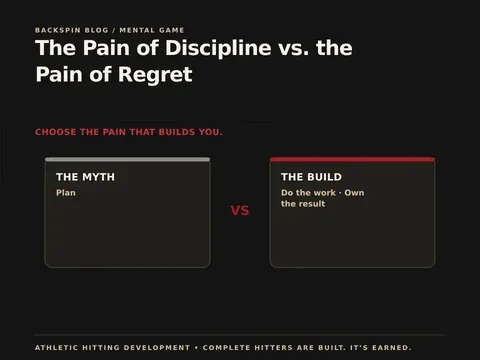
Every hitter pays a price. See how discipline now—or regret later—shows up in the swing, strength, processor and mental approach.
READ ARTICLE →
Some hitters shrink when the lights get bright. Kiké Hernández gets bigger. What October Kiké teaches every hitter about pressure.
READ ARTICLE →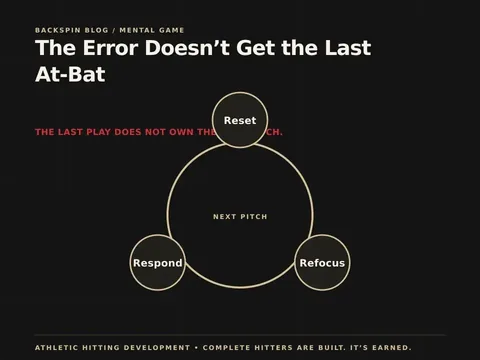
A late throw in the 7th. A two-out homer in the 10th. Alec Bohm and the short-memory lesson every hitter needs.
READ ARTICLE →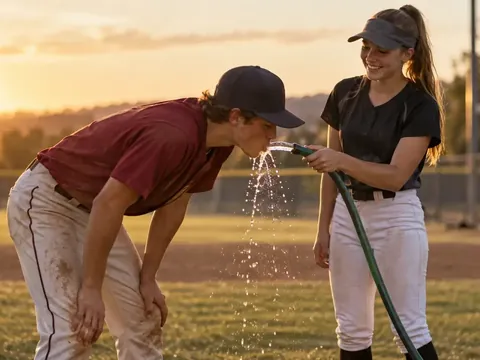
Phoenix summers don’t have to stall your hitter. Train early, train late, train inside — and get MORE out of fewer minutes.
READ ARTICLE →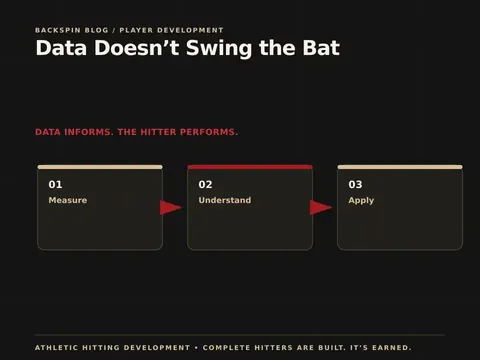
The Red Sox scored two runs in two games. Willson Contreras said data and computers aren’t enough. Here’s what every hitter should take from it.
READ ARTICLE →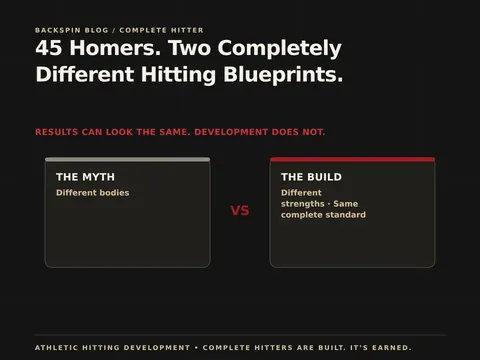
Pete Crow-Armstrong and Kyle Schwarber tied for MLB’s home-run lead. Here is the development lesson behind the same power total.
READ ARTICLE →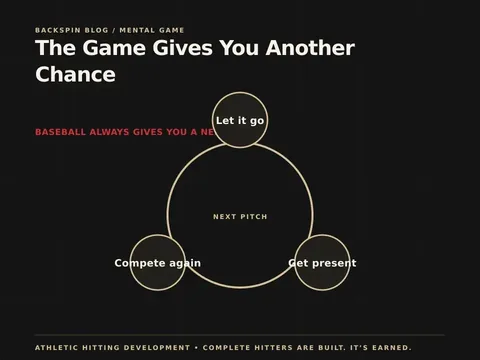
Even the best hitters in the world struggle. Stay prepared, reset fast and be ready when the game offers another opportunity.
READ ARTICLE →
A brutally honest look at amateur hitting. I see a lot of meh. We can get so much better, and in a hurry.
READ ARTICLE →
Too small, too slow, a bad call, a coach who doesn’t see it. Here is the way out for every hitter.
READ ARTICLE →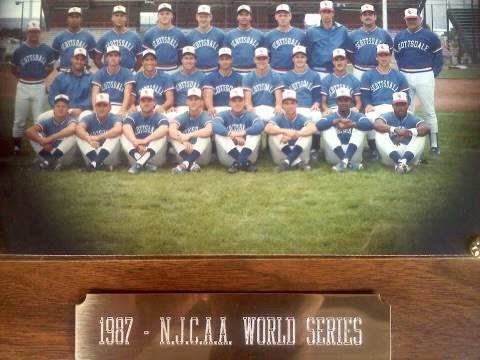
The opening chapter of a series on the people, the wins, and a ballclub that had it all.
READ ARTICLE →
A 16th-round pick with a bad eye, a World Series 4-for-4 and a homer for his first hit of 2026. What Tommy Pham teaches hitters.
READ ARTICLE →
Cleveland loaded the bases twice and scored nothing. Murakami hit one pitch 440 feet. What hitters learn from ALDS Game 1.
READ ARTICLE →
MLB’s best offense scored one run as the Padres swept the Cubs. Gavin Sheets beat 101 mph. Here’s the lesson.
READ ARTICLE →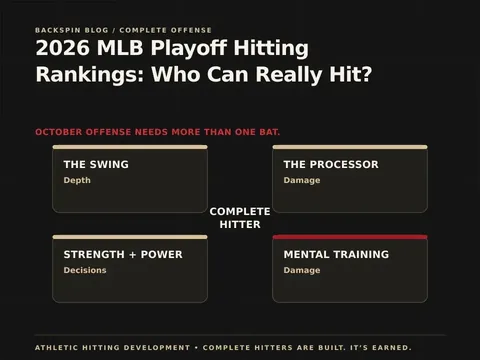
AHD ranks all 12 playoff lineups by complete offense, lineup depth, damage potential, and current form—not World Series odds.
READ ARTICLE →
How Saguaro built a championship offense by seeing spin every day, and making pitchers pay for every mistake.
READ ARTICLE →
Great teams don’t accept a ceiling. They build the athlete, the swing, the processor and the competitor — then find out how good they can be.
READ ARTICLE →
Hitting is fun, scary, brutal and beautiful. Why the hardest puzzle in team sports became a lifelong obsession—and the foundation of AHD.
READ ARTICLE →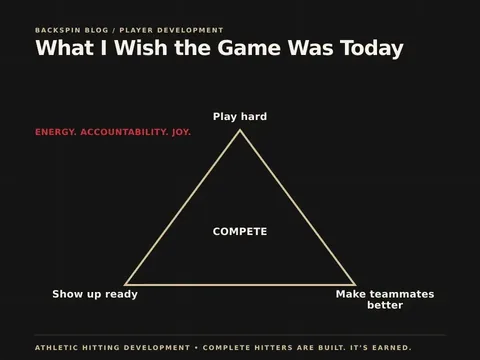
Energy. Teamwork. Accountability. Urgency. Joy. The AHD non-negotiables for playing like it matters.
READ ARTICLE →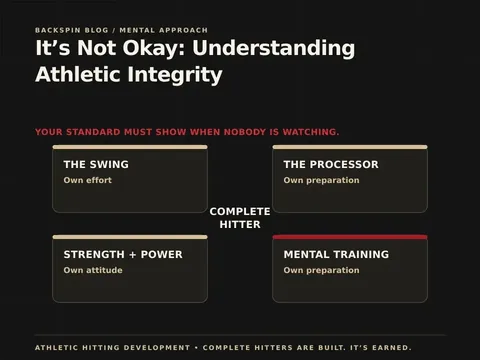
A lot of people gave a lot to get you here. One player’s integrity can hold a team together, or break the chain.
READ ARTICLE →
Rose, Cobb, Dykstra, Pedroia: baseball’s sandpaper guys were winners. Compete hard, clean and through the whistle.
READ ARTICLE →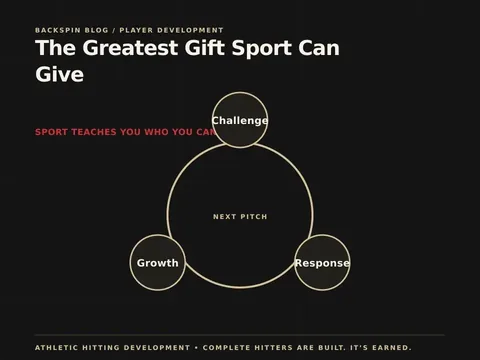
Not the discipline. Not the friendships. The pure win-or-lose competition, and why you should hold onto it as long as you can.
READ ARTICLE →
BK, unfiltered: toughness, ownership and integrity.
TOPIC HUBMovement, sequence, bat path and adjustability.
TOPIC HUBSee It → Recognize It → Time It → Decide → Attack It.
TOPIC HUBPitch hunting, recognition, timing and competition plans.
TOPIC HUBHow athletes learn, self-correct and keep improving.
TOPIC HUBForce, speed, power, athleticism and body control.
TOPIC HUBConfidence, routines, focus, resilience and competing.
TOPIC HUBUse big-league examples to teach development—not copy swings.
TOPIC HUBHow all four AHD pillars work together.
BK on hitting, development and the mental game. One big idea per episode, 10–15 minutes, and one thing to take to the cage that week.
SEE THE EPISODES →Want to go all the way back? Explore the earlier coaching notes collected in the Backspin Blogger PDF. These posts originally appeared under Krush Athletics; their dates and wording are preserved as historical material. AHD’s current lessons and SwingChecker guidance may differ.
EXPLORE THE 2015 ARCHIVE →Guarantee & Refunds · Privacy · Terms · Safety · Delete My Data