By BK, Athletic Hitting Development
Complete Hitters Are Built… It’s Earned!
Key takeaways
- In ALDS Game 4 on October 8, José Ramírez hit a go-ahead two-run homer off a 99.9 mph Jordan Hicks four-seamer, the fastest pitch he’s ever homered on.
- Velocity doesn’t make hitters late. Being unprepared for velocity does.
- Hunt a fastball in your zone, be on time without rushing, and stay athletic enough to adjust.
- Train velocity rounds that score timing and decisions, not just exit velocity.
Velocity doesn’t make a hitter late by itself. Being unprepared for velocity does.
José Ramírez’s lesson for hitters: velocity doesn’t make you late, being unprepared for it does. Hunt a fastball in your zone, be on time without rushing and stay athletic enough to adjust.
Train it: Hitting Processor Masterclass →1. The swing that beat 99.9
Game 4 of the ALDS in Chicago, October 8. Cleveland trailed in the fifth. José Ramírez got a 99.9 mph four-seam fastball from White Sox right-hander Jordan Hicks and hit it out for a two-run, go-ahead home run. The Guardians won 9–5 and forced a Game 5.
It was the fastest pitch Ramírez has ever hit for a home run, and it tied the fastest pitch a Cleveland hitter has homered on in the postseason in the pitch-tracking era.
He wasn’t trying to beat the radar gun. He was ready early enough to attack a strike with a connected, playable swing.
The best hitters aren’t surprised by velocity.
2. Fastball readiness isn’t guessing
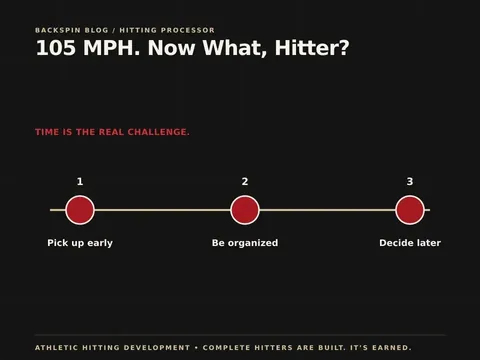
Too many hitters hear “sit fastball” as “start your swing before you know where the ball is.” That turns hitters into guessers. A good fastball approach starts on time, keeps the body athletic and gives the eyes enough time to recognize pitch and location.
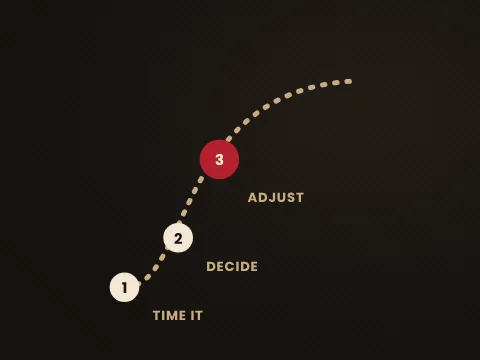
The AHD version is simple: hunt a fastball in your best zone. If it’s there, attack. If it isn’t, keep moving well enough to take it or adjust. That’s why Time It comes before Decide in the Hitting Processor. You need an on-time body to make a good decision.
THE HEATER PLAN
BE EARLY.STAY READY.
- Pick your damage zone.
- Be on time without rushing.
- Attack the heater in your zone.
- Stay athletic enough to adjust.
UNPREPARED MAKES YOU LATE.
3. The Heater plan
- Pick a zoneNot “anything close.” Give yourself a location where you do real damage.
- Be on time without rushingA repeatable gather and forward move that gets you to launch ready, not already committed.
- Attack the heaterA good fastball in your zone gets your best swing.
- Adjust to the hangerDon’t let an off-speed pitch make you late and unathletic. Keep the barrel playable.
4. Why the swing still matters
No mental cue beats a swing that can’t get to the ball. Late hitters often need to look at the earlier parts of the move: a rushed or inconsistent gather, a stride that lands late, hands that disconnect, or a barrel that dumps under the ball. Hitters with Mechanically Advantaged Angles, barrel above the ball and working behind the hands, have a shorter, more direct road to a fast pitch.
Film from the side and from behind. Compare the hitter’s timing on fastballs in the zone and off-speed away. The question isn’t “does it look pretty?” It’s “can this hitter be ready for the heater and still have a chance to adjust?”
5. A fastball training round
- 10 quality fastballs in the hitter’s damage zone.
- 10 fastballs just off the zone or at a tough location.
- 10 off-speed pitches once the hitter is on time.
- Score it: on time? Right pitch attacked? Balanced and under control at the finish?
Don’t obsess over one exit-velocity number. A good fastball round is a collection of intentional, on-time decisions. Build enough strength to create force, enough swing to keep the barrel playable, enough processing to identify the pitch and enough confidence to attack it.
Quick answers
How do you hit a high-velocity fastball?
Get ready earlier, not quicker. A repeatable gather and forward move puts you at launch on time so you can attack a fastball in your zone without guessing.
Should hitters sit fastball?
Hunt a fastball in your best zone, but stay athletic enough to take or adjust when it isn’t there. Ready for the heater, adjust to the hanger.
Why is my hitter always late on fastballs?
Usually the start: a rushed or inconsistent gather, a late stride landing, or a long path where the barrel dumps under the ball. Film from the side to find it.
What pitch did José Ramírez homer on in ALDS Game 4?
A 99.9 mph four-seam fastball from Jordan Hicks, the fastest pitch he’s ever hit for a home run.
How do you practice hitting velocity?
Run a fastball round: 10 fastballs in the hitter’s damage zone, 10 just off the zone, then 10 off-speed once he’s on time. Score it on timing, attacking the right pitch and a balanced finish, not exit velocity.
Source: MLB.com, José Ramírez ALDS Game 4 home run (October 8, 2026). The coaching read is AHD’s. More breakdowns in MLB Breakdowns and Hitting Processor.
Don’t collect drills. Build a complete hitter.
Complete Hitters Are Built… It’s Earned!
This article is part of the AHD guide Pitch Recognition & Timing. Start there for the full picture and every related article.