By BK, Athletic Hitting Development
Complete Hitters Are Built… Not Given. Earned!
The Wall Street Journal just ran a story with a headline every baseball parent will recognize: “Advanced Stats and $500 Bats: Why Baseball for 6-Year-Olds Is Breaking the Bank.”
No: a $500 bat in the hands of a hitter who drags or casts is still a ground ball to shortstop, because the bat doesn’t swing itself. Spend in this order instead: reps, a plan from a coach who teaches the why, athletic development, then gear that fits the kid you have right now.
Train it: Complete Hitter Masterclass →🛠️ Before you spend anything, size it right with the free AHD Bat Size Calculator.
Reporter Harriet Ryan opens at a club tournament east of Los Angeles where 6-year-olds, on teams from as far away as Arizona, were too young to pitch to each other. Their parents were still spending thousands.
According to the article:
- Average family spending on baseball jumped more than 68% from 2019 to 2024, from $660 to $1,113 a year (Aspen Institute’s Project Play).
- Club fees can reach $6,000 a year, and travel can double or triple that. Youth bats run $500 and gloves $400.
- Private hitting and pitching coaches charging up to $200 an hour are routine for kids as young as 8. Backyard batting cages cost around $25,000.
- An “advanced statistics” and video app for young players was $191 a year.
- Little League, where a season runs about $110 to $170, says it had 1.5 million U.S. players this year, down from about 2.2 million in 2006.
Here’s my take after a lifetime in this game: most of that money isn’t building better hitters.
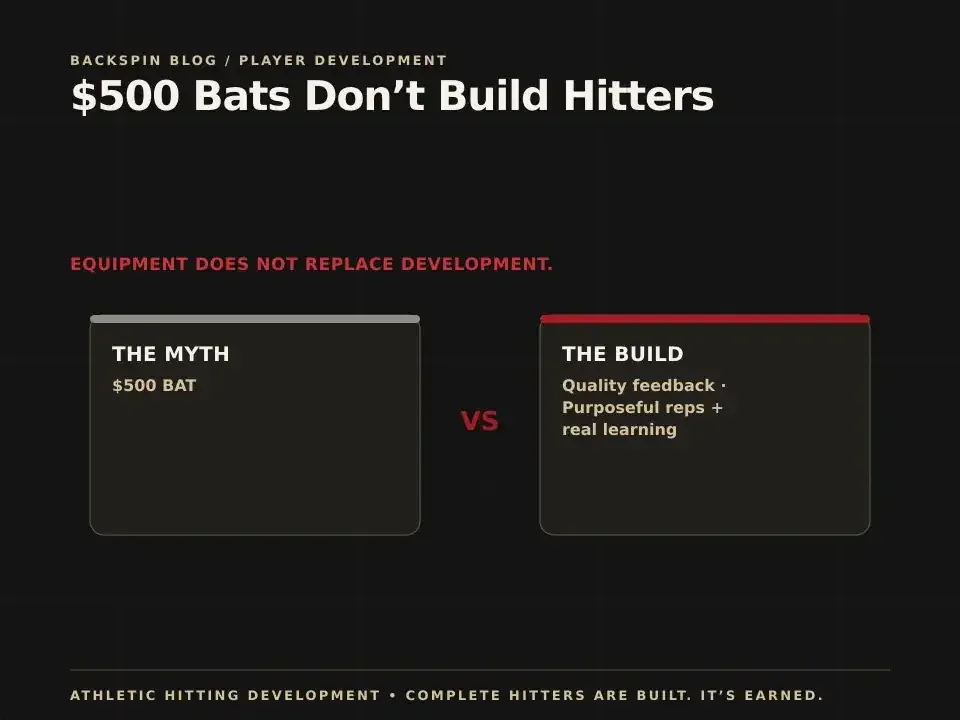
A $500 bat in the hands of a hitter who drags or casts is a $500 ground ball to shortstop.
1. The bat doesn’t swing itself
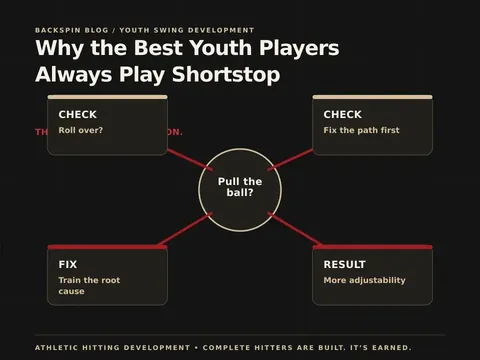
A new bat can feel like progress. It isn’t. The swing is the same swing. If the barrel drags under the ball or casts outside the pitch, the most expensive bat on the rack will roll over just like the cheap one.
What a young hitter needs from a bat is simple: the right length and weight for their size and strength, and legal for their league. A bat that’s too heavy because it was “the good one” actually makes the swing worse.
My favorite family in the Journal’s story is a fire captain from Riverside County whose 6-year-old is a switch hitter with a strong arm. He bought his son a $60 used bat, skips the pricey out-of-state tournaments and practices with him at a local park. That’s a dad who gets it.
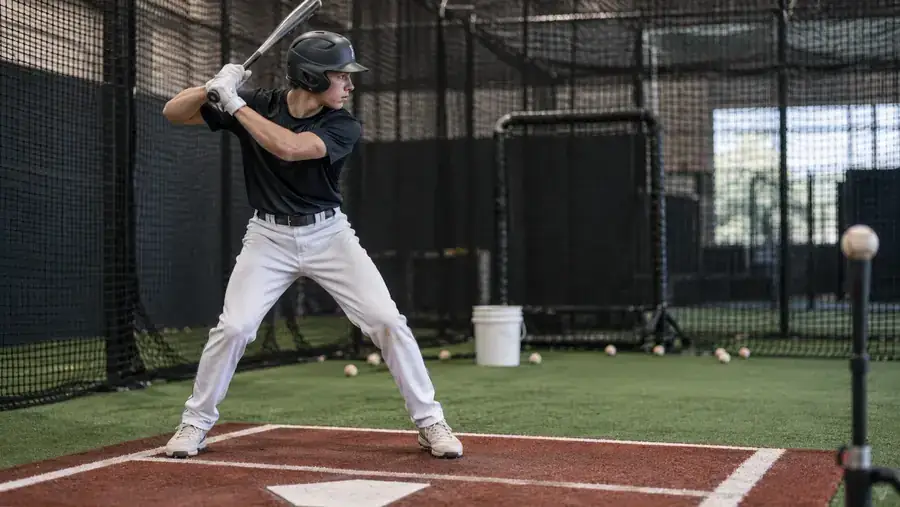
A NEW BAT FEELS LIKE PROGRESS
BAT DOESN'T SWINGITSELF.
- It isn't progress.
- Same swing. Same result.
- Fit the bat to the hitter.
A $500 BAT WON'T FIX A DRAG OR A CAST.
2. Advanced stats for 6-year-olds?
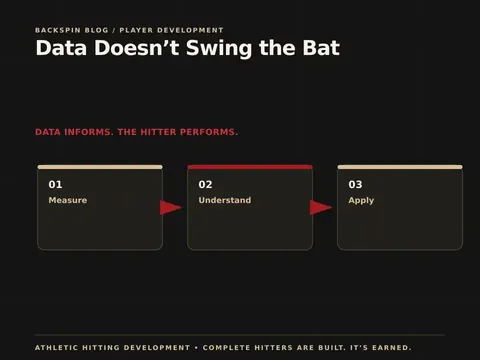
I love good information. But data doesn’t swing the bat. A 6-year-old doesn’t need exit velocity reports. A 6-year-old needs to see the ball, swing at strikes, make solid contact and have fun doing it.
Measurement is valuable when there’s a sound swing to measure. Before that, it’s just expensive numbers about a swing nobody has built yet.
3. Know the odds
The Journal reports that less than 3% of high school players will play Division I, according to NCAA data, and only about 5% of college players at any level get drafted. Yet many parents say a possible college career is the main reason they’re spending.
“They almost view it like an investment, and it’s a horrible investment.”
Bobby Minor, baseball parent and creator of Chasing Baseball Dreams, in the WSJ
I’d put it this way: the investment that pays off is in the hitter, not the hardware. Skills, athleticism and a love for the game are what carry a kid as far as they can go.
4. Where the money should go
If you’re going to invest in a young hitter, here’s the order I’d spend it in. Notice how much of it is cheap or free.
1. Reps
Play catch every day. Tee work and soft toss in the backyard. As many live at-bats as you can find. A bucket of balls and a tee beat a new bat every time.
2. A plan and a coach who teaches the why
Good coaching tells a hitter what to work on first and why it matters. That’s worth more than any piece of equipment, and it doesn’t have to mean expensive weekly lessons.
3. Athletic development
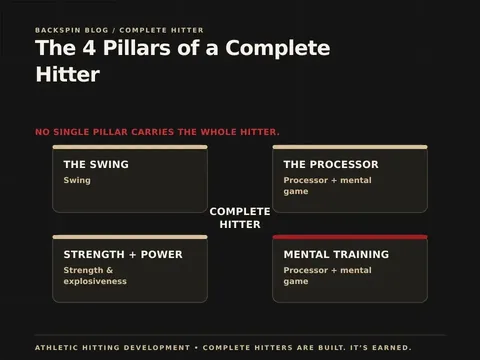
Sprint, jump, throw, and play other sports. Athleticism is one of the four pillars of hitting, and kids build it best by playing, not by sitting in a cage.
4. Equipment that fits
Last, not first. A bat, helmet and glove that fit the athlete right now. Buy for the kid you have, not the player you hope they’ll become in three years.
WHERE THE MONEY SHOULD GO
SPEND IT INORDER.
- 1Reps.
- 2A plan and the why.
- 3Athletic development.
- 4Equipment that fits.
INVEST IN THE HITTER, NOT THE HARDWARE.
5. What you can skip
- The newest bat every season if the old one still fits.
- Data packages for young kids before the fundamentals are in place.
- Drill collecting. Ten random drills from the internet won’t fix the one thing that actually needs work.
- Specializing too early. Playing other sports builds better athletes, and better athletes become better hitters.
6. The smarter spend: a plan, not a weekly bill
The Journal’s numbers on private training jumped out at me. One new facility had 100 kids paying about $500 a month within three months of opening. Another charges up to $1,000 a month with a year-long contract. Hitting coaches at $150 to $200 an hour, every week, are routine.
Here’s my favorite line in the whole article. The owner of that facility said parents enrolling their boys often told him: “He’s missing something, and we don’t know what it is.”
That’s exactly the problem AHD was built to solve, and you don’t need a monthly contract to solve it.
| Option | What it costs | Over 90 days |
|---|---|---|
| Weekly private lesson ($150/hr, per WSJ) | $150 every week | about $1,950 |
| Weekly private lesson ($200/hr, per WSJ) | $200 every week | about $2,600 |
| Training facility (per WSJ) | $500 to $1,000 a month | $1,500 to $3,000 |
| AHD SwingChecker™ | Free | $0 |
| AHD Complete Hitter Masterclass | One payment, 1 year access | $250 |
| AHD Whole System (all 7 masterclasses) | One payment, 1 year access | $599 |
| AHD 90-Day Private Coaching with BK | One payment | $1,995 |
Do the math. The full Complete Hitter Masterclass costs less than two $150 lessons. The Whole System, all seven masterclasses, costs about four. And even 90 days of private coaching with me costs about the same as three months of weekly lessons, with a full plan across all four pillars instead of one hour a week.
The difference isn’t just price. A weekly lesson is one hour. An AHD plan is something your hitter works on every day, at home, at the park or in the cage, with a clear reason for every rep.
“It’s not what bat you’re using. It’s the player that’s using it.”
A Los Angeles baseball mom on what she tells her sons, in the WSJ
Couldn’t have said it better. Invest in the player.
A PLAN, NOT A WEEKLY BILL
INVEST IN THEPLAYER.
- One hour a week isn't a plan.
- Work on it every day.
- A reason for every rep.
FIND OUT WHAT'S MISSING FIRST.
7. For parents
You don’t have to spend the most to give your kid the best chance. You have to spend smart, stay patient, and let it be their game. (I wrote about that years ago in The 4 Absolutes of Being a Good Parent of a Young Athlete, and it still holds.)
- Before you buy something, ask: “What problem does this fix?” One baseball mom in the story called a lot of this spending “parents having FOMO.” Don’t buy out of fear.
- If nobody can tell you what your hitter’s #1 problem is, find that out first.
- Keep it fun. Kids who love the game practice more, and practice is the real investment.
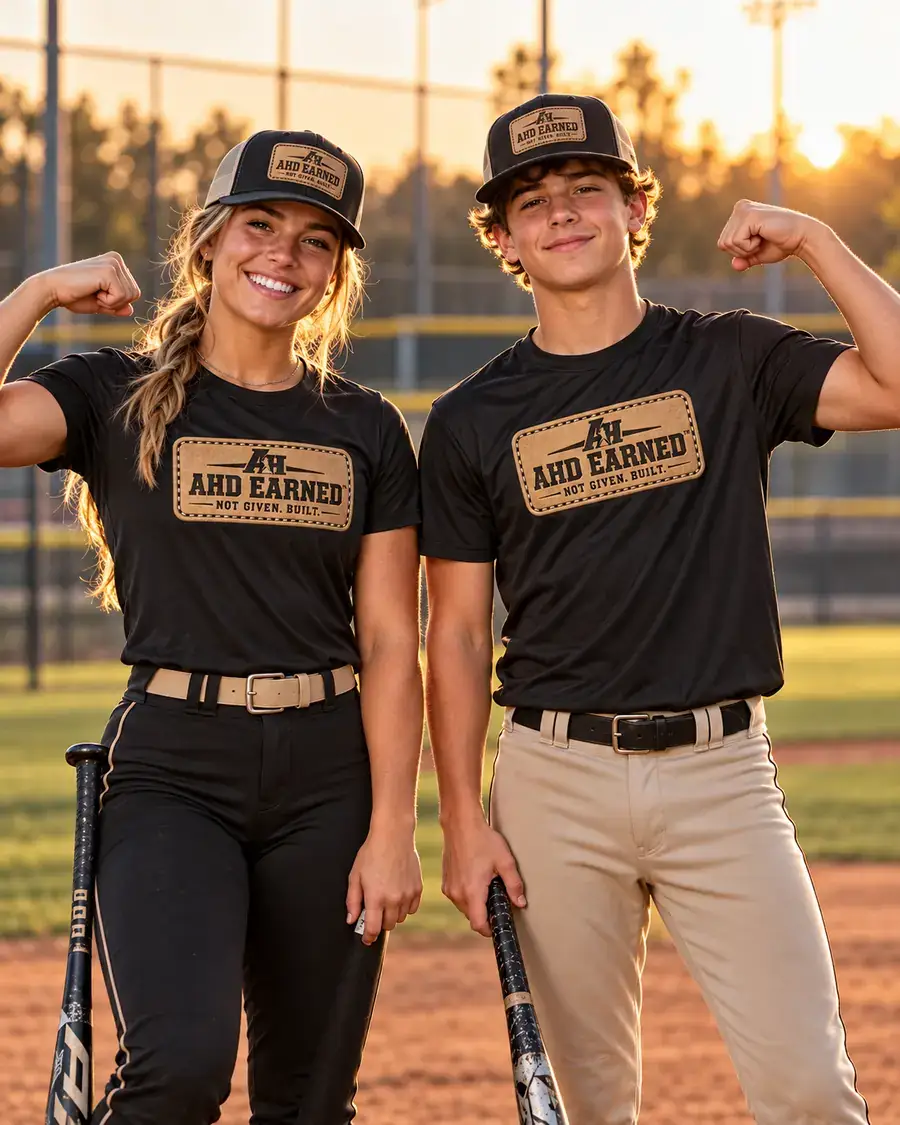
THELESSON.
- Fit the bat to the kid.
- Reps before hardware.
- Learn the why.
- Build the athlete.
- Find the #1 problem first.
- Keep it fun.
Complete Hitters Are Built…Earned.
8. Build the complete hitter
Don’t collect drills. Build a complete hitter.
Start free. Run the free SwingChecker™ hitting evaluation and find out what’s missing. It shows what your hitter is doing well and what needs work. Then try Lesson 1 of the AHD Complete Hitter Masterclass free. Compare every option on the AHD pricing page. When you want a plan built for your hitter, see online remote baseball and softball training with BK.
Source note: Facts and quotes come from Harriet Ryan’s Wall Street Journal article (Oct. 3, 2026) “Advanced Stats and $500 Bats: Why Baseball for 6-Year-Olds Is Breaking the Bank,” including data it cites from the Aspen Institute’s Project Play and the NCAA. The views here are AHD’s coaching perspective.
Quick answers
Is an expensive bat worth it for a youth hitter?
Usually not. A bat that fits the hitter’s size and strength matters far more than price. A $500 bat won’t fix a swing that drags or casts, and a young hitter will outgrow it fast. Spend on development before equipment.
Do young kids need advanced hitting stats?
Not at 6, 8 or 10. Young hitters need simple goals: see the ball, swing at strikes, make solid contact and stay athletic. Data is useful later, when there is a sound swing for it to measure.
What should parents spend money on in youth baseball?
In order: reps (playing catch, tee work, live pitching), a clear plan from a coach who teaches the why, and athletic development. Equipment that fits comes after those, not before.
How can a young hitter improve without spending a lot?
Hit off a tee and soft toss at home, play catch every day, play other sports for athleticism, and use free tools like a swing assessment to know what to work on first.
How much do private hitting lessons cost compared to AHD?
The Wall Street Journal reports private hitting coaches charging $150 to $200 an hour and training facilities charging $500 to $1,000 a month. Weekly lessons for 90 days run about $1,950 to $2,600. AHD’s Complete Hitter Masterclass is a one-time $250 with a year of access, the Whole System of seven masterclasses is $599, and SwingChecker is free.
What size bat should a youth hitter use?
The right length and weight for their size and strength, and legal for their league. A bat that’s too heavy because it was “the good one” makes the swing worse. Buy for the kid you have, not the player you hope they’ll be in three years.
This article is part of the AHD guide Youth Hitting Development. Start there for the full picture and every related article.