
By BK, Athletic Hitting Development
Complete Hitters Aren’t Born. They’re Built… and Earned.
Key takeaways
- ABS gave hitters a smaller, consistent strike zone, and MLB walks jumped to their highest full-season rate since 2009 (outside 2020).
- More walks did not mean more offense. On-base percentage went up while batting average stayed historically low.
- Hitters swung less, including at strikes in the zone, and lost the challenge battle to catchers.
- The winners knew the zone AND stayed aggressive on strikes. That’s a Hitting Processor skill, and it’s trainable.
ABS was good for MLB hitters at getting on base and bad for them almost everywhere else. The smaller, consistent zone pushed walks way up in 2026, but hitters swung less, lost most challenges to catchers, and batting average stayed near historic lows.
ABS was good for hitters’ walks and on-base percentage thanks to a smaller, consistent zone, but bad for the rest: swing rates dropped, catchers won more challenges, and hits stayed down. The winners knew the zone and stayed aggressive on strikes.
Train it: Hitting Processor → Free tool: Strike Zone Swings →Year one of the Automated Ball-Strike challenge system is in the books, and I’ve been watching it closely. Not because I care about robots and umpires. Because ABS ran a season-long experiment on the one skill I believe separates good hitters from great ones: swing decisions.
Here’s what the numbers say, what they mean, and what your hitter should take from it, whether his league ever uses ABS or not.
1. What Did ABS Actually Change About the Strike Zone?
The ABS zone is a flat rectangle across the middle of the plate. The top is set at 53.5% of the hitter’s height and the bottom at 27%. Every hitter gets his own zone, and it’s the same zone every night.
FanGraphs found the called zone got smaller compared with 2025, mostly at the top and on the edges of the plate. And here’s the part nobody planned for: umpires got stingier even when nobody challenged. Nobody wants to be overturned on the big screen.
Pitchers felt it. The share of pitches in the zone dropped from 50.7% to 47.2% early in the season.
One zone. Every night. No more guessing what the umpire likes.
ABS YEAR ONE
SMALLERZONE.
- Zone shrank up top and on edges
- Walks highest since 2009
- Swing rate fell to 46.2%
- Hitters won 47% of challenges
MORE WALKS. NOT MORE RUNS.
2. How Was ABS Good for Hitters?
- Walks exploded. In April the league walk rate hovered near 10%, a level MLB had topped only three times in its history. It settled as pitchers adjusted, finishing at 8.9%, the highest full-season mark since 2009 outside of 2020.
- On-base percentage went up. By midseason, batting average was down a point from 2025, but OBP was up five points, from .315 to .320.
- The top of the zone got smaller. That’s the high fastball that has eaten hitters alive the last few years. Less of it is a called strike now.
- Disciplined hitters got paid. When the zone is the same every night, a hitter who truly knows it has a real edge.
That last one is the big one for me. For decades hitters have had to adjust to whoever was behind the plate. ABS took that variable away. Now the zone is a fact, and the hitter who has trained his eyes to know it wins more counts.
3. How Was ABS Bad for Hitters?
- Hitters got passive. The league swing rate, which sat between 47.2% and 47.8% from 2021 to 2025, fell to 46.2%. Swings at pitches IN the zone dropped too.
- More walks didn’t mean more offense. ESPN’s early read was blunt: ABS produced walks, not runs. A depressed batting average on balls in play held hits down.
- Hitters lost the challenge battle. At one midseason count, hitters won 47% of their challenges and catchers won 60%. A catcher sees the whole game from the umpire’s view. A hitter gets a few seconds at the plate to decide.
- Strikeouts didn’t go away. Catchers flipped called balls into strike three, and taking hittable strikes leads straight to two-strike counts.
Taking a walk is good. Taking a strike you could have driven is not.
This is what worries me most when I watch young hitters copy the big leagues. They see walks going up and think the lesson is “take more pitches.” It isn’t. You gotta swing it to hit it.
4. What’s the Real Lesson for Young Hitters?
The hitters who won under ABS did two things at once. They knew the zone, so they laid off the pitch an inch off the plate. And they stayed aggressive and athletic on the strike they could drive. Heater or hanger, they were ready to hit it.
The hitters who lost did one or the other. Some kept chasing. Others overcorrected and started watching good pitches go by. Both are decision problems, not swing problems.
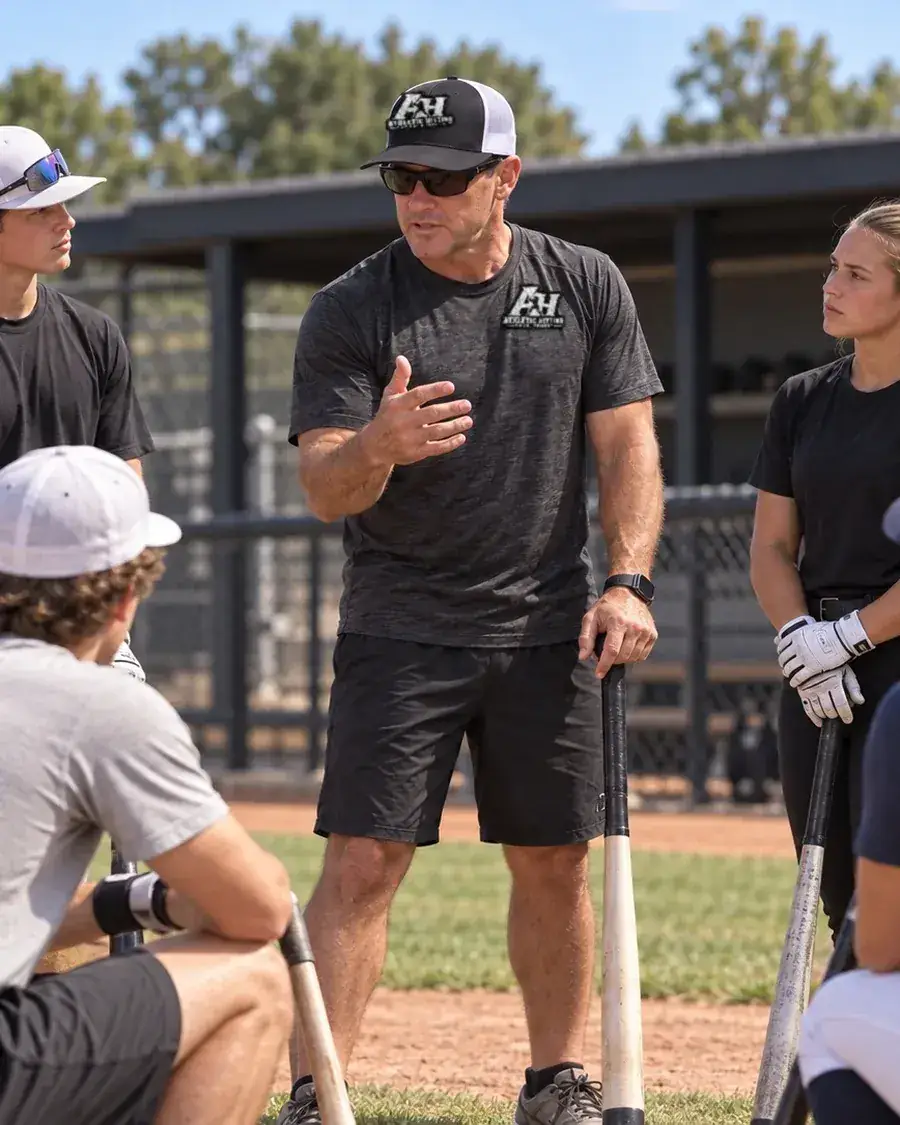
That’s why the Hitting Processor is one of the 4 Pillars of a Complete Hitter at AHD: See It → Recognize It → Time It → Decide → Attack It. A hitter with a great swing and Mechanically Advantaged Angles (MAA) still needs to put that swing on the right pitch. As I’ve written before, plate discipline is a skill. It gets trained daily, just like the swing.
THELESSON.
- Know your zone
- Hunt your pitch early
- Attack strikes, take balls
- Score decisions daily
Complete Hitters Are Built…Earned.
5. How Do You Train a Hitter to Know the Zone?
- Learn your own zoneHave your hitter stand in the box and mark the top and bottom of his zone on a net or fence. Most young hitters think their zone is bigger than it is.
- Call every pitchIn front toss and live BP, the hitter calls ball or strike out loud before contact or the take. Track how many he gets right.
- Pick a hitting zone early in the countWith fewer than two strikes, he hunts one area he can drive and takes everything else. That’s aggressive, not passive.
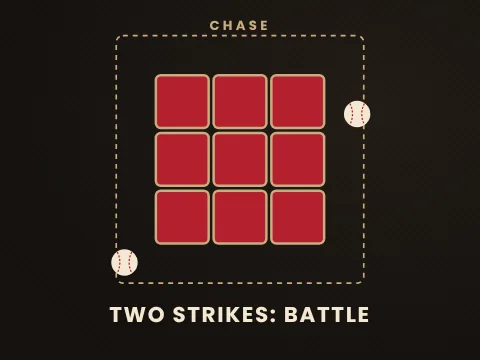
- Expand smart with two strikesWith two strikes, the job changes. Protect the zone and compete. Our two-strike approach breaks this down.
- Score decisions, not just hitsA good take and a hard swing on a strike are both wins. A chase and a frozen strike are both losses.
Want a quick start at home? Try the free Strike Zone Swings game, then run the free SwingChecker™ to see whether the swing or the decision is your hitter’s top priority right now.
6. Should Amateur Hitters Care About ABS?
Yes, even if they never see it. ABS just proved at the highest level that hitters who own the zone get more good counts. Your hitter faces umpires who miss calls every weekend, and that makes owning the zone matter MORE, not less.
The goal hasn’t changed. Know the zone. Hunt your pitch. Be on time. Attack it with controlled violence. If you want the full daily plan, the Hitting Processor course builds it lesson by lesson, and Lessons 1–3 are free. It’s a great day to hit!!
Want to go deeper? Read Swing Decisions Are a Skill and Why Your Kid Swings at Bad Pitches (and How to Fix It).
Quick answers
Is ABS good or bad for hitters?
Both. The smaller, consistent zone pushed walks and on-base percentage up in 2026, but hitters swung less, lost most challenges to catchers, and scoring and batting average did not rise much.
Is the ABS strike zone smaller?
Yes. It is a flat rectangle from 27% to 53.5% of the hitter’s height, and it called fewer strikes at the top and on the edges of the plate than umpires did in 2025.
Why didn’t more walks lead to more runs in 2026?
Hitters swung less, including at strikes, and balls in play fell for hits at a very low rate. Walks went up, but hits did not.
How can my kid get better at knowing the strike zone?
Train decisions daily: call balls and strikes out loud in practice, hunt one hittable zone early in the count, and score good takes and aggressive swings on strikes as wins.
Sources: FanGraphs: More Walks, More Runs — offense with the arrival of ABS (zone dimensions) · OutKick: ABS strike zone changes and walk rate (FanGraphs zone research) · ESPN: Early-season stats — walk rate and zone rate · ESPN: What we’ve learned so far about ABS · MLB.com: Takeaways from the first half of 2026 · MLB.com: ABS challenge data breakdown · CBS Sports: ABS leaderboard and league trends · RotoWire: 2026 league-wide trends
Don’t collect drills. Build a complete hitter.
Complete Hitters Aren’t Born. They’re Built… and Earned.