By BK, Athletic Hitting Development
Complete Hitters Aren’t Born. They’re Built… and Earned.
Key takeaways
- The best speed is usable speed: bat speed you can produce while still finding the baseball.
- Speed comes from the body first. Train rotation, sequence and intent, then the bat follows.
- Six drills cover it: intent swings, overload/underload, rotational med ball throws, step-behind swings, connection work and game-speed front toss.
- If your hitter is only fast in the cage, the problem may be timing, not bat speed. Test it before you train it.
The best bat speed drills train the body to rotate hard, in sequence, with INTENT, and then prove it against a moving ball. Swinging a bat fast in empty air is easy. Swinging it fast and still finding the baseball is the job.
The best bat speed drills are intent swings, light overload and underload swings, rotational med ball throws, step-behind swings, connection swings and game-speed front toss. Train them early in a session two or three times a week, measure the same way each time, and make sure the speed shows up against a moving ball.
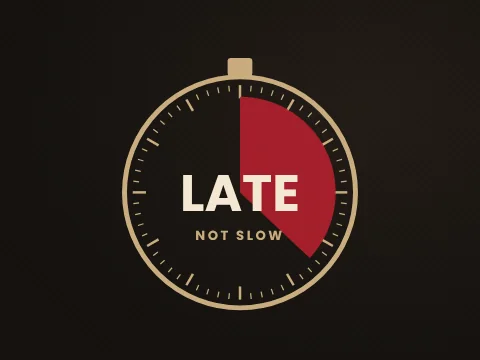
Train it: Athletic Development → Free tool: Exit Velocity & Bat Speed Calculator →Every week a parent asks me how to make their hitter swing faster. Good question. But here's the honest truth: a lot of hitters who look slow in games aren't slow at all. They're late. Different problem, different fix.
So this post does two things. It gives you the six drills I trust for building real bat speed, and it shows you how to tell whether bat speed is even the problem. Don't collect drills. Build a complete hitter.
1. What is usable bat speed?
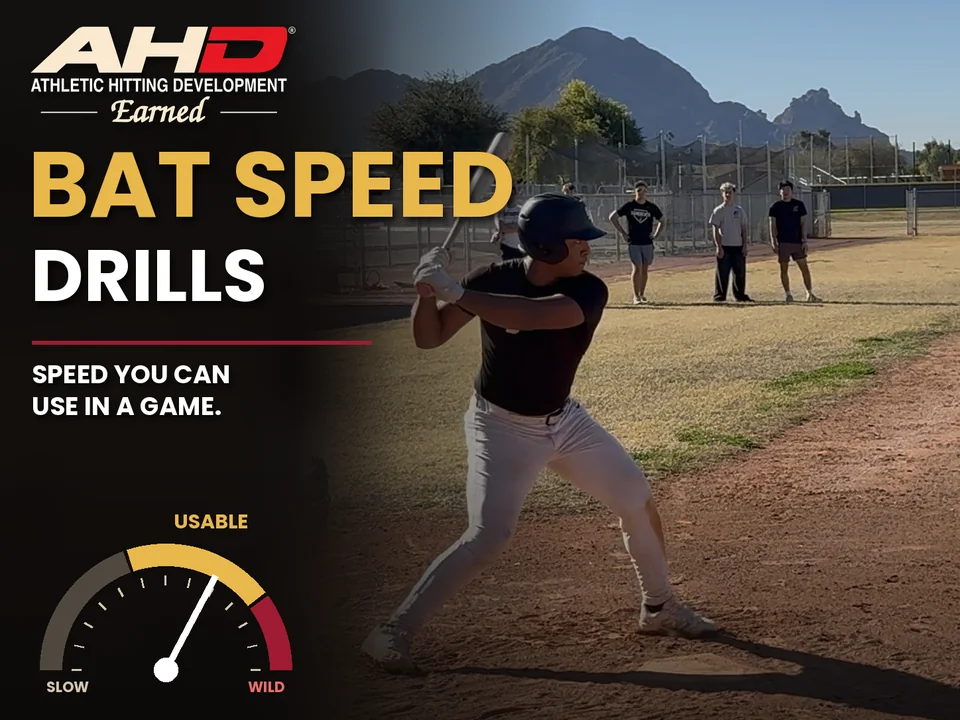
Bat speed matters. Harder swings make harder contact, and harder contact finds grass. But the job isn't to swing as fast as possible in empty space. The job is to organize the body and bat so the hitter can accelerate and still put the barrel on the ball.
The best speed is USABLE speed.
Usable speed comes from the ground up. The legs and hips start it, the torso builds it, and the hands and barrel deliver it. When the order is right, the bat gets fast without the hitter muscling it. That's what I mean by controlled violence: aggressive and athletic, but organized. It's also why AHD hitters work to get into Mechanically Advantaged Angles (MAA), so the body can actually deliver the force it builds.
USABLE SPEED
FASTAND ON TIME.
- Legs and hips start it
- Torso builds it
- Hands deliver it
- Speed you can use in a game
THE BEST SPEED IS USABLE SPEED
2. Is it really bat speed, or is it timing?
Before you train speed, test it. A hitter who smokes the ball off a tee and fouls everything back in games usually doesn't need more speed. He needs to start on time. I wrote about this in Bat Speed Isn't Timing.
- Fast off the tee, late in games. Likely timing. Train the Hitting Processor first.
- Slow off the tee AND in games. Likely real bat speed. Train the drills below.
- Fast early in the session, slow late. Strength and conditioning. Build the engine.
- Fast swing, weak contact. Likely path or contact point. Run SwingChecker™.
Not sure which one you have? Run the free SwingChecker™. It ranks your hitter's top priority across all four pillars in about three minutes.
3. 6 bat speed drills that transfer to games
- Intent swings (max effort sets)Five swings at full intent off a tee, rest 30–45 seconds, 3 sets. Cue: “Swing like you mean it.” Most hitters never practice swinging at 100 percent. Quality over quantity: stop when the speed drops.
- Overload / underload swingsAlternate a slightly heavier bat, a slightly lighter bat and your game bat, a few dry swings each, 2–3 rounds. Keep the change small and mechanics clean. Finish with the game bat. If the heavy bat changes the swing, it's too heavy.
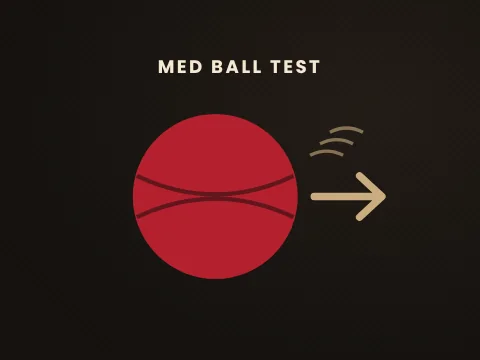
- Rotational med ball throwsSide-on to a wall, light med ball, load into the back hip and throw it hard into the wall. 2–3 sets of 5 each side. Cue: “Hips first, then let it go.” This trains the same rotational order as the swing.
- Step-behind swingsFront foot steps behind the back foot, then stride and swing. 2 sets of 6 off a tee. It teaches the body to move forward and gain speed into launch instead of swinging from a dead stop.
- Connection swingsHold a small towel or ball under the lead arm and swing without dropping it, then remove it and swing at full speed. 2 sets of 5. It keeps the arms connected to the turning body so the speed transfers to the barrel.
- Game-speed front tossFirm front toss from behind a screen, mixing speeds. 3 rounds of 8. Cue: “Fast AND on time.” This is the transfer test: speed has to show up against a moving ball.
Always warm up first. Use a screen for front toss, keep med ball work at a safe distance, and stop if anything hurts. These are drills that serve a plan, not a pile.
4. How often should you train bat speed?
Two or three short sessions a week is plenty for most high school and college hitters. Put the speed work at the START of a session, while the body is fresh. Tired swings teach slow swings.
| Day | What to do | Time |
|---|---|---|
| Day 1 | Intent swings + med ball throws | 15–20 min |
| Day 2 | Overload/underload + connection swings | 15–20 min |
| Day 3 | Step-behind swings + game-speed front toss | 15–20 min |
Bat speed also needs an engine. Strength, speed and power are their own pillar for a reason. If your hitter has never trained the body, start with the Athletic Development course. Lesson 1, Test Day, is free.
5. How do you measure bat speed progress?
If nothing is measured, nothing is managed. Pick one way to measure and stick with it: a bat sensor, a radar on exit velocity, or a rotational med ball throw tested the same way every time. The rotational med ball test is a great one because it measures the body, not just the bat.
Log your numbers in the free bat speed calculator and retest every few weeks. Compare your hitter to himself, not to a chart. If you want a ballpark, see bat speed by age.
THELESSON.
- Test first: speed or timing?
- Train speed early, while fresh
- Measure the same way every time
- Prove it against a moving ball
Complete Hitters Are Built…Earned.
6. Bat speed mistakes I see every week
- Swinging a heavy bat in the on-deck circle and calling it training. See the on-deck donut myth.
- Muscling it with the arms. Speed starts in the legs and hips.
- Training speed while exhausted. Do it first, not last.
- Chasing speed and losing the ball. Fast and on time, or it doesn't count.
Want the full picture on building power from the ground up? Read how to increase bat speed with rotational power. Then go train. It's a great day to hit!!
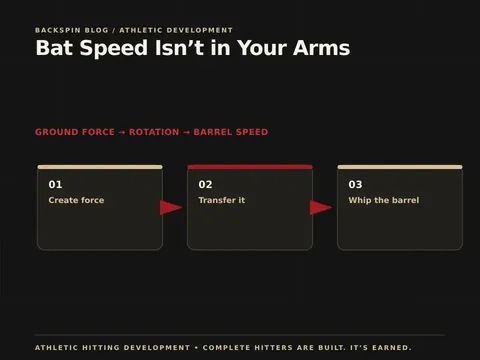
Want to go deeper? Read Bat Speed Isn’t in Your Arms and Bat Speed Isn’t Timing: Why Late Can Look Like Slow.
Quick answers
What is the best drill to increase bat speed?
There isn't one magic drill. Intent swings, light overload and underload work, and rotational med ball throws together train the body to rotate hard and in order, which is where bat speed comes from.
Do weighted bats increase bat speed?
Small changes in bat weight, used in short sets and finished with the game bat, can be part of a plan. Heavy bats that change the swing, or swinging a donut on deck, are not the answer.
How long does it take to increase bat speed?
It depends on the hitter's strength, age and training. Measure the same way every few weeks and compare your hitter to himself; steady improvement over a season is the goal.
Why is my bat speed good in the cage but slow in games?
Usually that's timing, not bat speed. A hitter who starts late looks slow. Train recognition and timing daily, and test whether speed shows up against live or firm front toss.
Don’t collect drills. Build a complete hitter.
Complete Hitters Aren’t Born. They’re Built… and Earned.