By BK, Athletic Hitting Development
Complete Hitters Are Built… It’s Earned!
Key takeaways
- Judge a swing change by whether it solves a specific problem without creating two more.
- Start with what happens in competition, not with a drill.
- Change one thing at a time and test it under increasing difficulty.
- Use a 10-swing sample. The pattern is more honest than emotion.
When results are bad, every hitter wants to change something.
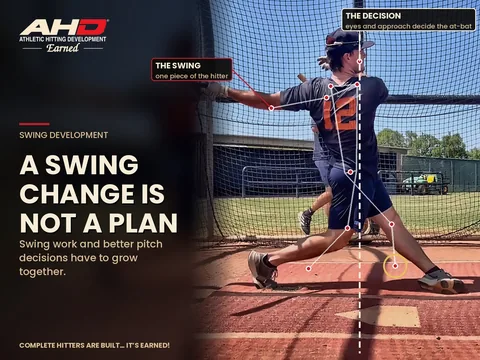
A swing change is working when it solves the specific problem you started with without creating two more. Capture a baseline, change one thing, raise the difficulty from tee to live pitching and judge it on a 10-swing sample, not on one swing or a feeling.
Train it: Swing Structure & Mechanics Masterclass →The hands feel late. The stride feels too long. The barrel feels steep. Someone sees a clip online, someone offers a cue, and suddenly the hitter is rebuilding the swing on Tuesday and competing on Friday.
That’s how hitters get lost.
1. New isn’t the same as better
In an October MLB.com interview, Yankees No. 1 prospect Dax Kilby talked about playing in the Arizona Fall League and the change he’s made to his swing. It’s a good reminder for every level: a swing change should never be judged because it’s new. It should be judged by whether it solves a specific problem without creating two more.
2. Start with the problem, not the drill
“I want more bat speed” isn’t a complete problem. “I want a flatter path” isn’t either. Start with what happens in competition:
- Is he late to the fastball?
- Is he early and pulling off spin?
- Does he dump the barrel below the baseball?
- Does he lose balance or body control?
- Does he struggle at one location?
- Does it only show up against live pitching?
One clear problem creates one useful experiment. For example: “The hitter loses his athletic position and dumps the barrel on elevated fastballs.” Now you have something to test.
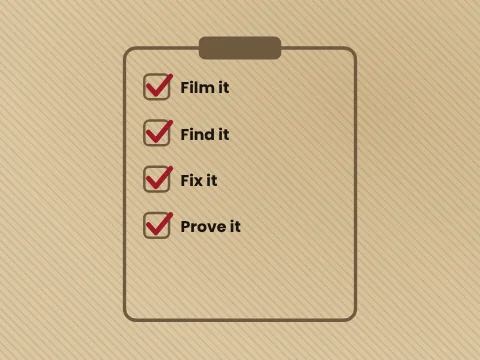
3. The AHD 4-step test
- Capture the baselineBefore changing anything, save a few swings from the same angle: tee, front toss, and game or machine video if you have it. You need to know what he did before.
- Change one thingDon’t stack cues. If he’s working on staying athletic longer, don’t also widen the stride, lower the hands, turn the back knee and swing harder. You won’t know what helped or hurt.
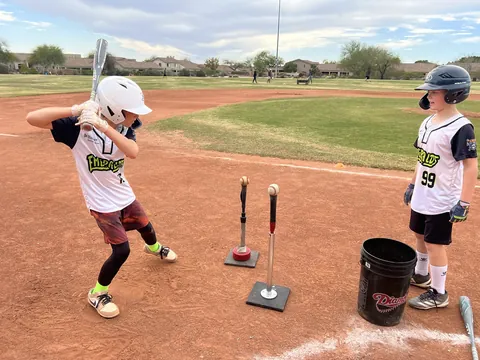
- Raise the difficultyTest the move in a controlled drill. Then add location. Then speed. Then pitch-type uncertainty. A change that only survives the tee isn’t ready for the game.
- Review outcome and movementDid he solve more of the original problem? Did he keep or improve his ability to see, decide and adjust? You need both answers.
A hitter who looks cleaner but can’t compete isn’t finished.
THE 4-STEP TEST
CHANGEONE THING.
- Capture the baseline.
- Change one thing.
- Raise the difficulty.
- Review outcome + movement.
NEW ISN’T THE SAME AS BETTER.
4. What SwingChecker should show
SwingChecker™ isn’t meant to hand hitters a list of every imperfection. It finds the biggest priority, then gives the hitter a way to see whether the work is helping. For a swing-change checkpoint, compare before and after on:
- Athletic setup and balance.
- Gather/load and the stride or forward move.
- Launch position and barrel height.
- Contact window and extension.
- Staying athletic through the finish.
Then connect the video to a real question: did he make a better decision on the pitch he got?
5. The 10-swing rule
Don’t declare victory after one great swing. Don’t throw away a good idea after one bad one. Use a 10-swing sample in a defined task and mark each swing for:
- Decision: good or poor.
- Athletic position: held or lost.
- Barrel: above the ball or dumped early.
- Contact quality.
- Adjustment to location or speed.
The pattern is more honest than emotion.
6. A better way to change
The goal isn’t a prettier swing. It’s a hitter with Mechanically Advantaged Angles (MAA): a bigger margin for error for solid contact, more force when he finds the ball and a better bat-to-ball angle in the game.
Make the smallest change that solves the biggest problem. Test it honestly. Keep it only if it makes the hitter more complete.

TEST IT.HONESTLY.
- One problem.
- One change.
- 10 swings.
- Keep it if it competes.
- Drop it if it doesn’t.
Complete Hitters Are Built…Earned.
Quick answers
How long should a hitter try a swing change before judging it?
Judge it on a defined 10-swing sample in a specific task, not on one great or bad swing. Then keep testing it as difficulty rises from tee to live pitching.
Should a hitter work on more than one swing change at a time?
No. Change one thing so you know what helped or hurt. Stacking cues makes it impossible to tell.
How do I know if a swing change is working?
Ask two questions: did it solve more of the original problem, and did the hitter keep or improve his ability to see, decide and adjust? You need yes on both.
What should I film to check a swing change?
Capture a baseline from the same angle before the change, then compare setup, load and stride, launch position, contact window and finish. SwingChecker helps find the first priority.
Why does a swing change look good off the tee but fail in games?
Because a change that only survives the tee isn’t ready yet. Test it in a controlled drill, then add location, then speed, then pitch-type uncertainty. A hitter who looks cleaner but can’t compete isn’t finished.
Inspired by: MLB.com, “Dax Kilby on playing in Fall League, swing change” (Oct. 5, 2026). This is an AHD testing framework, not a claim about Kilby’s specific mechanics.
Don’t collect drills. Build a complete hitter.
Complete Hitters Are Built… It’s Earned!
This article is part of the AHD guide Baseball Swing Mechanics. Start there for the full picture and every related article.