By BK, Athletic Hitting Development
Complete Hitters Aren’t Born. They’re Built… and Earned.
Key takeaways
- College pitchers are better because they combine weapons: a placed fastball, off-speed in any count and a plan.
- Prepare in order: see it, recognize it, time it, decide, attack it. A hitter who decides before he recognizes calls it a timing problem.
- Use your senior spring and the summer before campus to train the read daily and face the best arms you can find.
- Build a simpler plan, not a bigger one. Know your zone, see it early, be on time.
To prepare for college baseball pitching, train the Hitting Processor every day in the months before you get to campus: see the ball out of the hand, recognize speed and shape, get on time, decide yes or no, then attack. Face the best pitching you can find, and go in with a simple plan, not a rebuilt swing.
Prepare for college pitching by training the Hitting Processor daily before you get to campus: see it, recognize it, time it, decide, attack it. Face the best arms you can find the summer before, plan every count and go in with a simple plan, not a rebuilt swing.
Train it: Hitting Processor → Free tool: Chase Tool →This post is about the runway: your senior season, the summer and the weeks before your first fall. Once you’re on campus and facing college arms, read how to adjust to college pitching. The hitters who adjust fastest usually started preparing before they ever got there.
I coached college baseball. The freshmen who struggled least weren’t always the most talented. They were the ones who showed up already used to making fast decisions.
1. Why is college pitching so much better?
Most college pitchers can combine weapons. The fastball isn’t just fast; it’s located. The breaking ball isn’t just a breaking ball; it’s thrown after something else, in a count, with a purpose. A hitter who only trained his swing has to guess his way through that.
COLLEGE ARMS
THEYCOMBINE.
- A located fastball
- Off-speed in any count
- Pitches that tunnel
- A plan for you
BETTER IS ORGANIZED
2. What should a hitter train first?
Train the process, in order. Most rushed swings start before the hitter has enough information.
- See itPick up the ball out of the hand, not halfway to the plate.
- Recognize itRead speed, spin and likely location early.
- Time itGet the gather and launch on time for that speed.
- DecideYes or no, while there’s still time to act on it.
- Attack itIf it’s yours, swing with intent.
Decide late, and everything after it rushes.
A hitter who decides before he recognizes often calls it a timing problem. Sometimes it’s a processing problem showing up in timing. The free Early Recognition tool trains that first read, faster every rep.
3. What does the year before college look like?
| When | Focus |
|---|---|
| Senior fall and winter | Honest assessment, swing cleanup, strength base, daily Processor reps |
| Senior spring | Compete. Keep 5–10 minutes of Processor work a day. Take notes on what beat you. |
| Summer before campus | Face the best arms you can find. Count plans. Film at-bats, not just swings. |
| Two weeks before fall | Freshen up, don’t overhaul. Trust what you built. |
If you’re weighing a summer league against a training block, read college summer ball vs offseason training. Either way, keep the swing pieces honest: the Mechanically Advantaged Angles (MAA) that keep the barrel inside and above the ball buy you the time better pitching takes away.
4. How should you plan at-bats against college pitchers?
Know what you’re hunting in each count before you step in.
- 0–0 and ahead. Hunt your pitch in your zone. If it’s there, it’s yours.
- Behind. Widen the zone a little, stay on the fastball, react to spin.
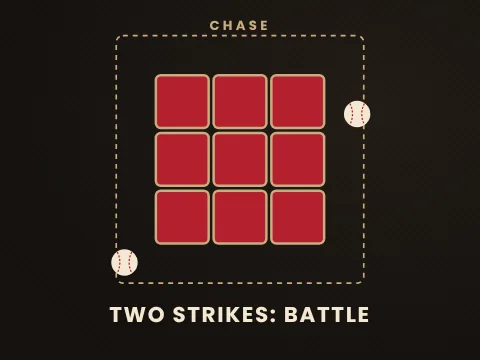
- Two strikes. Battle. See the two-strike approach.
- After the at-bat. Write down what he threw and what beat you. Train that answer tomorrow.
“Pitchers are basically pizza delivery guys.” He’s just delivering it. Your job is to be loaded and on time when it shows up.
THELESSON.
- Train the read daily
- Face the best arms
- Plan every count
- Freshen up, don’t overhaul
Complete Hitters Are Built…Earned.
5. Should a hitter change his swing before college?
Usually not a full rebuild. Against better pitching, hitters fill their heads with more mechanics, more scouting notes and more fear of getting beat. Build a simpler plan instead: know the zone you want, see it early, be on time and trust the swing you built.
“The ball ain’t changing shape, I promise ya that.” Same ball, harder thrower. Your swing still works if your read is early.
Not sure what to fix before you go? A free SwingChecker™ ranks your top priorities, and the Hitting Processor course trains the read in a few minutes a day. For the full four-pillar picture, see the college baseball hitting guide.
Want to go deeper? Read How to Adjust to College Pitching (A Hitter’s Plan) and Summer Ball vs Offseason Training: Which Makes a Better Hitter?.
Quick answers
When should I start preparing for college pitching?
Start your senior fall if you can, and no later than the summer before your freshman fall. Pitch recognition improves with daily short reps over months, not a crash week.
How do I practice hitting better pitching if I don’t face it?
Mix speeds in front toss, use machine or live rounds at shorter distance, score yes/no decisions and use phone tools that train early recognition. Then face the best arms you can find in the summer.
Should I change my swing before college?
Usually not. Clean up the first real gap, but go in with the swing you trust and a simple plan. A rebuild right before fall usually makes the jump harder.
What is the hardest part of college pitching for freshmen?
Off-speed in any count and better fastball command. Freshmen who never had to decide fast often look late when the real problem is a late read.
Don’t collect drills. Build a complete hitter.
Complete Hitters Aren’t Born. They’re Built… and Earned.