By BK, Athletic Hitting Development
Complete Hitters Aren’t Born. They’re Built… and Earned.
Key takeaways
- Summer ball’s real value is quality live at-bats, and quality live at-bats come from pitching depth.
- There is NOT enough pitching for this many summer leagues, so a lot of summer at-bats come against arms that won’t make a hitter better.
- A league with deep pitching gives a hitter something a cage can’t: game-speed decisions against real stuff, day after day.
- If the league is thin on pitching, a good offseason training block, with a plan and live work built in, will probably develop the hitter more.
Summer ball beats offseason training only when the league has real pitching depth, because quality live at-bats are the one thing a cage can’t give you. If the pitching is thin, a good offseason training block will build a better hitter.
Summer ball beats offseason training only when the league has real pitching depth, because quality live at-bats are what a cage can’t give you. In a league thin on pitching, a good training block with live work built in will usually build a better hitter.
Train it: Hitting Processor → Free tool: Pitch Recognition Trainer →I came across a great chart ranking the 2026 summer collegiate leagues in six tiers, from the elite leagues at the top down to developmental and local leagues at the bottom. Twenty-eight leagues on that chart, and there are many more collegiate summer baseball leagues that aren’t even on it.
Here’s my take, blunt: there is NOT enough pitching for this many leagues. That one fact should drive every college hitter’s summer decision.
1. Why does pitching depth decide if summer ball is worth it?
A hitter doesn’t go to summer ball for the uniform or the host family. He goes for at-bats. And an at-bat is only as good as the arm on the other side.
Pitching depth gives quality live at-bats.
Every summer league needs a full staff on every team, every night, all summer. Spread the good arms across that many leagues and that many teams, and the math runs out. The top of a rotation may be legit. By the middle of the week, a lot of hitters are seeing guys who wouldn’t pitch in a college game.
Hitting off weak pitching isn’t free reps. It can teach bad timing, bad decisions and a swing that only works against slow stuff. Then fall comes and the hitter is behind real velocity again.
2. What are the benefits of playing summer ball?
When the pitching is there, summer ball is hard to beat. Here’s what a deep league gives a hitter that training can’t fully copy:
- Quality live at-bats. Real velocity, real spin, real sequences, with something on the line.
- Game-speed decisions, every day. See it, time it, decide, attack it, against arms that make you pay for a bad read.
- Volume of at-bats. A full summer of games is a lot of trips to the plate in a short window.
- Adjusting to new arms. New pitchers every night means learning to read and adjust fast, the way you have to in conference play.
- Exposure. Good leagues get seen. Playing well against good pitching is film and a reputation that travel.
SUMMER BALL
PITCHING DEPTHDECIDES IT.
- Quality live at-bats
- Game-speed decisions daily
- New arms every night
- Exposure in strong leagues
- Only if the pitching is real
NOT ENOUGH PITCHING FOR ALL OF IT
Facing better arms is also where a hitter learns there’s nothing to be scared of. As I tell every hitter moving up a level: “The ball ain’t changing shape, I promise ya that.” Harder thrower, same ball, same swing, same plan.
3. What are the benefits of an offseason of training instead?
A summer of training isn’t a summer off. Done right, it’s the time a hitter actually gets better instead of just getting through a schedule. A season is about competing. An offseason is about building.
- Fix the swing for real. Mechanics change during a season gets put on hold because there’s a game tonight. In a training block you can build the swing and the Mechanically Advantaged Angles (MAA) AHD hitters have, and own them.
- Get stronger and more explosive. Bat speed is built in the weight room and with intent, and it’s hard to do while playing six nights a week and riding a bus.
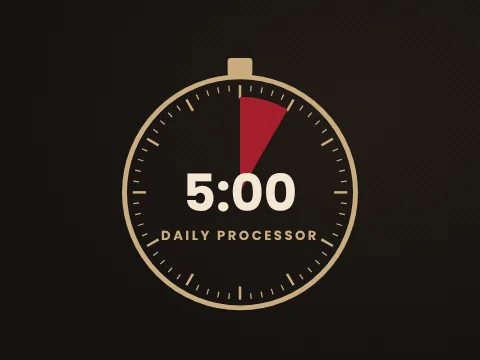
- Train the Hitting Processor daily. Pitch recognition and decisions can be trained on purpose every day, not just hoped for in games.
- Rest what’s banged up. A long spring plus a long summer adds up. Some hitters need the body back more than they need more games.
The catch: good offseason training has to include live work. A hitter who only hits off a tee and front toss all summer will be behind when he sees real velocity in the fall. Build in live at-bats, high velo machine work and game-speed decisions.
4. How should a college hitter decide: summer ball or training?
Ask one question first: Will I see quality pitching most nights? Then work through the rest.
| If this is true… | Lean toward |
|---|---|
| The league has real pitching depth, top to bottom | Summer ball |
| The swing needs a real rebuild | Training |
| He needs strength and bat speed first | Training |
| He needs at-bats and game reps against good arms | Summer ball (deep league) |
| The league is thin on pitching | Training with live at-bats built in |
| He needs to be seen and the league is strong | Summer ball |
Talk to your college coach too. Many programs have a plan for each player’s summer, and the right answer can change from one year to the next.
5. Can a hitter play summer ball and still train?
Yes, and the best ones do. Summer ball doesn’t mean the development stops. It means the work gets shorter and smarter.
- Keep a short daily routineTen to twenty minutes of swing work before you get to the park keeps the swing from drifting over a long summer.
- Lift twice a weekShort, heavy, explosive. Enough to hold strength and bat speed, not enough to be sore at game time.
- Train the Processor dailyA few minutes of pitch recognition every day, even on the road.
- Film your game at-batsSame angles every time, so you and your coach can see what changed.
- Own every at-batTreat every live at-bat as the gift it is, especially against a good arm.
THELESSON.
- Check the pitching first
- Deep league: go get at-bats
- Thin league: train with a plan
- Build live work into training
- Keep a daily routine either way
Complete Hitters Are Built…Earned.
And when the pitching in your league isn’t great, don’t let the at-bats make you lazy. “Any pitcher, and I mean every pitcher, is meat.” Expect to hit him, and keep your standard high so your timing is ready when the good arm shows up.
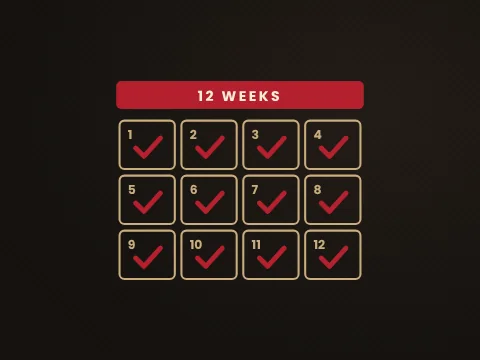
Not sure what your hitter needs most this summer? Start with the free SwingChecker™ to find his top priority across the 4 pillars. If he’s training, the 12-week offseason hitting plan lays out the phases, and the free first Hitting Processor lesson starts the daily decision work. For the full build, the Complete Hitter Masterclass covers all 4 pillars.
Want to go deeper? Read Offseason Hitting Plan: 12 Weeks From Fall to Tryouts and What College Coaches Look For in a Hitter.
Quick answers
Is summer collegiate baseball worth it for hitters?
It is when the league has real pitching depth, because quality live at-bats against good arms are hard to get any other way. In a league that is thin on pitching, a good training block may develop a hitter more.
Should I play summer ball or train in the offseason?
Start with the pitching. If you will see quality arms most nights, play. If your swing needs a rebuild, you need strength and bat speed, or the league is thin on pitching, train with a plan that includes live at-bats.
Why is there not enough pitching for summer leagues?
There are a lot of summer leagues and every team needs a full staff all summer. The good arms get spread thin, so many at-bats come against pitchers who won’t challenge a college hitter.
Can you play summer ball and still get better as a hitter?
Yes. Keep a short daily swing routine, lift a couple of times a week, train pitch recognition daily and film your game at-bats so the summer builds you instead of just keeping you busy.
Don’t collect drills. Build a complete hitter.
Complete Hitters Aren’t Born. They’re Built… and Earned.