By BK, Athletic Hitting Development
Complete Hitters Are Built… It’s Earned!
Key takeaways
- A softball changeup is built to look like a fastball out of the hand and arrive later, so the hitter is out front and off balance.
- Read the release. Slower arm action, a different grip or a ball that floats up out of the hand are common tells.
- Time the fastball, but keep the hands and barrel back long enough to adjust; the legs can start while the hands wait.
- Changeup recognition is a Hitting Processor skill: see it, recognize it, time it, decide, attack it, trained DAILY.
To hit a changeup in softball, time the fastball but keep your hands and barrel back long enough to adjust, read the release for the tell, and drive the ball to the middle or opposite field. Hitters who commit their hands early end up out front and roll it over or swing through it.
To hit a softball changeup, time the fastball but keep your hands back after your stride lands, read the release for a tell, and hit it to the middle or opposite field. Train pitch recognition daily so you see it early.
Train it: Off-Speed / Spin →The changeup doesn’t beat hitters with movement. It beats them with timing. It looks like a fastball and shows up late.
I coached high school and college softball in Arizona and Texas for 30 years. The hitters who handled the changeup weren’t guessing. They had a plan, and they’d trained their eyes for it every day.
1. What does a changeup do in fastpitch softball?
A changeup is thrown with a motion that looks like the fastball, but the ball comes in noticeably slower. Many changeups also sink or drop a bit as they arrive.
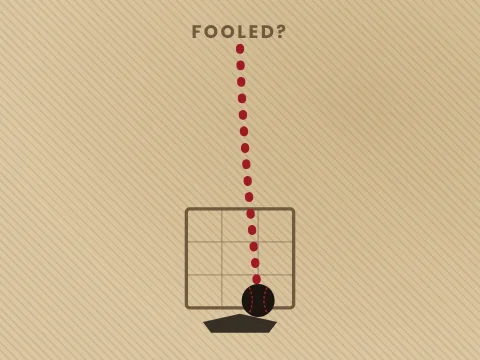
The hitter’s body reads “fastball” and starts the swing. The ball isn’t there yet. She’s out front, her weight is gone, and the barrel arrives early.
Add the short distance. Most high school and college pitchers throw from 43 feet, and a 70 mph pitch gives roughly the reaction time of a mid-90s baseball fastball. Hitters have to start early against the fastball, which is exactly what a good changeup punishes.
2. Why do hitters get fooled by the changeup?
In my experience, it comes down to three things:
- All-or-nothing timing. The hitter’s load, stride and swing are one move. Once it starts, it can’t wait.
- The hands go with the stride. When the front foot lands, the hands fire. Against a changeup, that’s early every time.
- No read on the release. She’s seeing a ball, not a pitch type. By the time she knows it’s slow, it’s too late.
For the bigger picture on off-speed, read Why Hitters Get Fooled by Changeups & Curveballs.
THE CHANGEUP PLAN
LAND EARLY.HANDS WAIT.
- Time the fastball
- Read the release
- Middle and opposite field
- Take the low one early
LET IT TRAVEL
3. How do you recognize a changeup out of the pitcher’s hand?
Every pitcher is different, but these are tells I’ve seen over and over:
- Arm speed or body tempo slows. Some pitchers ease up on the changeup without realizing it.
- A different grip or hand position. Watch the glove and the hand at the top of the circle.
- The ball floats up out of the hand. Many changeups come out on a higher arc than the fastball.
- A different release. Some pitchers flip, push or turn the ball over at the hip.
Use the first at-bat and the dugout to find her tell. Then share it. That’s the Hitting Processor at work: see it, recognize it, time it, decide, attack it.
4. How do you stay back on a changeup without being late on the fastball?
Let the legs go. Make the hands wait.
You can’t sit on the changeup and still hit the fastball. So time the fastball, and build a swing that can wait.
- Start early and land early.Get the front foot down on time for the fastball so you’re never rushed.
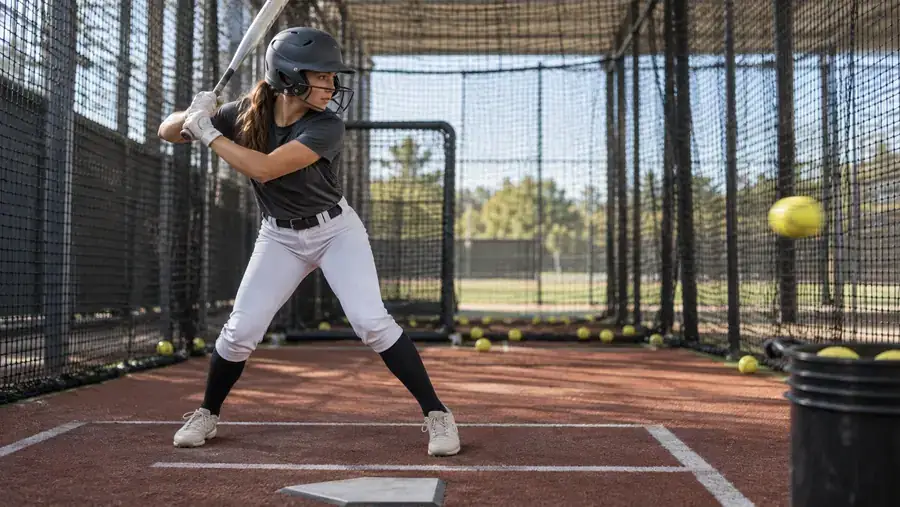
- Keep the hands back after landing.The stride can finish while the hands and barrel stay loaded for a beat longer.
- Look middle and opposite field.A middle-away approach keeps the barrel in the zone longer and buys time on slower pitches.
- Let a low changeup go early in the count.Many changeups finish down; the one at the knees or below is the pitcher’s pitch.
This is where swing structure matters. AHD hitters build Mechanically Advantaged Angles (MAA), body and bat positions that let them land, wait and still deliver the barrel with force. For more on adjusting, see Hitting Timing, Decisions & Adjustments.
5. How is the changeup different from the rise ball and drop ball?
| Pitch | How it beats you | Hitter’s plan |
|---|---|---|
| Changeup | Speed: looks like a fastball, arrives late | Time the fastball, keep the hands back |
| Rise ball | Backspin: drops less than you expect, may climb | Lay off the one above the hands, attack it down |
| Drop ball | Topspin: thrown down through the zone | Stay through it, make her bring it up |
Good pitchers pair the changeup with the rise and the drop. Read the full plans in How to Hit a Rise Ball and How to Hit a Drop Ball.
6. What drills help a hitter hit the changeup?
Don’t collect drills. Train the read and the wait, a few minutes every day.
- Mixed-speed front toss.From behind a screen, mix firm tosses with slower ones using the same motion; the hitter has to hold her hands on the slow ones.
- Call-it-out tracking.Hitter tracks live pitches or video without swinging and calls “CHANGE” or “HEAT” before the ball is halfway; 20 reps a day.
- Land-and-hold tee reps.Stride and land, pause a beat with the hands back, then swing; it teaches the legs and hands to work separately.
- Two-speed live rounds.In live BP, pitcher mixes speeds and the hitter only scores line drives middle or opposite field.
Not sure if it’s timing, decisions or the swing? Run the free SwingChecker to find her top priority. For softball-specific coaching, see our Online Fastpitch Softball Lessons. To train speed changes and spin, start the Off-Speed / Spin course.
THELESSON.
- Don’t guess, read it
- Legs go, hands wait
- Find her tell early
- Train recognition daily
Complete Hitters Are Built…Earned.
Want to go deeper? Read Why Your Hitter Gets Fooled by Changeups and Curveballs and How to Hit a Rise Ball in Fastpitch Softball.
Quick answers
How do you not get fooled by a changeup in softball?
Time the fastball, but keep your hands back after your front foot lands so you can still adjust. Watch the release for a tell like slower arm speed or a ball that floats up out of the hand.
Should I look for a changeup or a fastball?
Look for the fastball and adjust to the changeup. Sitting on the changeup leaves you late on everything else.
Where should I hit a changeup?
A middle-of-the-field or opposite-field approach works best because the barrel stays in the zone longer. Pulling a changeup usually means you were out front.
How can a softball hitter practice hitting changeups?
Use mixed-speed front toss, call-it-out tracking reps and land-and-hold tee work a few minutes every day. Recognition and timing are trained skills, not luck.
Don’t collect drills. Build a complete hitter.
Complete Hitters Are Built… It’s Earned!
This article is part of the AHD guide Pitch Recognition & Timing. Start there for the full picture and every related article.