By BK, Athletic Hitting Development
Complete Hitters Are Built… It’s Earned!
Key takeaways
- A drop ball has topspin and is thrown down through the zone, so hitters who chase it beat it into the ground.
- Stay through the ball. Rolling the wrists early turns a good swing into a weak ground ball.
- Match the plane of the pitch: get the barrel on the path the drop is traveling, not chopping down at it.
- Early in the count, lay off the drop that finishes below the knees and make the pitcher bring it up.
To hit a drop ball, stay through the ball and match its downward plane with your barrel, and lay off the drop that finishes below your knees early in the count. Chase the low one and you’ll beat it into the ground.
The drop ball is built to get one thing: a weak ground ball to an infielder. Most hitters give it exactly that.
Here’s what the pitch does, why hitters roll over on it, and how we train hitters at AHD to turn the drop ball into line drives.
1. What does a drop ball do?
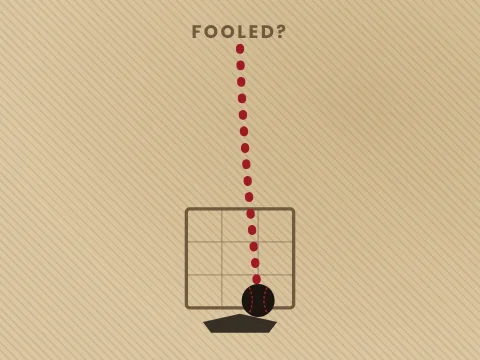
A drop ball has topspin, or forward spin. The pitcher throws it down through the zone, so it keeps working downward as it gets to the plate.
It often starts looking like a strike at the belt or thigh. By the time it gets to the hitter, it’s at the knees or below. The hitter swings where the ball WAS, and catches the top of it.
Add in the short distance. Most high school and college pitchers throw from 43 feet, and a 70 mph pitch gives roughly the reaction time of a mid-90s baseball fastball. Late adjustments are hard. Early reads and a good plan win.
Watch the release. A drop ball often comes out of the hand on a downward line, and many pitchers show it with a slightly different wrist or hand position. Use the first at-bat to learn her tell, and share it in the dugout.
2. Why do hitters roll over and beat the drop ball into the ground?
In my experience, three things show up again and again:
- They chase the low one. A drop that finishes below the knees is hard to square up. Swinging at it is the pitcher’s plan, not yours.
- They chop down at it. Hitters hear “swing down” and chop. Against a pitch already moving down, that’s two downward paths crossing for a split second.
- They roll the wrists early. The top hand turns over before contact, the barrel closes, and the ball gets pounded into the dirt.
Rolling over isn’t only a drop ball problem. If you see it on every pitch, read Why Hitters Roll Over: What to Check First.
THE DROP BALL PLAN
STAY THROUGH.MATCH IT.
- Eyes at the bottom of the zone
- Below the knees early? Take
- Barrel on the pitch’s plane
- Finish after contact
MAKE HER BRING IT UP
3. How do you stay through the ball and match its plane?
Match the pitch. Don’t fight it.
A drop ball is traveling downward. Your barrel should get on that same path early and stay on it through contact. That gives you more room for error on timing.
- Get the barrel in the zone early.The barrel enters behind the ball and works through it instead of cutting across.
- Stay through the middle of the ball.Think about driving the ball back up the middle or the other way; the hands and barrel keep moving through the ball.
- Let the finish happen after contact.The top hand releases or rolls AFTER the ball is gone, not before.
- Use your legs to get down to it.On a drop at the knees, bend with the legs to keep a good body angle instead of dropping the hands and reaching.
This is where swing structure matters. AHD hitters build Mechanically Advantaged Angles (MAA), body and bat positions that let the barrel match the pitch and stay through it. For the bat path piece, see Bat Path: Knob, Barrel and the Route to Contact.
4. Should you swing at a drop ball below the knees?
Early in the count, no. A drop that finishes below the knees is a ball, and it’s rarely one you can hit hard. Lay off it.
The plan is simple: set your eyes at the bottom of the zone, around the knees. A drop that starts at your knees will finish lower. Let it go. Hunt the drop that starts higher, around the belt, and finishes in the zone.
With two strikes, the zone widens a bit and you may have to defend a borderline drop. Stay through it and put it in play the other way. That’s the Hitting Processor: see it, time it, decide, attack it. Read more in Why Your Kid Swings at Bad Pitches.
5. Should you move up or back in the box against a drop ball?
These are coaching options, not rules. Every hitter and every pitcher is different. Here’s how I think about them:
| Option | Why a coach might try it | Watch out for |
|---|---|---|
| Move up in the box | Hit the drop before it finishes its break | Less time to see the pitch, harder on velocity |
| Move back in the box | More time to see it; let it drop into your zone | The ball may finish below the knees |
| Stay put, change the eyes | Keep your timing; just lower your eye window | Needs a disciplined plan to work |
My honest take: fix the decision and the swing path first. A box move is a tactic for one game against one pitcher. It doesn’t build a hitter.
6. What drills help a hitter beat the drop ball?
Don’t collect drills. Pick a few that train the actual problem and do them often.
- Low tee, line drives only.Set the tee at the knees and hit 10–15 balls; anything on the ground doesn’t count, which forces the hitter to stay through the ball.
- Low-zone front toss with takes.From behind a screen, toss a mix at the knees and just below; the hitter swings at strikes and takes anything that finishes under the knees.
- Call-it-out reps.Hitter tracks pitches without swinging and calls “DOWN” or “YES” before the plate; 20 reps a day trains the decision.
- Opposite-field rounds.Low tee or front toss where the goal is a line drive to the opposite gap; it keeps the barrel on plane longer.
If your hitter keeps rolling over and you’re not sure why, run the free SwingChecker to find her top priority. For softball-specific coaching, see our Online Fastpitch Softball Lessons. To train spin recognition and timing, start the Off-Speed / Spin course.
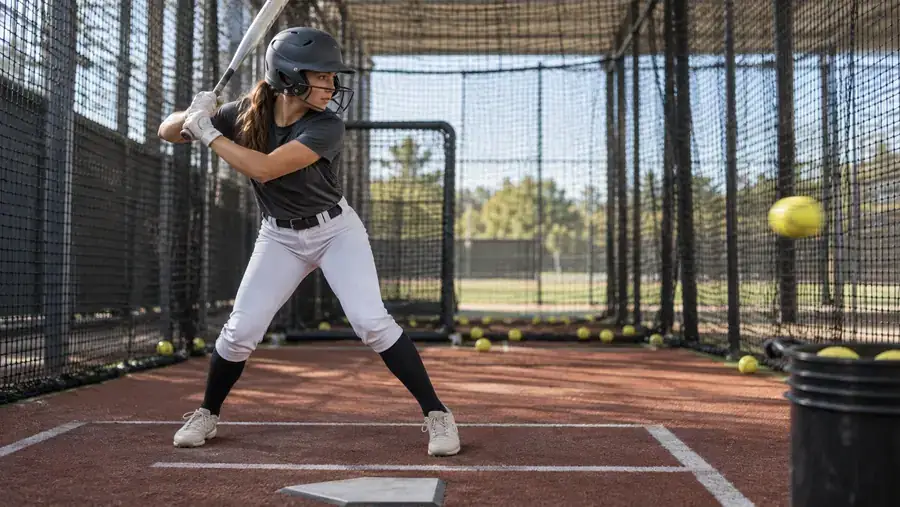
THELESSON.
- Don’t chop down at it
- Don’t roll the wrists early
- Line drives, not grounders
- Train the decision daily
Complete Hitters Are Built…Earned.
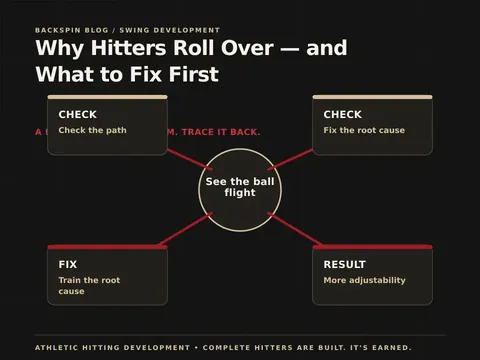
Want to go deeper? Read Why Hitters Roll Over — and What to Fix First and Pitch Recognition & Hitting Off-Speed.
Quick answers
Why do I keep hitting ground balls off a drop ball?
Usually the hitter is chasing drops below the knees, chopping down at the pitch, or rolling the wrists before contact. Staying through the ball and laying off the low one fixes most of it.
Should I swing up or down at a drop ball?
Neither cue is the goal. Match the downward plane of the pitch with your barrel early and stay through the ball, then finish after contact.
Is it better to stand up in the box against a drop ball?
Moving up is one coaching option because you can catch the pitch before it finishes breaking, but you lose reaction time. Fix your decisions and swing path first, then use box position as a tactic.
What’s the difference between a drop ball and a rise ball?
A drop ball has topspin and is thrown down through the zone. A rise ball has heavy backspin and drops less than hitters expect, so it can travel upward through the zone.
Don’t collect drills. Build a complete hitter.
Complete Hitters Are Built… It’s Earned!
This article is part of the AHD guide Pitch Recognition & Timing. Start there for the full picture and every related article.