By BK, Athletic Hitting Development
Complete Hitters Aren’t Born. They’re Built… and Earned.
Key takeaways
- To adjust to off-speed, a hitter stays in a relaxed athletic position so the body can still act on what the eyes see late in the pitch.
- Tension is commitment. A tight body has already decided, and it can’t change its mind when the ball slows down.
- Getting ready is not committing: the gather and stride go on fastball time while the hands and barrel wait.
- Fooled isn’t finished. Stay in the swing, spoil the pitch if you have to, then reset to the fastball clock for the next one.
To adjust to off-speed pitches, a hitter has to stay in a relaxed athletic position so the body can make adjustments to what the eyes tell it late in the pitch. Every hitter gets fooled. Good hitters stay in the fight.
To adjust to off-speed, a hitter gets ready on fastball time and stays in a relaxed athletic position so the body can use what the eyes read late. When fooled, stay in the swing, spoil the pitch, then reset to the fastball clock.
Train it: Off-Speed / Spin → Free tool: Early Recognition →As I tell every hitter, physically and visually it’s all about being in a relaxed athletic position. The eyes don’t get the whole story until the ball is well on its way. If the body is tight, locked or already gone, it can’t use that late information. If it’s relaxed and athletic, it can.
That’s the physical foundation. The mental foundation is just as simple: fooled is not finished. One bad read is one pitch, not the at-bat. This post covers both, and how to train them.
1. What does “fooled, not finished” mean for a hitter?
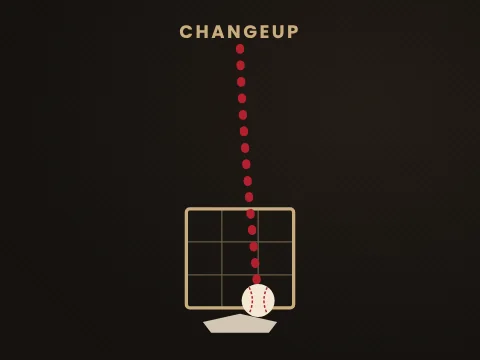
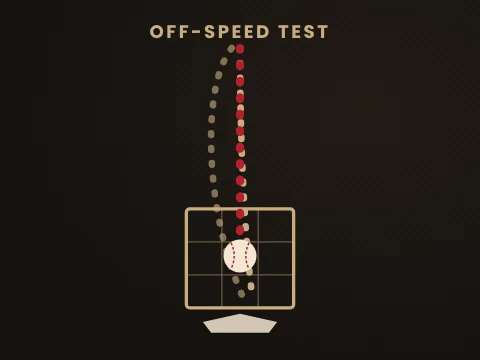
Off-speed doesn’t beat you with a different pitch. It beats you by changing when the ball arrives. The pitcher’s whole plan is to get you started on the fastball schedule and then make you wait.
Every hitter gets fooled. Good hitters stay in the fight.
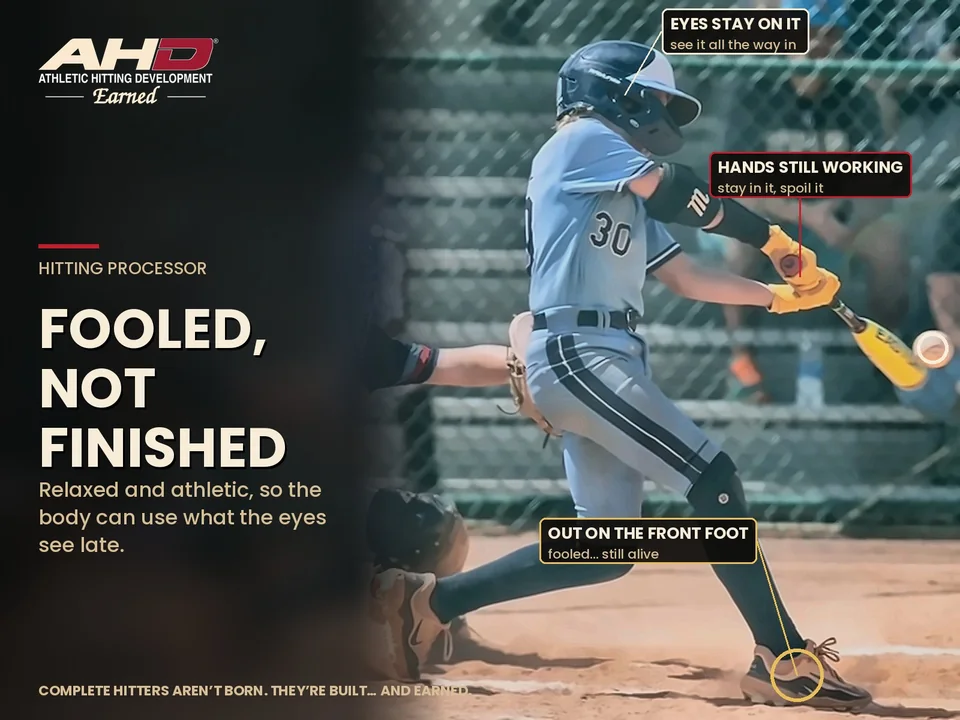
Getting fooled is part of hitting. Pitchers at every level throw slow to speed you up. What separates hitters is what happens next: one hitter quits on the swing and walks back to the dugout, and the other one stays athletic enough to foul it off, or even square it up, and lives to see another pitch.
That second hitter isn’t lucky. He built a body that can wait and a mind that doesn’t panic.
2. Why is a relaxed athletic position the key to hitting off-speed?
Because the information shows up late. The eyes pick up release, then speed, then shape, and the clearest read comes after the hitter has already started moving. A hitter can only use that read if his body still has options.
THE FOUNDATION
RELAXEDAND ATHLETIC.
- Loose hands, ready grip
- Knees flexed, weight centered
- Quiet head, eyes on release
- Front side closed and working
TENSION IS COMMITMENT
Tension is commitment. A hitter who squeezes the bat, locks his knees or lunges forward has already decided. When the ball slows down, a tight body has nothing left. A relaxed body still does.
- Loose hands, ready grip. Squeezing the bat early speeds up the barrel before you know what’s coming.
- Knees flexed, weight centered. Loaded and athletic, not leaning forward toward the pitcher.
- Quiet head. The body moves underneath it so the eyes keep getting clean information.
- Front side closed and working. It lands and stays functional instead of flying open early.
This is what aggressive and athletic really means. It isn’t stiff and it isn’t passive. It’s a body that is loaded, balanced and free enough to go now, or go a beat later.
3. How do the eyes and body work together on an off-speed pitch?
The eyes collect. The body waits for the eyes. That’s the whole partnership.
- Find release earlyEarly eyes create late decisions. The sooner your eyes are on the pitcher’s hand, the more time you get to read speed and shape.
- Notice the spinYou don’t have to decode it like a physics test. Tight and straight, sideways tilt, or a tumble like a changeup is enough.
- Get ready on fastball timeThe gather and stride start on time for the heater. Getting ready is not the same as committing.
- Delay the launch, not the intentWhen the read says slow, the hands and barrel wait, then fire with the same swing and full intent.
The cleanest off-speed adjustment isn’t a slower, softer swing. It’s a later commitment with the same sequence. That’s where Mechanically Advantaged Angles (MAA) pay off: AHD hitters build angles that hold up under a timing change, so the swing that crushes the fastball is the same swing that waits on the changeup.
If a hitter is drifting forward and losing that wait, read How to Stop Lunging at the Ball. Lunging is almost always tension showing up early.
4. What should a hitter do when he gets fooled mid-swing?
Stay in it. Some pitches you read early enough for a smooth adjustment. Others you read late and have to fight. Know which one you’re in.
On a late read, the goal is competitive contact, not a pretty swing. A hitter who is out on his front foot with his hands still working can foul the pitch off, poke it the other way or even barrel it. A hitter who bails, freezes or lets go of the swing has nothing.
Smooth when you read it early. Fight when you read it late.
With two strikes this matters even more. Pitchers use secondary stuff to finish hitters, so protect more and chase less. The full two-strike plan is in Two Strike Approach: How to Battle.
5. How do you reset mentally after getting fooled?
The most dangerous pitch after a changeup is often the next fastball. Hitters get fooled by the slow one, speed up their minds, and end up early or late on the heater. That’s exactly what the pitcher wanted.
So reset to home base: step out, take a breath, and get back on the fastball clock. Heater or hanger. You saw a good one from him. File it away and get ready for the next pitch like it’s the first pitch of the at-bat.
- Let the last pitch go. One bad read doesn’t predict the next one.
- Back to the fastball clock. Be on time for the heater; the body that can wait handles the rest.
- Same routine, every pitch. The routine is what turns a fooled swing back into a fresh at-bat.
This is the Mental Approach pillar working with the Hitting Processor: see it, time it, decide, attack it, and then reset and do it again.
6. How do you train a hitter to adjust to off-speed?
You can’t train it with a steady diet of the same speed. If timing only works when the hitter knows what’s coming, it isn’t ready for a game.
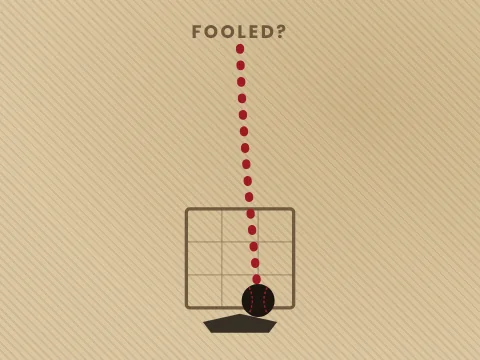
- Run the Fooled TestMix fastballs and slower pitches with no warning and count how often the hitter can tell fast from slow by halfway.
- Train takes out loudCall each pitch before it arrives. A good take is evidence of a good decision.
- Random speeds, full intentMix speeds and locations in front toss or machine work, and keep the swing aggressive on every read.
- Practice the late saveFeed some pitches you know will fool him and reward the foul ball or the oppo poke, not just the barrel.

THELESSON.
- Every hitter gets fooled
- Stay in the fight
- Delay the launch, not the intent
- Reset to the fastball clock
Complete Hitters Are Built…Earned.
Five focused minutes a day beats a long session once a week. The Hitting Processor gets trained daily. Start with the free SwingChecker™ to see whether your hitter’s top priorities are on the swing side or the decision side, then work through the free first Off-Speed lesson.
Want to go deeper? Read Why Your Hitter Gets Fooled by Changeups and Curveballs and How to Hit a Changeup in Baseball: See It, Stay Back, Drive It.
Quick answers
How do you adjust to off-speed pitches?
Get ready on fastball time, stay in a relaxed athletic position, and let the hands and barrel wait until the eyes read the slower pitch. Then swing with the same intent, just later.
What should a hitter do after getting fooled by a changeup?
Step out, breathe and reset to the fastball clock. Pitchers often follow a changeup with a fastball because fooled hitters speed up, so treat the next pitch like the first pitch of the at-bat.
Why does my hitter lunge at off-speed pitches?
Usually because the body commits too early. Tension, a forward drift or an early front side means there is nothing left when the ball slows down. A relaxed, centered, athletic position fixes most of it.
Should a hitter look for the off-speed pitch?
Usually not. Sitting on the slow pitch makes a hitter late on the fastball and still fooled by the slow one. Be on time for the heater and build a body that can wait.
Don’t collect drills. Build a complete hitter.
Complete Hitters Aren’t Born. They’re Built… and Earned.