By BK, Athletic Hitting Development
Complete Hitters Aren’t Born. They’re Built… and Earned.
Key takeaways
- Pitch recognition is a trainable skill, not a gift. Hitters who train it daily make better decisions.
- Good drills force a call before the swing: name it, then decide, then attack it.
- Start with easy reads (heater or hanger), then shrink the window and add speed and location.
- If you don't measure the calls, you can't tell if recognition is getting better. Keep score.
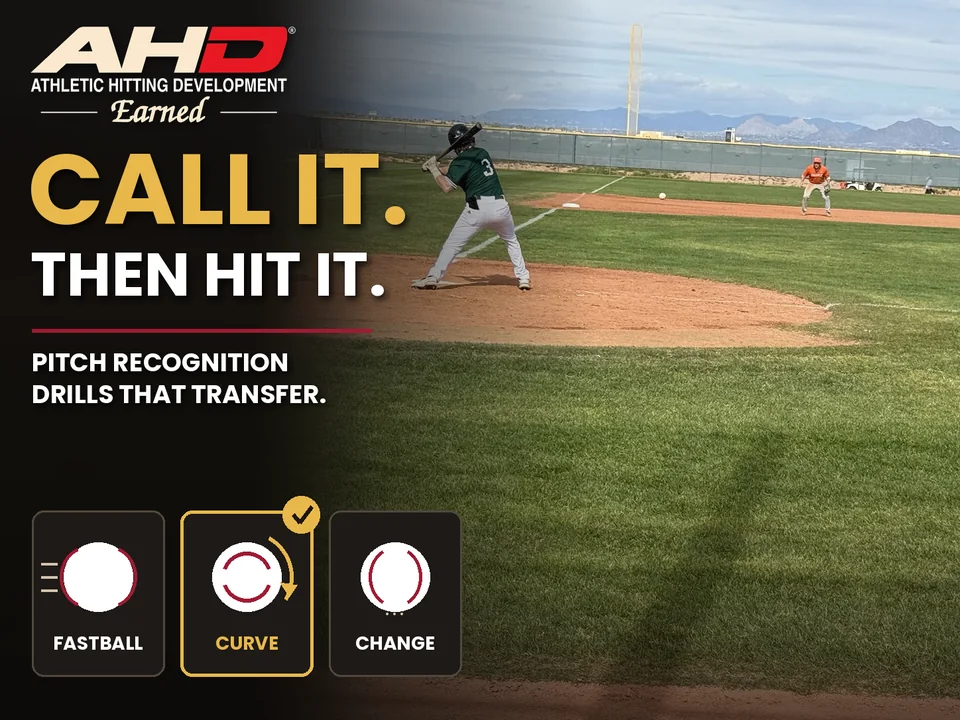
The best pitch recognition drills make a hitter call the pitch before he swings: fastball or spin, strike or ball, then decide and attack. Do them a few minutes every day, keep score, and shrink the window as he gets better.
The best pitch recognition drills make the hitter call the pitch before deciding to swing: call-it front toss, spin reads, strike-or-take, two-ball call and live call at-bats. Do a few minutes daily, score every rep and make it harder as he improves.
Train it: Hitting Processor → Free tool: Pitch Recognition Trainer →I've seen it a thousand times. A hitter with a good swing goes up there and gets beat by a pitch he never really saw. His swing wasn't the problem. His decision was.
That's why the Hitting Processor is one of the 4 Pillars of a complete hitter. See It → Recognize It → Time It → Decide → Attack It. These drills train the middle of that chain, the part most hitters never practice on purpose.
1. What is pitch recognition, really?
Pitch recognition is the hitter's ability to pick up what's coming, early enough to do something about it. Speed, spin, location. Heater or hanger. Strike or ball.
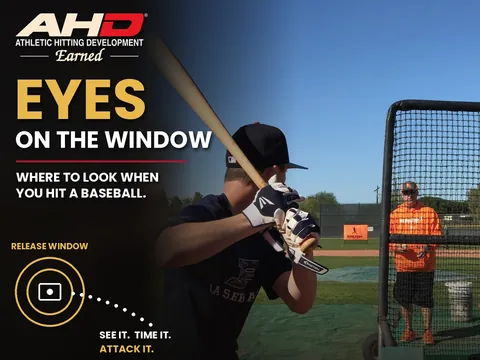
It is not the same as having good eyes. Where a hitter looks matters, and I cover that in what to look at when hitting. Recognition is what the brain does with what the eyes give it.
Here's the honest truth about the 13–21 age group: the pitching gets better every year. More velocity, more spin, more pitchers who can throw a breaking ball for a strike. The hitters who keep hitting are the ones who keep training the read, not just the swing.
Seeing it is step one. Recognizing it is where at-bats are won.
2. What makes a pitch recognition drill actually work?
A lot of so-called recognition drills are just swings with colored balls. Here's my test. A good drill has all four of these:
- A call. The hitter names the pitch (or says "take") before or during the swing decision.
- A real decision. Swing or take matters. A wrong swing is a miss even if he hits it.
- A score. Calls right out of 10. Write it down.
- A progression. The read gets harder as he gets better: later, faster, closer to game speed.
Don't collect drills. Build a complete hitter. Pick two or three of these, run them every day, and move up when the score says so.
3. 7 pitch recognition drills for hitters 13–21
- Call-it front tossMix firm tosses and slow tosses. Hitter calls "heater" or "soft" out loud before he swings. 10 reps, score the calls. Cue: call it early.
- Color-dot spin readMark balls with a dot or stripe and spin them in. Hitter calls the color or spin direction, then takes or swings. Cue: read the spin, not the arm.
- Strike-or-take boxTape a zone on a net. Feeder mixes strikes and balls. Hitter only swings at strikes and calls "take" on the rest. Cue: decide early, commit late.
- Heater or hangerFeeder shows a fastball look or a spinning, slower ball. Hitter must attack the hanger and stay on time for the heater. Cue: hunt the mistake.
- Two-ball callFeeder holds two balls, one marked. Drops or tosses one. Hitter names it as early as he can. Great for the eyes and the brain. Cue: first look, first call.
- Wiffle spin labShort-distance wiffle ball breaking pitches. The ball moves a lot, so the read is obvious. See why wiffle ball works. Cue: track it all the way.
- Live call at-batsLive arm or machine with a mix. Hitter calls the pitch on every take. Coach keeps a chart. Cue: every pitch is a rep, even the takes.
Coaches: these run as stations. Put two hitters on call-it front toss, two on the strike-or-take box and one on wiffle spin. Rotate every 10 reps and keep one scorecard per hitter. Your whole roster gets real reads in 15 minutes, and you'll know exactly who is chasing and who is freezing.
THE DRILL RULES
CALL IT.THEN HIT IT.
- Name the pitch first
- Swing or take matters
- Score every rep
- Make it harder at 9/10
RECOGNITION IS A SKILL. TRAIN IT.
4. How do you progress pitch recognition drills?
Start EASY. If he gets 9 out of 10, make it harder. If he gets 5 out of 10, make it easier. That's how you keep the brain learning instead of guessing.
| To make it harder | To make it easier |
|---|---|
| Shorten the distance or speed it up | Back up or slow it down |
| Make the call later in flight | Let him call it early |
| Add location (in/out, up/down) | Speed or spin only |
| Mix three pitches instead of two | Two clearly different pitches |
| Add a two-strike count | No count, just reads |
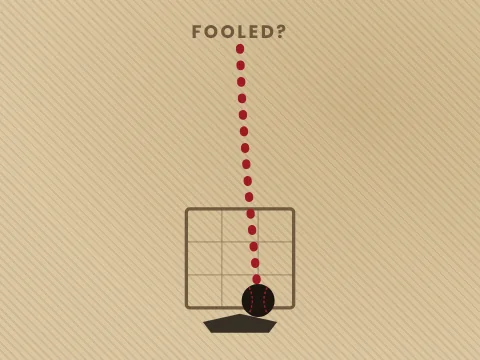
Off-speed is usually where hitters break first. If changeups and curveballs eat your hitter up, read why hitters get fooled by off-speed.
5. How do you measure pitch recognition?
If nothing is measured, nothing is managed. Every drill above gets a score: correct calls out of 10, correct swing decisions out of 10. Same drill, same distance, once a week. Now you know if it's working.
Keep it simple. One line per day: drill, distance, calls right, decisions right. Week one he's 5 for 10 on the spin read. Week four he's 8 for 10 from a shorter distance. That's not a feeling. That's proof, and it's the kind of proof that shows up as fewer chases and fewer called third strikes.
Two free ways to start: the Pitch Recognition Trainer and the Spin Read Test. They give your hitter a baseline in a few minutes.
Then make it a daily habit. My 5-minute daily Processor plan fits on any day, even game days.
6. Why recognition has to be trained DAILY
Hitters get timing and reads from repetition. A couple of reads a week isn't enough. A few minutes every day is. It's the same reason a hitter with Mechanically Advantaged Angles (MAA) still needs to see pitches to use them.
In season, this is even more important. Games give a hitter a handful of looks. A daily recognition routine gives him dozens, on purpose, with a score.
The Hitting Processor course lays it out lesson by lesson: a daily rep set and a Block Test every 10 lessons so you can see decisions getting better. Lesson 1, your decision baseline, is free.
Not sure the Processor is the problem? Run the free SwingChecker™ and find your hitter's top priority first.
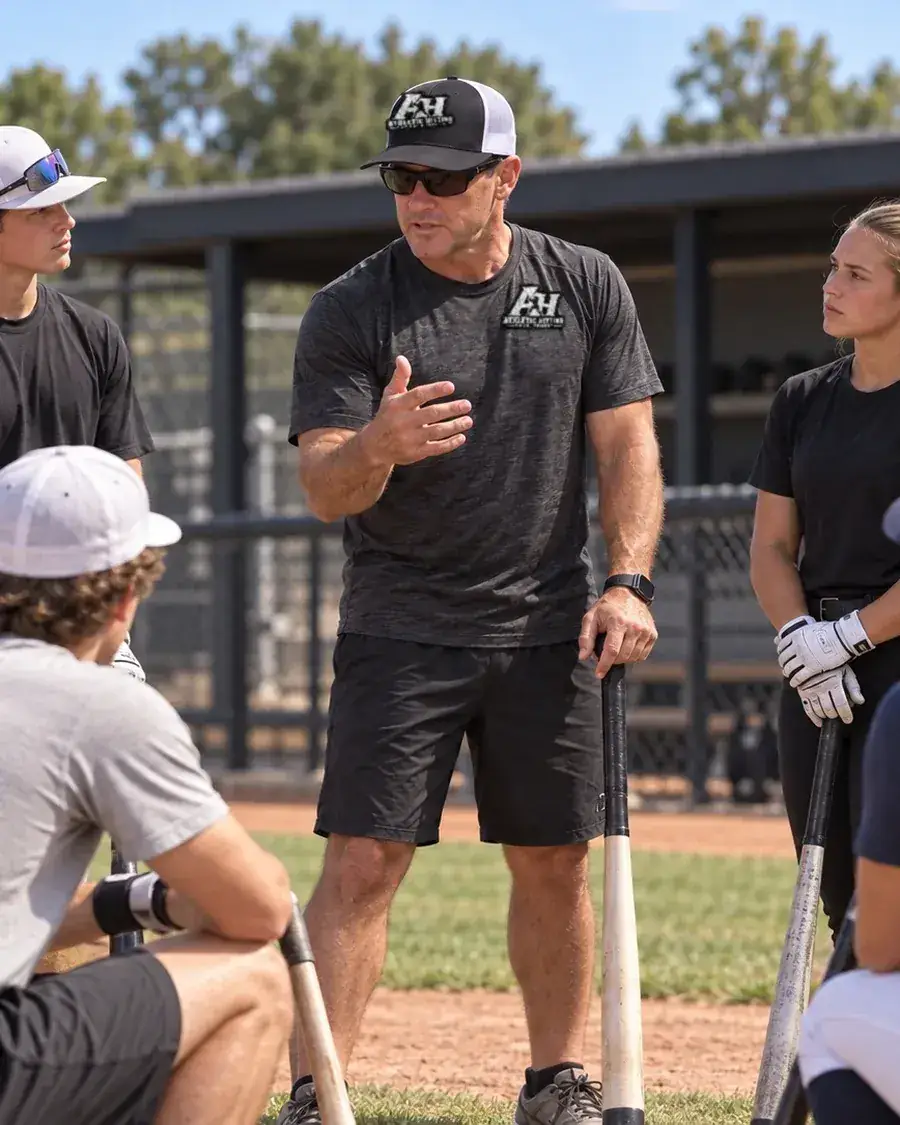
THELESSON.
- See It
- Recognize It
- Time It, Decide
- Attack It
Complete Hitters Are Built…Earned.
See it. Recognize it. Decide. Attack it. It's a great day to hit!!
Want to go deeper? Read What Should You Look at When Hitting a Baseball? and The 5-Minute Daily Hitting Processor Plan.
Quick answers
What are the best pitch recognition drills?
Drills that force the hitter to call the pitch before deciding: call-it front toss, color-dot spin reads, a strike-or-take box, two-ball call and live at-bats where he calls every take. Score each rep.
How often should hitters do pitch recognition training?
A few minutes every day works better than a long session once a week. Recognition improves with frequent, focused reps.
Can you get better at recognizing pitches?
Yes. Recognition is a trainable skill. Start with easy reads, keep score, and make the drills harder as the hitter gets most calls right.
How do I know if pitch recognition training is working?
Keep a score. Track correct calls and correct swing decisions out of 10 on the same drill once a week, and watch how often he chases or freezes in games.
Don’t collect drills. Build a complete hitter.
Complete Hitters Aren’t Born. They’re Built… and Earned.