By BK, Athletic Hitting Development
Complete Hitters Aren’t Born. They’re Built… and Earned.
Key takeaways
- The slot is the path of the back arm from launch to contact, with the back elbow staying close to the body.
- Casting sends the hands away from the body, makes the swing long, then forces a wrist roll to get the barrel back.
- Cues: back elbow toward the belly button, knob toward the ball, top-hand palm up, hit the inside of the ball.
- The fence drill shows casting instantly. If you cast, you hit the fence.
To stop casting, keep the back elbow connected, close to the body, as it moves from launch to contact. Drive the back elbow toward the belly button, send the knob toward the ball and aim the barrel at the inside half of the ball.
Keep the back elbow connected, close to the body, from launch to contact. Drive it toward the belly button, send the knob toward the ball and aim at the inside half of the ball.
Train it: Swing Structure & Mechanics → Free tool: Contact Point Trainer →Hitters send their hands away from the body naturally. It's the most common swing fault I see at every level, and it's the reason so many good pitches turn into 5-hoppers to shortstop.
I first wrote about the slot in 2015, back when AHD was Krush Athletics. Read the 2015 original. This is how I teach it today.
1. What is the slot in hitting?
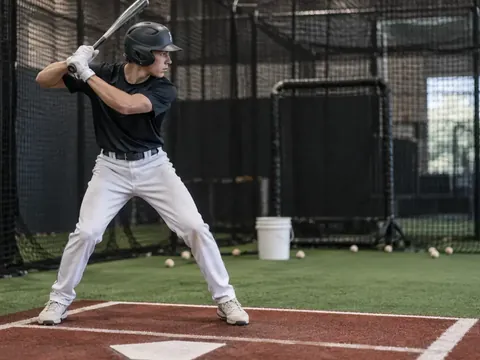
The slot is the positioning of the back arm as it moves from the launch point to the contact point. The back elbow stays close to the body. We call it staying connected. The torso rotates toward contact, the elbow stays connected, and contact usually happens with both arms still bent.
Extension comes after contact, toward the pitcher. See extension and wrist release.
THE SLOT
STAYCONNECTED.
- Back elbow to belly button
- Knob toward the ball
- Top palm up
- Hit the inside of it
ABOVE AND INSIDE.
2. What casting does to a swing
- Makes the swing long. More distance, more time, more chances to be late.
- Sends the barrel out over the plate or past it, away from the ball's path.
- Forces a wrist roll to bring the barrel back to the ball. That's the rollover ground ball.
- Weakens contact. The hands are too far from the body to deliver force.
Cast and roll. That's the 5-hopper to short.
3. Swing thoughts that fix casting
- Drive the back elbow toward the belly button.
- Send the knob toward the ball, or toward the pitcher.
- Keep the top-hand palm up toward the sky.
- Front elbow stays below the front shoulder, no chicken wing.
- Hit the inside of the ball. Above and inside is the barrel approach AHD teaches.
AHD hitters build Mechanically Advantageous Angles (MAA), and the back elbow in the slot is one of the most important. It keeps the hands inside the ball and the swing short.
4. Drills that keep the hitter connected
- Above and insideOn every tee, front toss and BP rep, aim at the inside half of the ball. Pick a spot and hit it.
- Fence drillStand a bat's length from a fence or net, square to it, and swing. Cast or disconnect and the bat hits the fence.
- Opposite-field teeSet the tee deep and drive it the other way. Casting can't do it.
- Connection seriesSlow swings to contact, freezing to check the back elbow against the body.
A BKism that goes with it: "Hard, down the other way means we are on our way!" A hitter who stays connected can drive the ball hard the other way. A caster can't.
Casting is usually connected to other things, like an early open front side or a narrow base. Run SwingChecker™ free to see what's driving it, then work Swing Structure & Mechanics. Also see the three universal swing faults.
THELESSON.
- Casting = long + weak
- Connected = short + strong
- Fence drill tells the truth
- Oppo shows it
Complete Hitters Are Built…Earned.
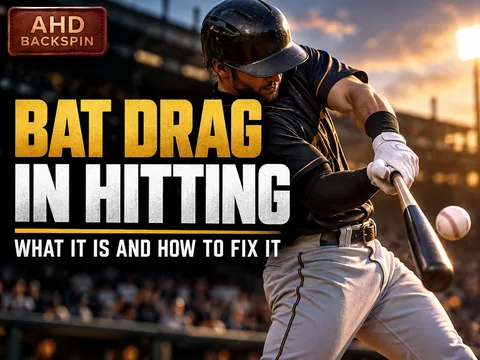
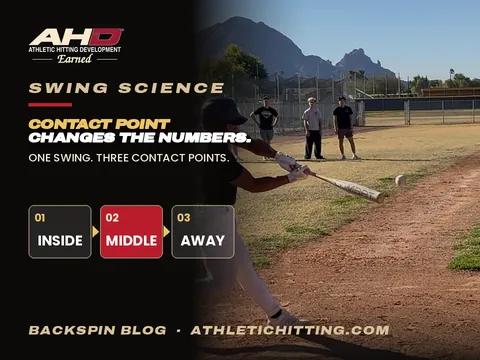
Want to go deeper? Read Bat Drag in Hitting: What It Is, Why It Happens and How to Fix It and Where Should a Hitter Make Contact? Your Contact Point Changes Your Swing Numbers.
Quick answers
What is casting in hitting?
Casting is when the hands drift away from the body early in the swing. It makes the swing long and usually forces the wrists to roll over.
How do I stop casting?
Keep the back elbow close to the body, drive it toward the belly button and aim at the inside half of the ball. The fence drill is the quickest check.
Should arms be bent at contact?
Usually yes. Contact is typically made with both arms still bent; full extension comes just after, toward the pitcher.
Why does my hitter hit so many ground balls to shortstop?
Often it's cast and roll: the hands go out over the plate and the barrel gets rolled back to the ball. Staying connected fixes it.
Don’t collect drills. Build a complete hitter.
Complete Hitters Aren’t Born. They’re Built… and Earned.