By BK, Athletic Hitting Development
Complete Hitters Are Built… It’s Earned!
Key takeaways
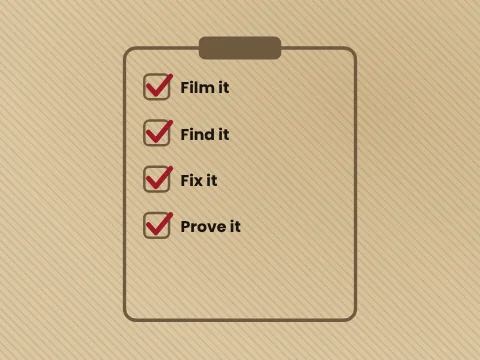
- Week 1 should be an assessment and a baseline video — not a list of everything that’s wrong.
- A good beginner coach teaches grip, stance and balance without overload and works on one priority at a time.
- By week 4 you should see a simple home routine your hitter can run alone and a retest video that shows real change.
- Don’t expect a brand-new swing or game stats in 30 days — and don’t coach from the stands.
A good first month of beginner hitting lessons looks like this: a baseline assessment and video, simple fundamentals, one priority at a time, a short home routine, and a retest in week 4. You should see cleaner movement and a hitter who understands what he’s working on — not a whole new swing.
Parents ask me all the time, “What should the first month look like?” Fair question. You’re paying for lessons and you want to know if they’re working.
Here’s what a good first month should include, week by week. Use it to judge any coach — including me.
1. What should happen in the first four weeks of hitting lessons?
- Week 1: Assessment and baseline videoThe coach watches your hitter move and swing, films from the side and from behind, and picks the ONE thing to work on first.
- Week 2: Fundamentals without overloadGrip, stance and balance — a few simple checks, not a 20-point checklist.
- Week 3: One priority, more repsStay on the same priority with tee and front toss until it starts to stick.
- Week 4: RetestSame drills, same camera angles as week 1, side by side — is it better?
Notice what’s missing. No drill parade. No new cue every session. Kids learn by stacking one thing on top of another. Don’t collect drills. Build a complete hitter.
Why one priority? Because a beginner’s brain can only hold so much. Give a nine-year-old six cues and he’ll think about all six and hit with none. Give him one, and in a couple of weeks it starts to become his.
THE FIRST MONTH
ONE THINGAT A TIME.
- Week 1: Baseline video
- Week 2: Grip, stance, balance
- Week 3: One priority, more reps
- Week 4: Retest and compare
BASELINE. BUILD. RETEST.
2. What fundamentals should a beginner learn first?
Keep it short. A beginner needs a grip that lets the hands work, a stance that’s athletic and balanced, and the ability to stay on balance through the finish.
- Grip. Comfortable, in the fingers, hands together. No death grip.
- Stance. Athletic, feet about shoulder-width or a little wider, weight balanced.
- Balance. Can he finish the swing and hold it? See Balance & Body Control.
- See the ball. Even at this age, start the Hitting Processor — see it, time it, decide.
As hitters grow, we build toward Mechanically Advantaged Angles (MAA), the positions AHD hitters use to create and transfer power. But that’s built on these basics, not instead of them.
3. What should my kid practice at home between lessons?
Something short he can do without you hovering. Ten to fifteen minutes, a few days a week, beats one long Saturday session.
A simple routine: a few minutes of movement, a round of dry swings checking the one priority, tee swings with a clear goal, and a couple minutes of eye work. Our 15-minute home plan lays it out.
Have him film a few swings at home once a week from the same angle as the baseline video. It takes a minute, it keeps him honest, and it gives the coach something real to look at in the next lesson.
Daily and simple beats weekly and perfect.
4. What should a parent see by week 4 — and what shouldn’t you expect?
| You should see | Don’t expect yet |
|---|---|
| Better balance and a more athletic setup | A brand-new, finished swing |
| A hitter who can explain his one priority | A jump in game batting average |
| A home routine he runs on his own | Every rep to look right |
| A retest video that shows visible change | Instant results against live pitching |
| More confidence in the cage | No bad days |
Change in the cage comes before change in games. That’s normal. If after a month you can’t name the priority or see any difference on video, ask the coach why. Here’s how to know if a swing change is working.
5. How can parents help (and what should we avoid)?
- Help: film the home sessions, feed the tee, keep the routine on the calendar.
- Help: ask “What are you working on?” and let him teach you.
- Help: praise effort and good decisions, not just hits.
- Avoid: yelling mechanics from the stands. In the game, the only job is compete.
- Avoid: adding cues from YouTube or other coaches. One voice, one priority.
- Avoid: the car-ride breakdown. Let him decompress first.
More on this in How Parents Can Help a Hitter Get Better Without Guessing.
6. Can we try AHD before we commit?
Yes, and I’d encourage it. Start with the free SwingChecker. It takes about 3 minutes and ranks your hitter’s top priority across the 4 pillars, with cues, drills and matching free lessons.
Then try Lessons 1–3 of the Complete Hitter Masterclass online hitting program for free. Every course has them. If your hitter responds, the full course is a one-time price with a year of access. You’ll need a bat, a tee, some balls and a phone.
Local to the Valley? Private hitting lessons in Scottsdale follow the same first-month plan. Text me at 480-881-5447 for current rates.

THELESSON.
- Start with a baseline
- One priority at a time
- Simple home routine
- Retest at week 4
Complete Hitters Are Built…Earned.
Want to go deeper? Read How to Fix Your Kid’s Swing: What to Check First and How Parents Can Help a Hitter Get Better Without Guessing.
Quick answers
What happens in a first hitting lesson?
A good first lesson is an assessment. The coach watches your hitter move and swing, films a baseline video, and picks one priority to start with.
How long does it take to see results from hitting lessons?
Most beginners show visible changes in balance and setup within about a month of consistent work. Game results usually take longer.
How often should a beginner take hitting lessons?
Consistency matters more than frequency. A lesson or online session plus a short home routine a few days a week works well for most beginners.
What age should kids start hitting lessons?
When they enjoy hitting and can focus for a short session. Young beginners need simple fundamentals and fun, not a long list of mechanics.
Don’t collect drills. Build a complete hitter.
Complete Hitters Are Built… It’s Earned!
This article is part of the AHD guide Youth Hitting Development. Start there for the full picture and every related article.