Every hitter has heard, “Just react.” It sounds simple. It also leaves out the most important part of the job.
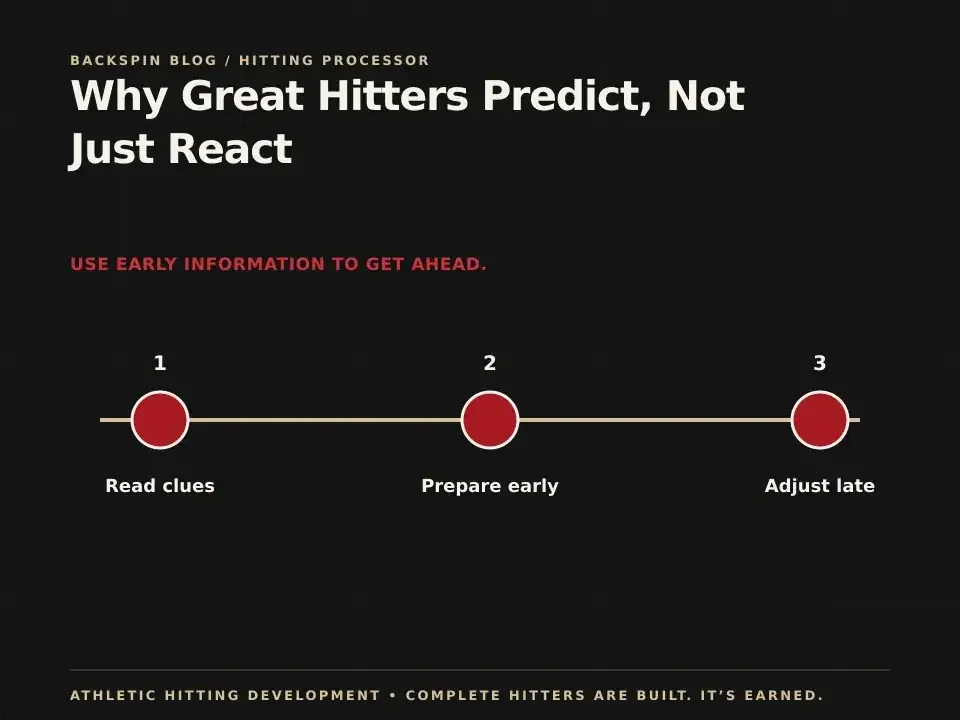
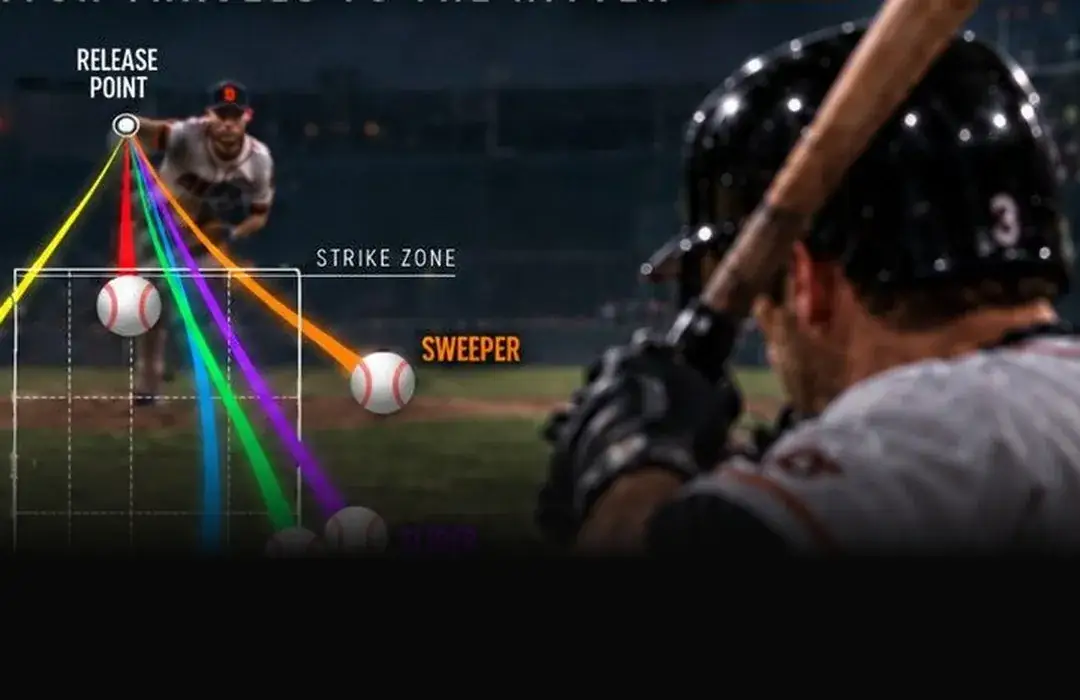
Great hitters predict by using real information sooner, like the pitcher’s movement, release, early trajectory and spin, because a game-speed pitch is too fast to simply react to. They prepare for a likely pitch and stay athletic enough to adjust.
Train it: Hitting Processor Masterclass →By the time a hitter consciously recognizes every detail of a pitch, a game-speed ball has already traveled a long way toward the plate. That is why the best hitters do not wait for perfect certainty. They gather information early, prepare to attack a likely pitch, and keep their body organized enough to adjust.

EVERY HITTER HAS HEARD IT
JUSTREACT?
- Great hitters gather info early.
- They prepare for a likely pitch.
- They stay organized to adjust.
PREDICTION IS NOT GUESSING.
Prediction is not guessing
Prediction means using real information sooner: the pitcher’s movement, release window, early trajectory, spin, speed, and location. A hitter is not blindly choosing a pitch. He or she is building the best possible plan before the ball gets too close.
That is why “heater, hanger” is a useful approach. Be ready to do damage on the fastball in your zone. Stay athletic and adjustable enough to recognize the off-speed pitch—and attack the mistake version when it shows up.
The eyes help the body get ahead
A hitter’s visual system is not a slow-motion camera. At high speed, the eyes and brain use early cues to anticipate where the ball is headed. Better visual tracking gives the brain more useful information sooner, which gives the body more time to organize.
Pitch tracking is not extra work. It is hitting work. Tracking pitches from release, calling spin, identifying location, and taking pitches on purpose all train the hitter to see the game better.
TRAIN THE EYES ON PURPOSE
SEE ITSOONER.
- Track pitches from release.
- Call the spin.
- Identify the location.
- Take pitches on purpose.
PITCH TRACKING IS NOT EXTRA WORK.
Practice builds a faster, more usable response
Repeated quality reps help the brain and body coordinate movement with less wasted thought. The goal is not a robotic swing. The goal is to make the athletic position, gather, forward move, launch, and barrel path reliable enough that the hitter can compete instead of searching for a feeling.
Then training must vary: different speeds, locations, pitch shapes, and counts. That is how a hitter learns to use a repeatable swing in a game that is never exactly the same twice.
Feel → Repeat → Speed → Vary → Decide → Compete.
Movement has to be organized before the ball arrives
The brain can only send the body a useful plan if the hitter is in a position to use it. An athletic setup, controlled gather, direct forward move, and balanced launch give the hitter a chance to adjust. A rushed or unstable body forces early commitment and makes every pitch feel faster.
This is why a hitter can have a good-looking practice swing and still struggle in games. The swing may not be the whole problem. Timing, vision, decision-making, and body control all have to work together.
THELESSON.
- Use real info sooner.
- Heater in your zone.
- Attack the mistake.
- Track from release.
- Organize before it arrives.
- Vary the reps.
Complete Hitters Are Built…Earned.
What great hitters are really training
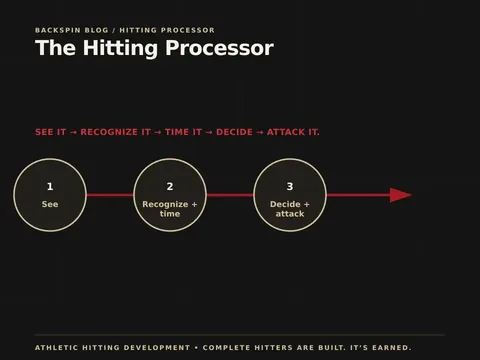
Great hitters are not training one reaction. They are training a complete processor: see the ball earlier, recognize the pitch more accurately, time the move, make a better decision, and attack with intent.
That is the difference between collecting drills and building a hitter who can compete.
Quick answers
Do good hitters guess what pitch is coming?
No. Prediction is not guessing. It means using real information sooner: the pitcher’s movement, release window, early trajectory, spin, speed and location. The hitter builds the best possible plan before the ball gets too close, then stays athletic enough to adjust.
How can a hitter improve pitch recognition?
Treat pitch tracking as hitting work, not extra work. Track pitches from release, call spin, identify location and take pitches on purpose. Better visual tracking gives the brain more useful information sooner, which gives the body more time to organize and attack.
Why does a hitter look good in practice but struggle in games?
The swing may not be the whole problem. Timing, vision, decision-making and body control all have to work together. A rushed or unstable body forces early commitment and makes every pitch feel faster. Training has to vary speeds, locations, pitch shapes and counts.
Is “just react” good hitting advice?
It leaves out the most important part of the job. By the time a hitter consciously recognizes every detail, the pitch is already close. Gather information early, be ready for the heater in your zone and stay adjustable for the mistake off-speed pitch.
No subscription. No login. Keep learning, then take one priority into training.
This article is part of the AHD guide Pitch Recognition & Timing. Start there for the full picture and every related article.