The 4 Pillars of a Complete Hitter
Why the swing, athletic development, mental training, and the hitting processor must work together.
READ ARTICLE →
Originally published October 9, 2015 under Krush Athletics.
Backspin Blog — Free Instruction / The Early Days of AHD
This is historical coaching writing originally published under Krush Athletics. The wording reflects its original period. For current guidance, use AHD lessons and SwingChecker.
The Five Areas of Hitting Development
Most hitters and coaches think that working on hitting is taking batting practice... they are correct
but only partially. Understanding, addressing and working on all the components of being a good hitter is the only way to maximize any hitters potential.
Each hitter is an individual and each has their strengths and weaknesses but going through this checklist may help identify both and get them on their way to marked improvement.
1. The swing The actual physical swing mechanics Creating a “sound or mechanically correct” swing gives the hitter the best chance for contact and force(power) The phase we all work on the most 2. The mental approach Ignored by most instructors(because of the lack of concrete ideas and it has the widest variety of opinions, thoughts and ways the element is applied) This can be anything from their approach at the plate to practice habits 3. Vision, tracking, pitch recognition and decision making This element is blatantly ignored as something hitting coaches teach and yet it is arguably the most important element. It goes without saying that we, as a group of coaches, do not work on this enough. 4. Work ethic The intangible… how bad the individual want to master the craft… this applies to both hitters and hitting coaches 5. Optimum physical performance training … maximizing the hitting machine As an athlete, your body is your business … understanding what and how to train your body to maximize performance and creating maximum injury resistance is paramount.
To find out how to maximize the hitter’s potential and teaching kids to be at their best… you need to understand these 5 elements and need to acknowledge, learn about and work on the elements as much as possible.
We always work on the swing… sometimes lift weights or condition…but how often do we work on pitch recognition? How many times do we actually work on seeing pitches?
Time an true, factual knowledge are always challenges but in order to become elite, these areas must be learned and mastered,
The swing, the mental approach, vision and pitch recognition, work ethic and physical performance training.
AHD’s 4 pillars today cover the same ground: the swing, athletic development, the hitting processor and the mental approach, with work ethic behind all four.
No subscription. No login. Keep learning, then take one priority into training.
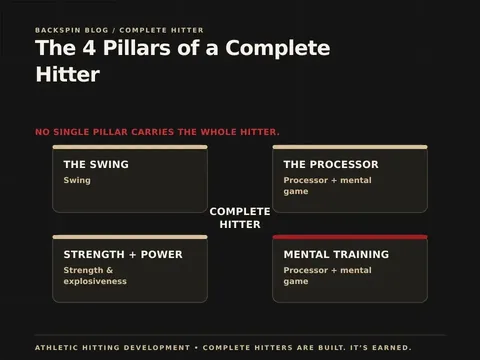
Why the swing, athletic development, mental training, and the hitting processor must work together.
READ ARTICLE →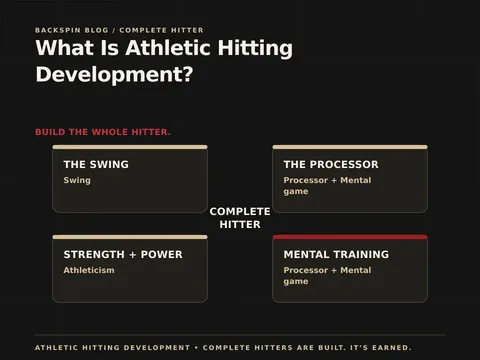
The AHD system explained: four pillars trained on purpose, then synced into one complete hitter.
READ ARTICLE →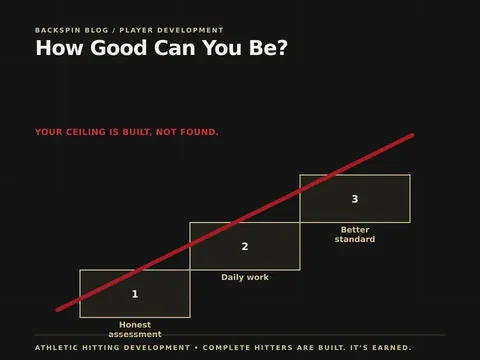
52 years of playing, coaching and scouting. Less than 1% of players max out. Here are the six things they do.
READ ARTICLE →Guarantee & Refunds · Privacy · Terms · Safety · Delete My Data