By BK, Athletic Hitting Development
Complete Hitters Are Built… It’s Earned!
Key takeaways
- To hit a curveball in softball, know it breaks sideways, away from a right-handed hitter when a righty throws it, then stay through the middle and drive it to the opposite field.
- The screwball breaks the other way: in on a right-handed hitter and away from a lefty when a right-hander throws it.
- Pitchers try to make both look like a fastball until release, so the hitter has to read spin and early flight, not wait for the break.
- Have a plan for each: stay through the middle on the curve; keep the hands inside the screwball, or turn on it when it hangs.
To hit a curveball in softball, know which way it breaks, read the spin early, and stay through the middle of the field so you can drive it the other way instead of rolling over it. Against a right-handed pitcher, the curve runs away from a right-handed hitter and the screwball runs in on her hands.
To hit a curveball in softball, gear your timing to the fastball, read the sideways spin early, stay through the middle and drive the curve to the opposite field. Against a screwball running in, keep the hands inside the ball, and turn on it when it hangs.
Train it: Off-Speed →I coached high school and college softball in Arizona and Texas for 30 years. The curve and the screwball beat more good hitters than velocity did, because those hitters didn’t know which way the ball was going.
Here’s how each pitch moves, what it looks like out of the hand, where to stand, and a plan for each one.
1. How does a curveball move in softball?
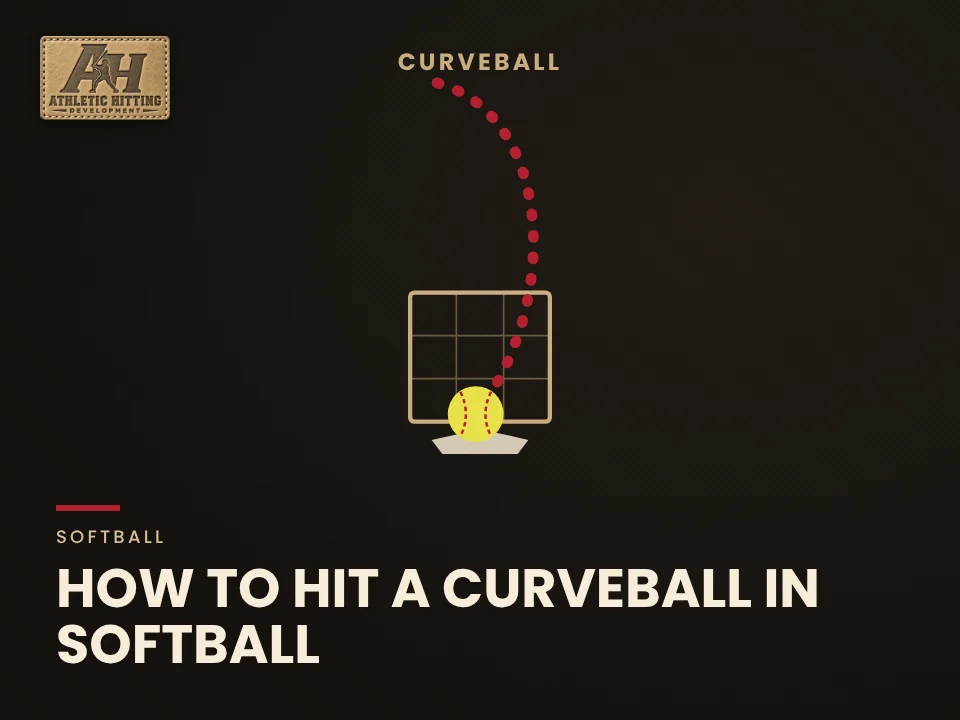
A fastpitch curveball is mostly a sideways pitch. Coming from a right-handed pitcher, it breaks outside to a right-handed hitter and in toward a left-handed hitter. It tends to be flatter than a baseball curve, though most still drop a little.
The screwball is the curve’s opposite. From a right-handed pitcher it breaks in on a right-handed hitter and away from a lefty. A left-handed pitcher flips both directions.
| Pitch (from a RHP) | Vs. right-handed hitter | Vs. left-handed hitter | What it’s trying to do |
|---|---|---|---|
| Curveball | Breaks away, off the outside corner | Breaks in toward her | Get a chase off the plate, or a “back-door” strike |
| Screwball | Breaks in, toward the hands | Breaks away from her | Jam the hitter or get a weak, long foul |
Pitching coaches describe two common curveball plans. One starts on the outer third and breaks off the plate as a chase pitch, often with two strikes. The other, the back-door curve, starts at the hitter so she bails out, then breaks back over the plate for a strike.
2. What does a softball curveball look like out of the hand?
Good pitchers want every pitch to look the same until the release. One pitching instructor puts it this way: “We want everything to look the same until the release point.” So the hitter’s job is to read what happens AT the release and in the first few feet of flight.
- Spin direction. A curve and a screwball both spin sideways, but in opposite directions. The fastball spin looks different from either.
- Hand and wrist at release. The curve is spun hard by the fingers with a quick wrist snap; the screwball comes from an inward turn of the wrist and forearm.
- Early flight line. A curve to a righty often starts on the plate and drifts out; a screwball often starts middle and runs in.
- Pitcher’s step. Some pitchers step slightly to one side of their normal line to throw breaking pitches; scout it in warm-ups.
None of that happens in a game unless it is trained. Reading spin is part of the Hitting Processor, and it gets better with daily eye work. Perceptual Training for Softball Hitters and Occlusion Training for Hitters show how to train it without swinging.
FROM A RIGHTY
CURVE GOES AWAY.SCREW COMES IN.
- Curve: away from a RHH
- Screw: in on a RHH
- Lefty pitcher flips both
- Read spin at release
KNOW WHICH WAY IT RUNS
3. Where should you stand against a curveball pitcher?
Plate position is a tool. Against a pitcher who lives on the curve away, a right-handed hitter can move a little closer to the plate so the outside break is still within reach of the barrel. Moving up in the box can also let her hit the curve before it finishes its break.
The catch: every move has a cost. Closer to the plate makes the screwball and inside fastball tougher. Up in the box gives her less time against the fastball. Make one small adjustment, see what the pitcher does, and adjust again.
Use the first inning to scout. Watch where the catcher sets up, which pitch she goes to when she’s ahead, and whether the curve starts on the plate or off it. By her second at-bat, a hitter should know what the pitcher trusts and where it ends up.
Whatever she does, she still sets up inside the batter’s box. Box basics and setup are in Softball Batting Stance.
4. How do you hit a curveball in softball?
Why do hitters roll over the curve? They see a pitch on the plate, open the front side early to pull it, and the ball keeps moving away from the barrel. The result is a weak ground ball to the left side or a swing and miss.
The curve away from a right-handed hitter is the pitch that turns good swings into rollovers. Here’s the plan I teach:
- Gear to the fastball, read the spin.Start on time for the fastball every pitch; recognize the curve early instead of guessing on it.
- Stay through the middle.Think middle of the field to opposite field, so the front shoulder and hips don’t fly open and pull off the pitch.
- Let it travel.Hit the curve a little deeper, closer to the plate, with the barrel working behind the hands.
- Drive it the other way.A right-handed hitter takes the curve away to right-center; a left-handed hitter can pull the curve that breaks in.
- Lay off the one that starts on the edge.If it starts on the outside corner, it’s likely breaking off the plate; take it unless she has two strikes and it’s close.
Going the other way is a skill in itself. How to Hit Opposite Field: Barrel Behind the Hands breaks it down. Timing the windmill comes first, though: see How to Time a Fastpitch Pitcher.
5. How do you hit a screwball in softball?
The screwball is about the hands. Against a right-handed pitcher, a right-handed hitter sees it look fat over the middle and then run in on her hands. She has two answers.
- Inside-out it. When it’s running in on the hands, keep the hands inside the ball and let the barrel stay behind them. Drive it to the middle or opposite side instead of pulling it foul.
- Turn on it. When it doesn’t break much and hangs middle-in, that’s a pitch to drive. Turn on it and pull it hard.
- Left-handed hitters. From a righty, the screwball runs away, so treat it like the curve: stay through the middle and go the other way.
- Two strikes. Shorten up and fight it off; the long foul is still a strike, so put it in play when you can. See Softball Two-Strike Approach.
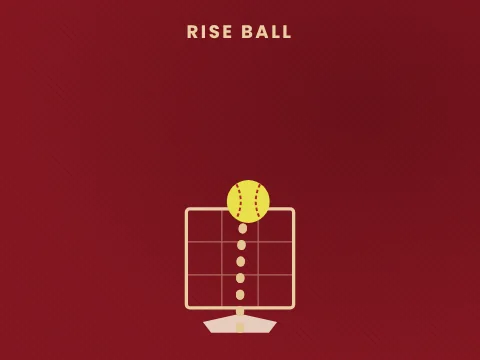
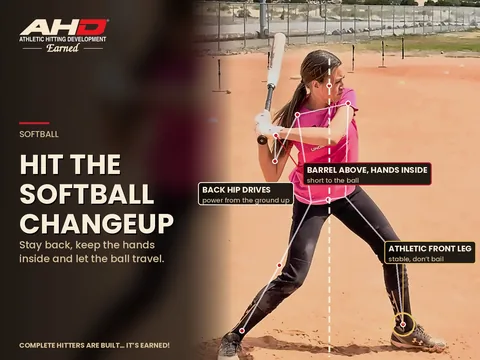
Softball pitchers mix movement in every direction. Pair this with How to Hit a Rise Ball, How to Hit a Drop Ball and How to Hit a Changeup in Softball. When the breaking ball comes with heat, see How to Hit Fast Pitching in Softball.
Hitters who handle movement have a swing that can adjust late. AHD hitters build Mechanically Advantaged Angles (MAA), which keep the barrel in the zone longer. Our Off-Speed course trains spin reading and late adjustment in short daily lessons. Run the free SwingChecker to find her top priority, and see Online Softball Hitting Lessons for fastpitch coaching.
THELESSON.
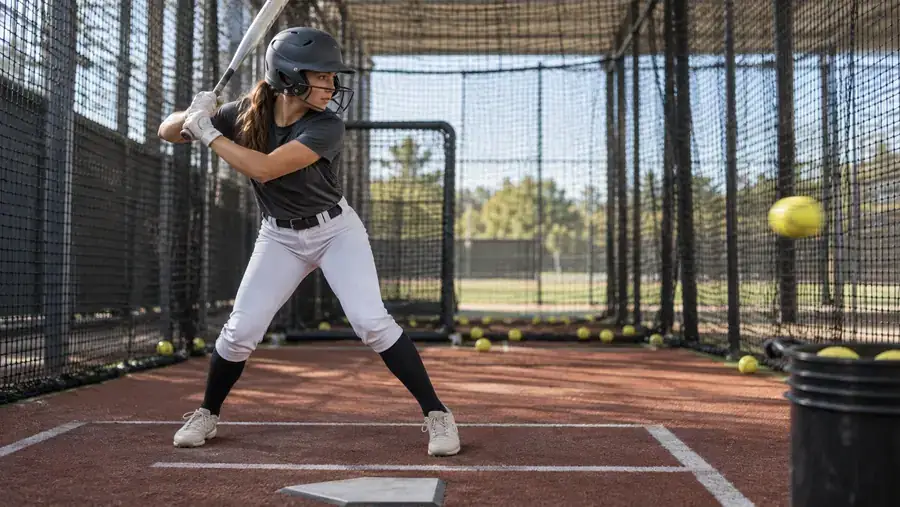
- Gear to the fastball
- Curve: middle to oppo
- Screw: hands inside
- Hanging screw: turn on it
Complete Hitters Are Built…Earned.
Want to go deeper? Read How to Hit a Rise Ball in Fastpitch Softball and How to Hit a Drop Ball in Fastpitch Softball.
Quick answers
Does a softball curveball break in or out?
From a right-handed pitcher, a curveball breaks away from a right-handed hitter and in toward a left-handed hitter. A left-handed pitcher’s curve breaks the opposite way.
What is the difference between a curveball and a screwball in softball?
They break in opposite directions. From a right-handed pitcher, the curve moves away from a right-handed hitter while the screwball moves in toward her hands.
Do softball curveballs drop like baseball curveballs?
Usually not as much. The fastpitch curve is mostly a sideways pitch and tends to be flatter, though many still drop a little.
How do you practice hitting curveballs in softball?
Track live bullpens to learn the spin, take front toss or machine work with sideways movement if available, and practice driving the outside pitch to the opposite field off a tee. Short, daily reps beat one long session.
Sources: Versus: Adding to the Arsenal with the Curveball & Screwball · Life in the Fastpitch Lane: Using the curve and screw effectively · SportsTrace: The Screwball in Softball
Don’t collect drills. Build a complete hitter.
Complete Hitters Are Built… It’s Earned!
This article is part of the AHD guide Pitch Recognition & Timing. Start there for the full picture and every related article.