By BK, Athletic Hitting Development
Complete Hitters Aren’t Born. They’re Built… and Earned.
Key takeaways
- To hit a sweeper, be on time for the fastball, read the sideways tilt early, let the one sweeping off the plate go, and attack the one that hangs.
- A sweeper breaks across the plate much more than a traditional slider, and it’s usually a little slower, so it wins with width, not deception.
- Hold your zone. Chasing a ball that is sweeping off your barrel is how sweepers get outs.
- Hanger means go. A sweeper that stays up or backs into the middle is a mistake, so take your best, clean, aggressive swing.
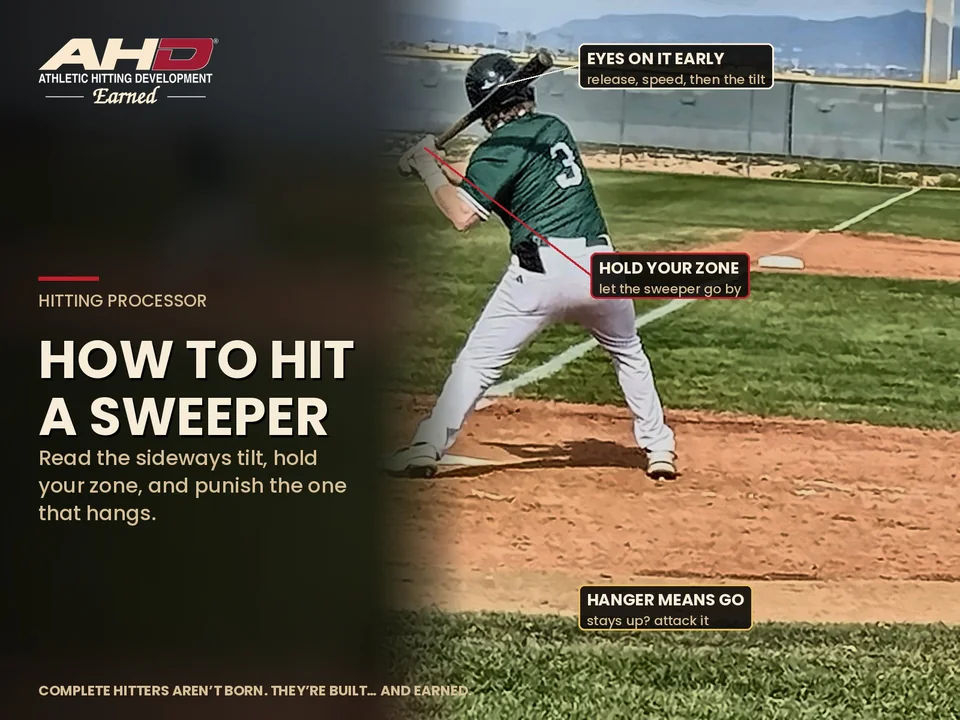
To hit a sweeper, a hitter stays on time for the fastball, reads the sideways tilt out of the hand, lets the one sweeping off the plate go, and attacks the one that hangs over the middle. The sweeper gets outs by pulling hitters off their zone, so the decision matters more than the swing.
To hit a sweeper, stay on time for the fastball, read the sideways tilt early, and let the one sweeping off the plate go. When a sweeper hangs up or backs over the middle, attack it with a full, aggressive swing.
Train it: Off-Speed / Spin → Free tool: Spin Read Test →More and more pitchers are learning this pitch. Pitchers love it because it’s a big, wide breaking ball that makes good hitters look silly when they chase it. But it’s also a pitch that hangs, and a hanging sweeper is one of the best pitches a hitter will see all day.
As I tell my hitters: not every breaking ball is a take. The hanger is the pitch you’ve been waiting for. Here’s how to tell the difference.
1. What is a sweeper pitch, and how is it different from a slider?
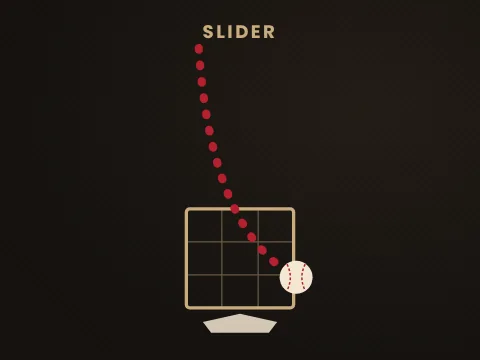
A sweeper is a slider with a lot more side-to-side break. According to MLB, the average slider breaks about six inches horizontally while the average sweeper breaks about 15. It’s usually thrown a little slower than a traditional slider, which gives it more time to sweep across the zone.
It became its own pitch type in MLB’s Statcast tracking in 2023. Some pitchers throw both: a harder, tighter slider and a slower, wider sweeper.
| Slider | Sweeper | |
|---|---|---|
| Break | Short and late, tighter | Big, sideways, across the plate |
| Speed | Harder, closer to the fastball | Usually a little slower |
| How it wins | Looks like a fastball, then darts | Width: pulls the hitter off the zone |
That last row is the key for hitters. The slider tries to fool you. The sweeper tries to pull you, out over the plate and off your zone. If you want the slider breakdown, read How to Hit a Slider.
2. How do you recognize a sweeper out of the hand?
Early eyes create late decisions. Get your eyes to the release point early, then let the ball tell you three things in order: speed, height, then shape.
READ THE SWEEPER
SPEED.HEIGHT. SHAPE.
- Eyes on release, early
- Slower than the heater
- Sideways tilt
- Keeps bending across the plate
EARLY EYES, LATE DECISIONS
- Sideways tilt. You don’t need to decode the spin. A ball that looks like it’s spinning sideways is your first clue.
- Slower than the heater. It comes out a touch softer than his fastball, so it gives you a beat to read it.
- It starts on one side and keeps going. The path bends across the plate instead of staying on the fastball line.
- The count and the pitcher. Know when he likes it: ahead in the count, two strikes, or as his put-away pitch to same-side hitters.
Recognition is a Hitting Processor skill: see it, time it, decide, attack it. It gets better with daily reps, not by guessing at the plate. How to Read a Pitcher’s Release covers the first step.
3. How do you stop chasing sweepers off the plate?
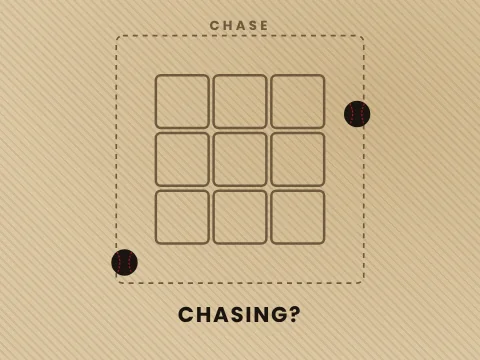
Hold the zone. Don’t chase the ball off your barrel.
To a same-side hitter, a good sweeper starts looking like a strike and finishes off the outside corner. A hitter who commits early is reaching for it with his arms, out on his front foot, with nothing left. That’s a swing and miss or a weak roll-over.
Watch the hitter who chases sweepers and you’ll usually see the same thing: he decided to swing while the ball was still on the fastball line. By the time it bent, his body was already gone. That isn’t a swing problem. It’s a commitment problem, and it gets fixed by training the eyes and staying loose long enough to use what they see.
The fix is decision first, swing second. Your decision depends on where the ball will be and when it gets there, not on what it’s called. Where? When? Go or no-go?
- Know your outer edgeDecide before the at-bat where your zone ends. A sweeper that starts on that edge will finish off it.
- Stay relaxed and athleticA tight body commits early. A relaxed one can still say no when the ball keeps sweeping.
- Call it out loud in practiceA good take is evidence of a good decision. Train takes so the no-swing is automatic in games.
With two strikes, widen your battle zone a little, but keep your chase line. The full plan is in Two Strike Approach: How to Battle.
4. When should a hitter swing at a sweeper?
When it hangs. A sweeper that stays up, or backs into the middle of the plate instead of sweeping away, is a mistake. Recognize it and take your best, clean, aggressive swing. Don’t guide it.
Don’t let a pitcher’s good sweeper scare you off the bad one. Hitters who get beat by it once often start taking every breaking ball, and that’s a win for the pitcher too. Stay aggressive. Your job is to sort them, not to fear them.
To an opposite-side hitter, the sweeper moves back toward him and often finishes over the plate. That’s a pitch to drive. The hitter who stays closed and lets it travel can hit it hard the other way or up the middle.
Heater or hanger. Be ready for both.
This is where Mechanically Advantaged Angles (MAA) matter. AHD hitters build angles that hold up when the timing changes, so the swing that’s on time for the heater is the same swing that waits on the hanging sweeper and does damage. That’s aggressive and athletic: patient with the good one, violent on the mistake.
5. What drills help a hitter hit a sweeper?
You can’t learn to hit a sweeper against straight batting practice. The eyes need to see sideways movement, often.
- Read without swingingWatch video of pitchers throwing sweepers and call it go or no-go before the ball crosses. Score it.
- Wiffle ball for widthA wiffle ball thrown sidearm sweeps across the zone and trains the eyes cheaply. See Bring Back Wiffle Ball.
- Mixed machine or front tossMix fastballs with breaking balls at random and reward good takes as much as hard contact.
- Hanger roundsFeed breaking balls that stay over the middle and demand a full-intent swing every time.

THELESSON.
- On time for the heater
- Read the tilt early
- Let the good one go
- Hanger means go
Complete Hitters Are Built…Earned.
Five focused minutes a day beats an hour once a week. Start with the free SwingChecker™ to see your hitter’s top priorities, then try the free first Off-Speed lesson.
Want to go deeper? Read How to Hit a Slider: Read the Spin, Cover the Plate, Lay Off the Chase and Why Your Kid Swings at Bad Pitches (and How to Fix It).
Quick answers
What is a sweeper in baseball?
A sweeper is a slider with much more horizontal break. MLB says the average sweeper breaks about 15 inches across the plate, compared with about six for a traditional slider, and it is usually a little slower.
Is a sweeper harder to hit than a slider?
It is hard to square up because it moves so far sideways, which leads to chases and weak contact. But it is slower and wider, so a hitter who reads it early can lay off the good one and attack the one that hangs.
How do you stop chasing sweepers?
Know where your zone ends before the at-bat, stay relaxed and athletic so you don't commit early, and train takes in practice. A sweeper that starts on your outer edge will finish off the plate.
Do high school pitchers throw sweepers?
Some do, and hitters see more of them every level they move up. Hitters who train against sideways movement before they see it in a game are ahead of the ones seeing it for the first time at the plate.
Sources: MLB Glossary: Sweeper (ST)
Don’t collect drills. Build a complete hitter.
Complete Hitters Aren’t Born. They’re Built… and Earned.